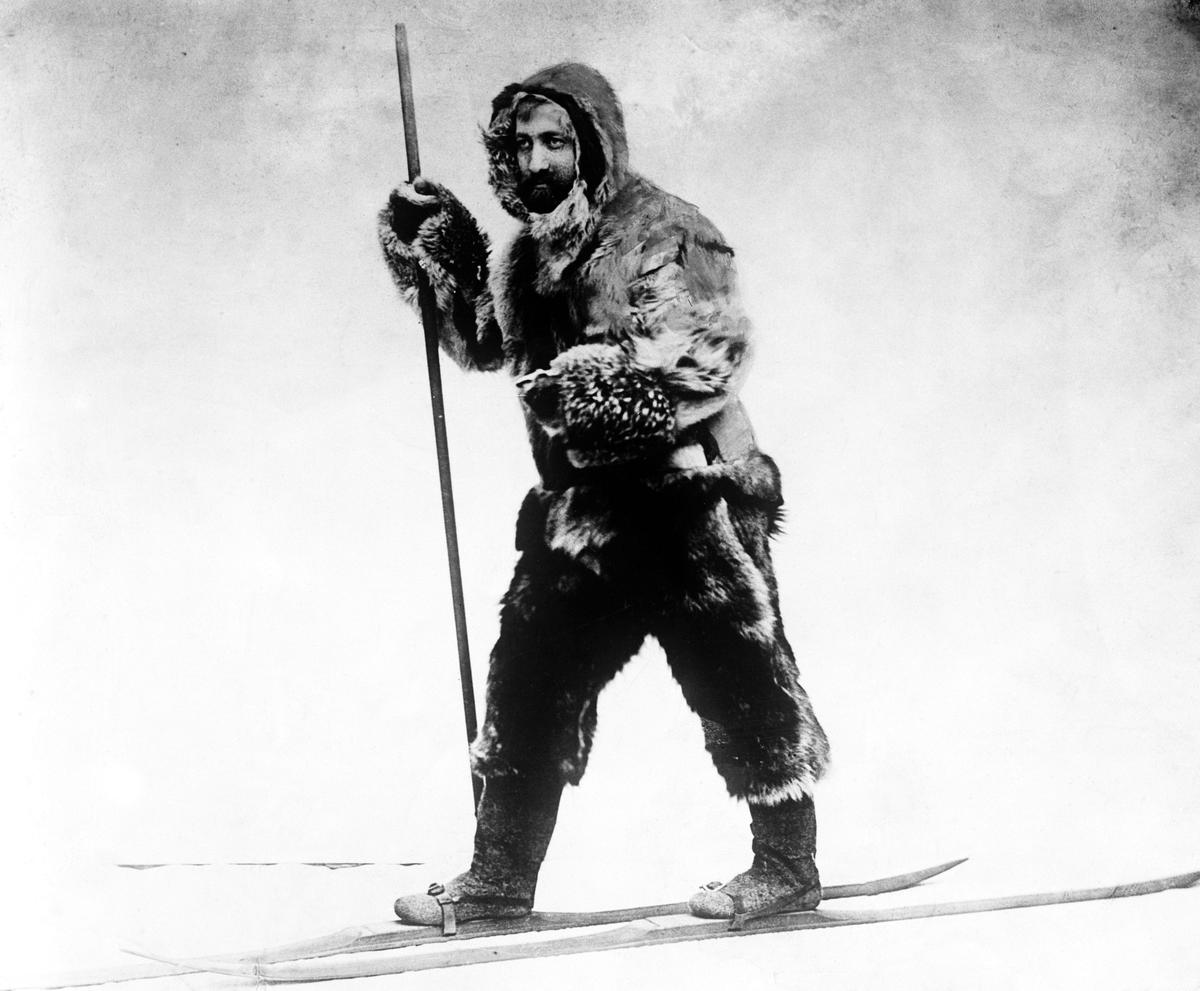
He Said He Discovered the North Pole—Then His Rival Literally Buried the Proof Under a Rock. Did Both Men Lie?
Why It Matters
The dispute highlights how limited navigation technology and personal ambition can shape historical narratives, influencing national prestige and the legacy of exploration. It also underscores the fragility of Arctic routes as climate change threatens the very ice that once made such feats possible.
Key Takeaways
- •Peary claimed North Pole in April 1909
- •Cook asserted earlier claim, April 1908
- •Cook’s sextant and journals buried, never recovered
- •Modern analyses doubt both explorers reached exact pole
- •Arctic ice loss may end foot expeditions
Pulse Analysis
The Peary‑Henson versus Cook controversy is more than a footnote in exploration history; it reflects the era’s fierce competition for national glory and scientific validation. Both expeditions relied on rudimentary sextants, dead‑reckoning, and relay teams, leaving room for error that modern GPS would later eliminate. When Cook’s alleged proof vanished under a Greenland rock, the narrative tilted in Peary’s favor, reinforced by a National Geographic endorsement and a congressional vote, despite lingering doubts among a minority of lawmakers and scholars.
Contemporary scholars revisit the claims with satellite imagery, ice‑drift models, and archival research, concluding that neither party likely stood precisely at 90° N. Studies from the 1980s to the early 2000s estimate Peary’s final position fell 30‑60 miles short, while Cook’s own ambiguous statements admit uncertainty. This reassessment illustrates how historical myths can persist when primary evidence is scarce, prompting a broader conversation about how we verify extraordinary achievements in the absence of modern instrumentation.
Beyond the historical intrigue, the story resonates amid accelerating Arctic change. NASA data show the region’s ice thickness has thinned by roughly 5.75 feet over the past three decades, making traditional foot‑based pole attempts increasingly hazardous and perhaps impossible. The legacy of Peary, Henson, and Cook therefore serves as a cautionary tale: the heroic age of polar foot travel may be ending, while contemporary explorers must rely on satellite navigation, climate modeling, and international cooperation to safely study a rapidly transforming Arctic frontier.
He Said He Discovered the North Pole—Then His Rival Literally Buried the Proof Under a Rock. Did Both Men Lie?
Comments
Want to join the conversation?
Loading comments...