Here’s How Your Granddaddy Foraged for Nuts, Berries, and Fruits to Live Off the Land
Why It Matters
Foraging converts free, natural resources into value‑added food products, reducing grocery costs and showcasing a low‑tech, sustainable supply chain that appeals to niche culinary markets.
Key Takeaways
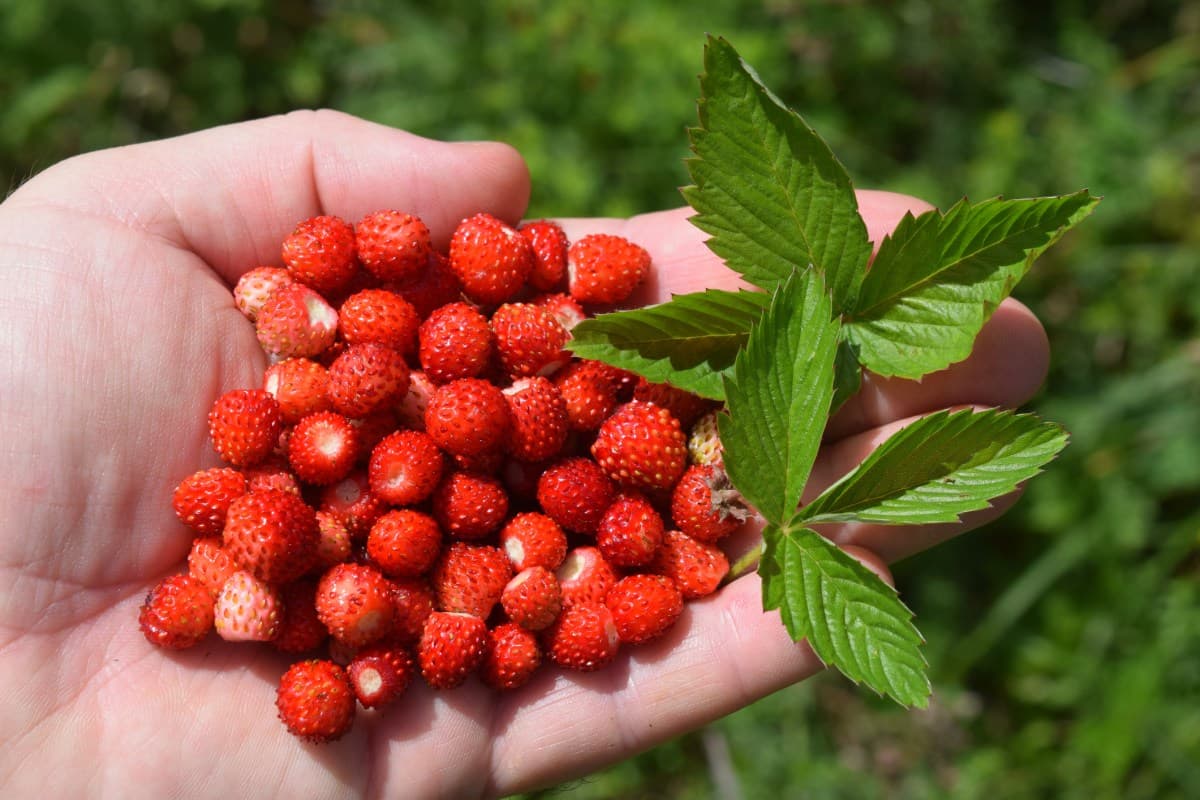
- •Harvests 3‑4 gallons wild strawberries yearly, double in good years.
- •Home winemaking allowed up to 200 gallons tax‑free per IRS.
- •Simple tools—plastic bins, cheesecloth—enable small‑batch wine production.
- •Family foraging teaches children nature skills and food sustainability.
- •Black walnuts and hickory nuts store well frozen for years.
Pulse Analysis
Foraging for wild fruits, nuts, and berries has moved from a hobbyist pastime to a modest economic opportunity for families seeking self‑sufficiency. In the Midwest, abundant species such as wild strawberries, black raspberries, persimmons, and pawpaws can be harvested with minimal gear—often just a bucket and a pair of gloves. By converting these raw ingredients into jams, jellies, and wines, outdoor enthusiasts add measurable value; a single season’s strawberry harvest can yield several gallons of pulp, enough for multiple preserves and a small batch of wine. This low‑cost, high‑yield approach resonates with consumers increasingly interested in farm‑to‑table authenticity and traceable food sources.
The article also highlights the regulatory framework governing home‑made alcohol. Under IRS guidelines, a household may produce up to 200 gallons of wine annually without incurring excise taxes, provided the maker registers with the Treasury Department. While the tax exemption encourages small‑scale production, the law strictly limits distribution to immediate family, preventing commercial exploitation. This balance allows hobbyists to experiment with traditional fermentation techniques—using plastic garbage cans, cheesecloth, and natural yeasts—while maintaining compliance. The simplicity of the equipment lowers entry barriers, making artisanal winemaking accessible to a broader audience.
Beyond personal consumption, the foraged food niche presents growth potential for specialty markets. Artisanal jams, nut‑based confections, and limited‑edition fruit wines can command premium prices at farmers’ markets and boutique retailers, especially when marketed with a story of sustainable harvest and family tradition. Moreover, involving children in the foraging process cultivates environmental stewardship and culinary curiosity, aligning with broader educational trends. As consumers seek transparent, locally sourced products, the modest practices described in the Outdoor Life piece illustrate how traditional knowledge can intersect with modern market demand, creating a modest yet meaningful revenue stream for dedicated foragers.
Here’s How Your Granddaddy Foraged for Nuts, Berries, and Fruits to Live Off the Land
Comments
Want to join the conversation?
Loading comments...