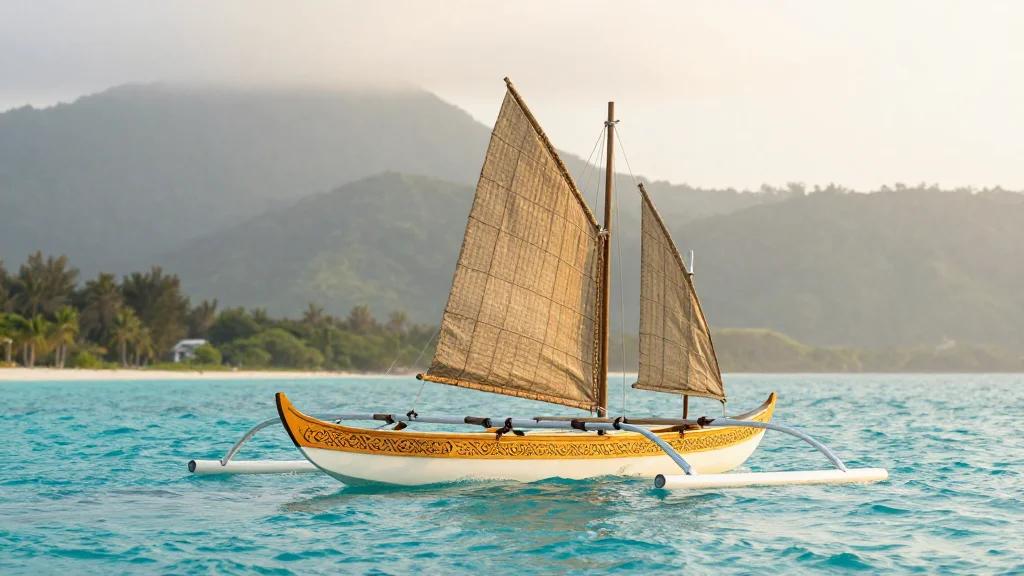
Hōkūle‘a Sets Sail for Taiwan in 2027, Marking Its 50th Anniversary

Why It Matters
The 2027 Hōkūle‘a expedition underscores a growing trend in the outdoors sector: heritage‑driven adventure travel that blends cultural preservation with environmental education. By linking Hawaiian and Taiwanese Indigenous peoples, the voyage showcases how traditional navigation can inform modern sustainability dialogues, potentially inspiring similar cross‑cultural projects across the Pacific. Moreover, the high‑profile nature of the trip is likely to boost eco‑tourism in both regions, drawing attention to the need for protecting marine ecosystems that have sustained voyaging cultures for millennia. For outdoor enthusiasts, the expedition offers a tangible example of how deep‑rooted cultural practices can be re‑imagined for contemporary audiences. It also highlights the role of nonprofit organizations like the Polynesian Voyaging Society in driving large‑scale, community‑focused outdoor initiatives that go beyond recreation to shape identity, education, and policy.
Key Takeaways
- •Hōkūle‘a will embark on a 2027 double‑hull canoe voyage to Taiwan, marking its 50th anniversary.
- •The original 1976 crossing covered ~2,300 miles from Maui to Tahiti and sparked the Hawaiian Renaissance.
- •Crew members lived in shipping containers and cut koa trees for the canoe’s construction, reflecting deep dedication.
- •The upcoming trip partners with Taiwan’s Indigenous Amis tribe to exchange navigation knowledge and cultural heritage.
- •Veteran navigator Nainoa Thompson and new sailors will lead the expedition, emphasizing sustainability and education.
Pulse Analysis
The announcement of Hōkūle‘a’s 2027 Taiwan voyage signals a maturation of heritage‑focused outdoor programming. While adventure travel has long capitalized on exotic locales, this expedition places cultural authenticity at the forefront, positioning the Polynesian Voyaging Society as a model for nonprofit-led, community‑centric expeditions. Historically, the 1976 crossing proved that Indigenous knowledge could challenge mainstream narratives about Pacific settlement; the new voyage extends that narrative into a diplomatic arena, forging ties between two Indigenous groups separated by political borders but united by oceanic heritage.
From a market perspective, the trip could catalyze a niche segment of heritage eco‑tourism, attracting travelers who seek immersive experiences rooted in tradition rather than conventional sightseeing. This aligns with broader consumer shifts toward purpose‑driven travel, where participants value cultural exchange and environmental stewardship. Companies in the outdoor gear and apparel space may see opportunities to sponsor or co‑brand products that honor traditional craftsmanship, such as koa‑wood accessories or navigation‑inspired designs.
Looking ahead, the success of the Taiwan leg could inspire a series of similar voyages linking Pacific Island nations, creating a network of cultural waypoints that reinforce Indigenous maritime knowledge. Such a network would not only preserve intangible heritage but also provide a platform for collaborative marine conservation initiatives, leveraging the shared stewardship ethos of the participating communities. The challenge will be balancing the romantic allure of the voyage with the logistical realities of modern maritime regulations, funding, and climate‑related uncertainties that increasingly affect Pacific navigation routes.
Hōkūle‘a Sets Sail for Taiwan in 2027, Marking Its 50th Anniversary
Comments
Want to join the conversation?
Loading comments...