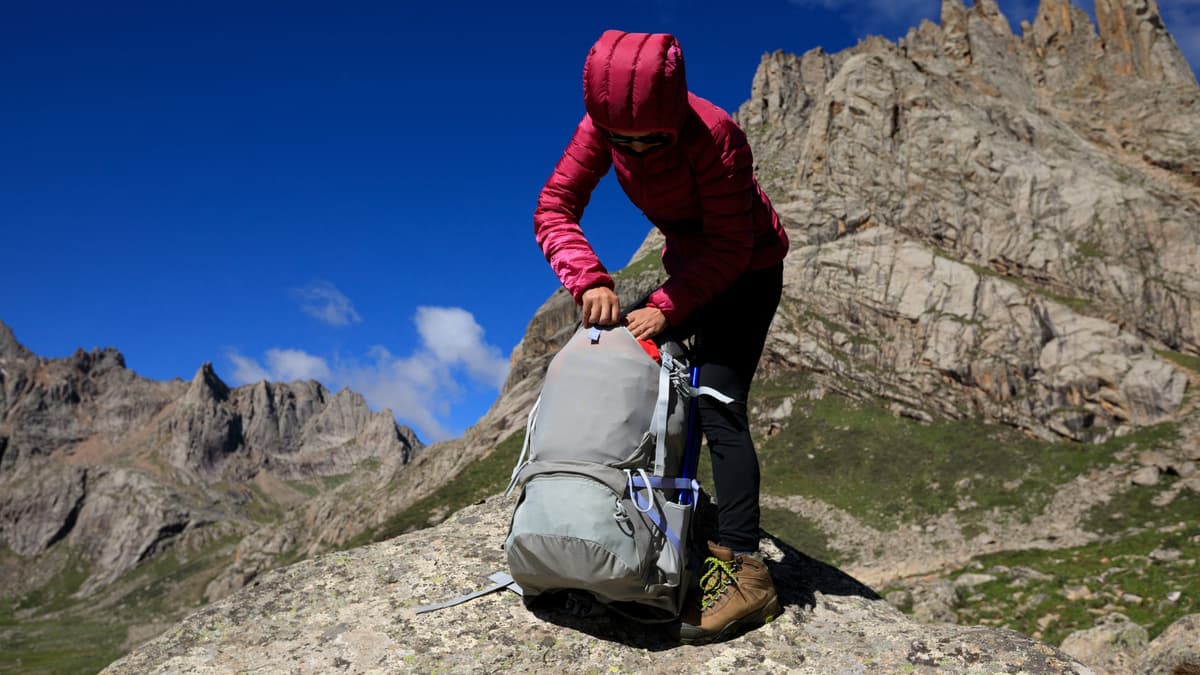
How to Pack for Efficiency, According to a Thru-Hiker
Why It Matters
Efficient pack organization reduces fatigue, improves safety, and lets thru‑hikers cover more ground each day, a critical edge in a sport where every mile counts.
Key Takeaways
- •Store tent and sleeping pad at pack base for balance
- •Keep high‑use items in external mesh or hip‑belt pockets
- •Place heavy food bag near back for optimal weight distribution
- •Leave rain jacket and fleece in top lid for quick access
- •Pull daily snacks each morning, store them outside main food bag
Pulse Analysis
Thru‑hiking has surged in popularity, with more adventurers tackling multi‑week trails like the Colorado Trail or the Pacific Crest. As mileage climbs, hikers quickly discover that a poorly organized pack can sap energy, extend breaks, and even jeopardize safety when weather turns. Efficient pack layout isn’t just about comfort; it directly influences daily mileage, hydration frequency, and the ability to respond to sudden storms. By treating the backpack as a modular system, hikers can shave minutes off each stop, turning those saved minutes into extra miles or valuable rest.
The core of the recommended system is a clear hierarchy: bulk shelter gear goes to the bottom of the main compartment, creating a stable base and freeing space for the heaviest items. Food bags, which often carry the most weight, sit near the spine for optimal balance, while toiletries, electronics, and spare layers fill the gaps above. External mesh pockets, hip‑belt compartments, and top lids become the go‑to zones for water filters, blister kits, snacks, and a rain jacket. This arrangement ensures that high‑use items are reachable without opening the main compartment, keeping the pack sealed against rain and reducing the temptation to dig through gear mid‑day.
Manufacturers have taken note, offering ultralight packs with dedicated “brain” lids, stretch‑mesh side pockets, and modular attachment points that align with these efficiency principles. For newcomers, adopting this packing philosophy early can shorten the learning curve and prevent the common pitfall of over‑packing. Ultimately, a well‑organized pack translates to smoother logistics, lower fatigue, and a more immersive trail experience—key advantages for anyone aiming to push their limits on long‑distance treks.
How to Pack for Efficiency, According to a Thru-Hiker
Comments
Want to join the conversation?
Loading comments...