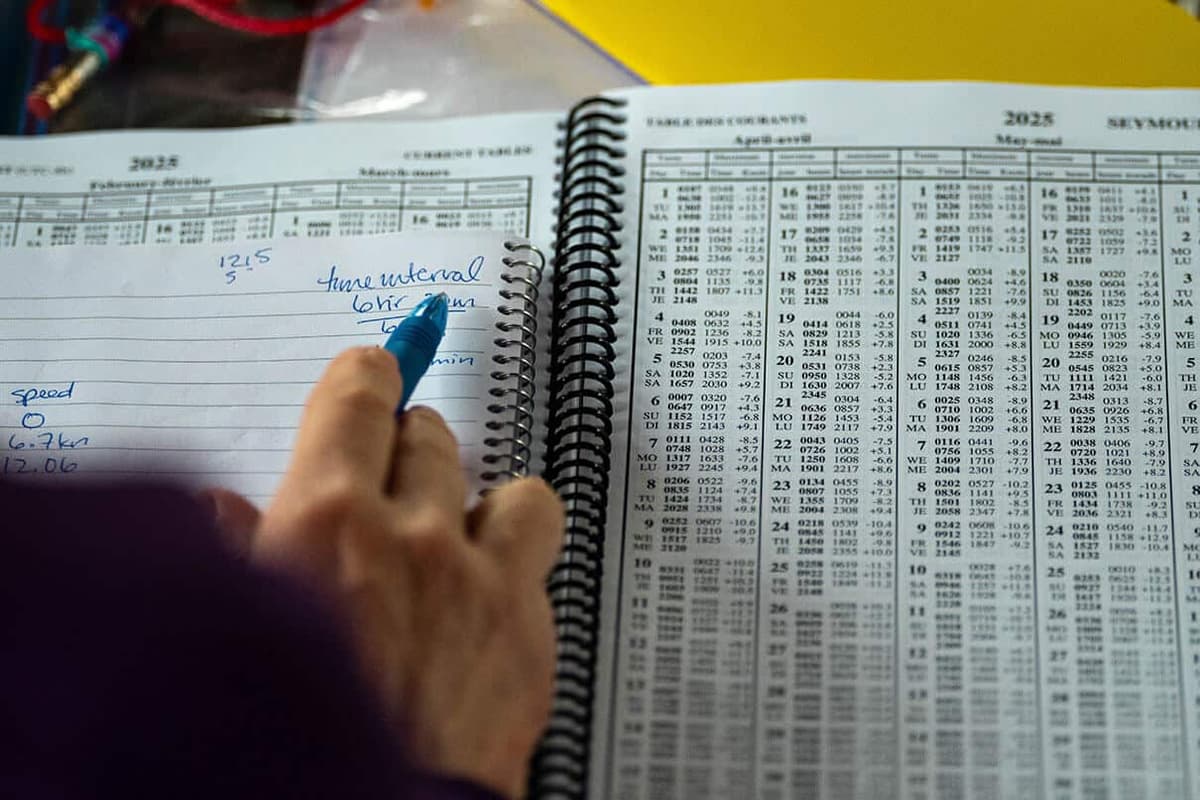
Why It Matters
Understanding and correctly using tide tables is essential for coastal paddlers to ensure safety, protect equipment, and optimize trip timing, directly impacting the growing adventure tourism market.
Key Takeaways
- •Tidal range can shift shorelines by several meters in minutes
- •Accurate tide tables prevent gear loss and unsafe campsite flooding
- •High tides boost currents, affecting kayak speed and route planning
- •Natural markers like driftwood help verify predicted water levels
Pulse Analysis
Coastal paddlers increasingly rely on tide tables to transform raw astronomical data into actionable trip plans. A tide table translates the moon‑sun gravitational dance into predicted water heights for a specific station, allowing kayakers to schedule launches, camp relocations, and rest stops with confidence. Modern tools—from NOAA’s free online predictions to smartphone apps—provide real‑time updates, but the core skill remains interpreting the rise‑and‑fall cycles and their impact on horizontal water movement, known as tidal currents, which can dramatically alter paddling speed and effort.
The science behind tides is simple yet powerful: the combined pull of the moon and sun, modulated by Earth’s rotation, creates bulges that travel around the globe. In regions like British Columbia, the tidal range can swing from a foot to over thirteen feet, reshaping beaches within hours. Understanding this range helps paddlers anticipate how far water will encroach on low‑lying campsites or expose hidden rocks. By cross‑referencing predicted heights with on‑site indicators—such as driftwood lines, wet sand, or kelp deposits—adventurers can validate forecasts and adjust routes on the fly, reducing the risk of unexpected inundation.
For guide operators and adventure‑tourism businesses, mastering tide tables translates directly into operational efficiency and client safety. Accurate timing minimizes daylight paddling in hazardous conditions, cuts gear loss, and enhances the overall experience, fostering repeat business and positive reviews. Moreover, as climate change subtly shifts sea‑level baselines and storm patterns, staying current on tidal data becomes a competitive advantage, enabling operators to adapt itineraries and maintain safety standards in a dynamic coastal environment.
How To Read A Tide Table
Comments
Want to join the conversation?
Loading comments...