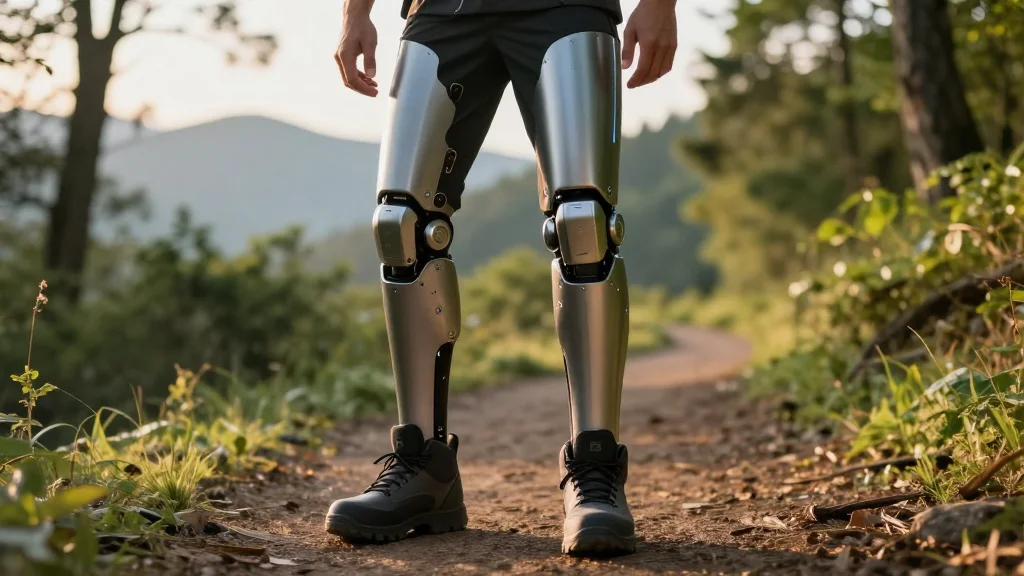
Hypershell Unveils AI‑Powered X Series Exoskeletons for Hikers, Starting at $999

Why It Matters
The introduction of AI‑assisted exoskeletons at consumer price points could democratize mobility assistance for a growing demographic of older hikers and outdoor workers, extending the functional lifespan of recreational activities. By reducing metabolic strain, the technology may also enable longer, more challenging routes, reshaping how trail designers and park managers think about accessibility. If HyperLIFT’s field tests demonstrate reliable performance in rescue scenarios, the X Series could become a critical tool for SAR teams, potentially lowering response times and reducing physical injury risk for responders. Successful integration would signal a broader shift toward wearable robotics in public safety, prompting regulators and insurers to develop new standards for liability and certification.
Key Takeaways
- •Hypershell launches three AI‑powered exoskeleton models for hikers, priced $999‑$1,999.
- •HyperIntuition software achieves 97.5% gait synchronization with 0.31‑second response time.
- •Ultra S model delivers up to 1,000 W power, 22 Nm torque and 30 km range per charge.
- •HyperLIFT program will test exoskeletons with over 50 search‑and‑rescue organizations.
- •Devices feature IP54 protection, foldable design and weigh under 2 kg for portable use.
Pulse Analysis
Hypershell’s X Series arrives at a moment when the outdoor gear market is seeking differentiation beyond material upgrades and incremental design tweaks. Historically, powered exoskeletons have been confined to industrial or medical niches, with price tags well above $10,000 and form factors unsuitable for backcountry travel. By compressing the hardware into a sub‑2 kg package and pricing it below $2,000, Hypershell is effectively creating a new consumer tier that blends performance with affordability.
The AI component—HyperIntuition—addresses a long‑standing criticism of earlier exoskeletons: the lag between user intent and machine assistance. A 0.31‑second latency puts the system in the same response window as human reflexes, which could be the decisive factor for adoption among serious hikers who cannot afford a noticeable delay. Competitors such as Ekso Bionics and Sarcos have announced plans for outdoor‑focused models, but none have yet paired AI‑level prediction with a price point that appeals to the mass market. This gives Hypershell a first‑mover advantage that could translate into brand loyalty and data collection for future software refinements.
The HyperLIFT field‑test initiative also signals a strategic pivot toward institutional customers. Successful SAR deployments would provide real‑world validation, opening doors to government contracts and insurance‑backed procurement. However, the technology’s durability under extreme weather, battery reliability on multi‑day missions, and regulatory approval for safety-critical use remain open questions. If Hypershell can navigate these hurdles, the X Series could catalyze a broader ecosystem of AI‑enhanced outdoor equipment, from smart boots to autonomous navigation aids, reshaping the definition of ‘self‑sufficiency’ on the trail.
Hypershell Unveils AI‑Powered X Series Exoskeletons for Hikers, Starting at $999
Comments
Want to join the conversation?
Loading comments...