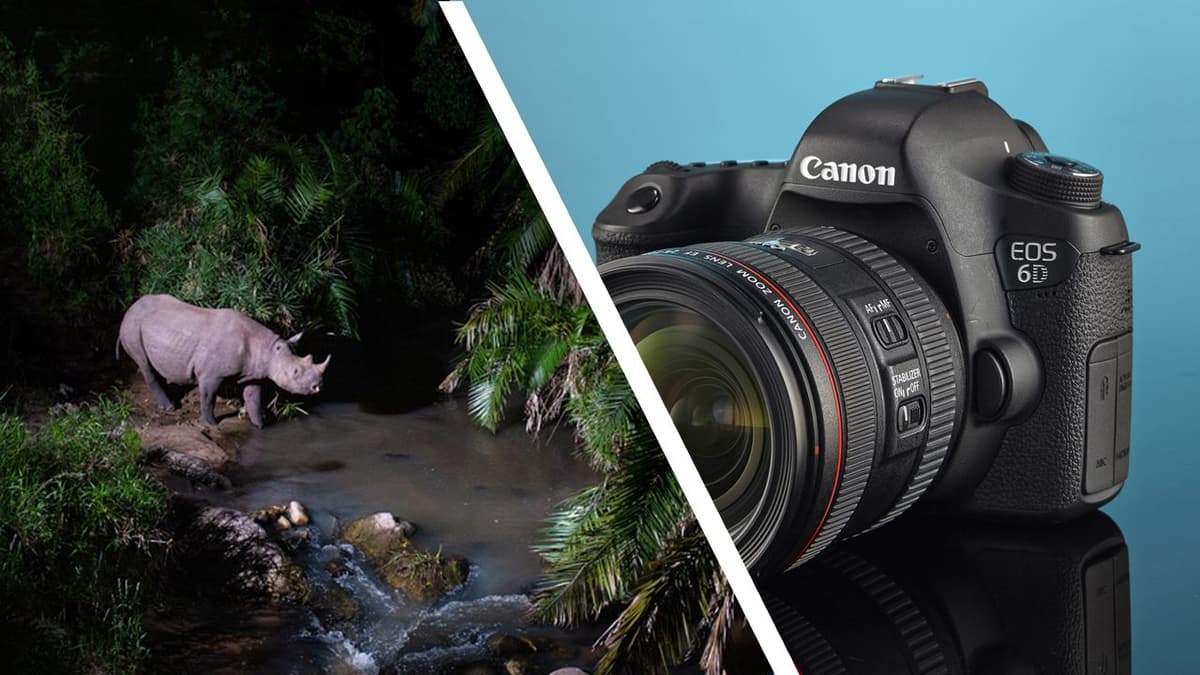
'I Snap Them Up' — Award-Winning Wildlife Photographer Explains Why He Collects Second-Hand DSLRs for His Unique 'Camtraptions' Devices, and Why They Are a Better Choice over Modern Mirrorless Cameras

Why It Matters
The approach demonstrates that cost‑effective, second‑hand DSLRs can outperform expensive mirrorless models in specialized wildlife monitoring, reshaping equipment choices for conservation photography and expanding the market for refurbished gear.
Key Takeaways
- •DSLR camera traps cost about $400, far cheaper than mirrorless
- •EOS 6D’s flash compatibility outperforms many modern mirrorless models
- •Affordable second‑hand DSLRs enable large‑scale, long‑term wildlife monitoring
- •Fixed focus setup reduces need for high‑speed autofocus bursts
- •Burrard‑Lucas’s system boosts sustainability by repurposing older gear
Pulse Analysis
Camera traps have become indispensable tools for wildlife researchers and conservationists, allowing continuous observation without human presence. Will Burrard‑Lucas’s recent award‑winning series highlights how a modest, self‑engineered system can generate high‑resolution data across months, feeding critical insights to park rangers in the Masai Mara. By pairing a motion sensor with a legacy Canon EOS 6D, he sidesteps the premium price tags of current mirrorless cameras while still delivering professional‑grade images that meet scientific standards.
The technical edge of older DSLRs lies in their flash synchronization speed and battery endurance—two factors that mirrorless models often struggle with in harsh, low‑light environments. The EOS 6D’s full‑frame sensor delivers clean noise performance at high ISO, and its robust shutter mechanism tolerates the repeated trigger cycles of camera traps. Moreover, the $400 price point makes it feasible to deploy dozens of units, spreading risk and covering larger territories without inflating budgets. Fixed‑focus composition further reduces the need for rapid autofocus, aligning perfectly with the predetermined framing strategy of trap setups.
Burrard‑Lucas’s methodology signals a broader shift toward sustainable, circular use of photographic equipment. The growing demand for second‑hand DSLRs fuels a secondary market that benefits both hobbyists looking for affordable gear and professionals seeking reliable field tools. Manufacturers may respond by offering retro‑compatible accessories or dedicated trap‑ready models, while conservation groups can leverage lower costs to expand monitoring programs. Ultimately, this blend of affordability, durability, and performance redefines best practices for wildlife imaging in the digital age.
'I snap them up' — award-winning wildlife photographer explains why he collects second-hand DSLRs for his unique 'Camtraptions' devices, and why they are a better choice over modern mirrorless cameras
Comments
Want to join the conversation?
Loading comments...