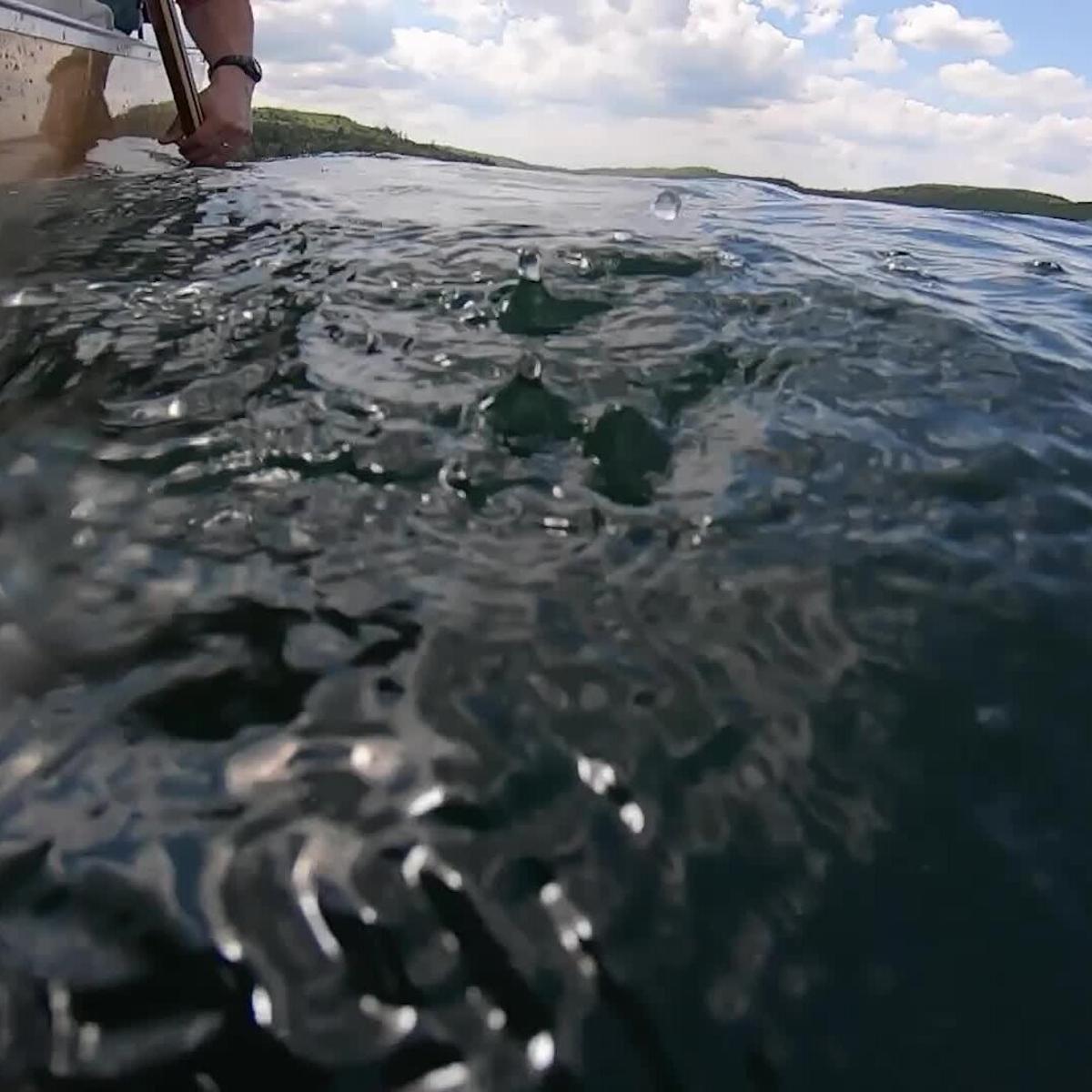
Immaculate Wilderness, Uncertain Future: Paddling the Boundary Waters
Why It Matters
The mine’s potential pollution endangers a nationally treasured ecosystem and the tourism revenue that supports local communities, making its approval a pivotal environmental and economic decision.
Key Takeaways
- •Over 1,100 lakes span 1.1 million acres of pristine wilderness
- •Proposed copper‑nickel mine sits in Rainy River watershed
- •Mining could release sulfuric acid, threatening water quality
- •Local guides rely on permits for seasonal tourism income
- •Conservation groups urge stricter review to protect ecosystem
Pulse Analysis
The Boundary Waters Canoe Area Wilderness is more than a scenic backdrop; it is a cornerstone of Minnesota’s outdoor economy. Each summer, hundreds of thousands of paddlers, anglers, and hikers flock to its 1.1‑million‑acre expanse, generating significant spending on permits, lodging, and local services. The region’s clear lakes and old‑growth pine forests also serve as a living laboratory for ecological research, reinforcing its value beyond recreation.
At the heart of the controversy is a proposed copper‑nickel mine targeting the Rainy River watershed, which drains directly into the Boundary Waters. Critics point to the mine’s by‑product—sulfuric acid—as a severe threat that could leach into waterways, altering pH levels and harming aquatic life. While proponents argue the project would create jobs and boost tax revenue, the permitting process faces heightened scrutiny from the U.S. Forest Service and the Environmental Protection Agency, reflecting a broader national debate over resource extraction versus conservation.
The outcome will reverberate across multiple stakeholder groups. Indigenous communities, who hold treaty rights to the water, fear cultural and subsistence impacts. Conservation NGOs are mobilizing legal challenges and public campaigns to demand stricter environmental safeguards. Meanwhile, local businesses dependent on wilderness tourism watch anxiously, aware that any degradation could diminish visitor numbers and long‑term economic stability. The decision on this mine will thus shape not only the future of a cherished wilderness but also the balance between economic development and environmental stewardship in the Upper Midwest.
Immaculate Wilderness, Uncertain Future: Paddling the Boundary Waters
Comments
Want to join the conversation?
Loading comments...