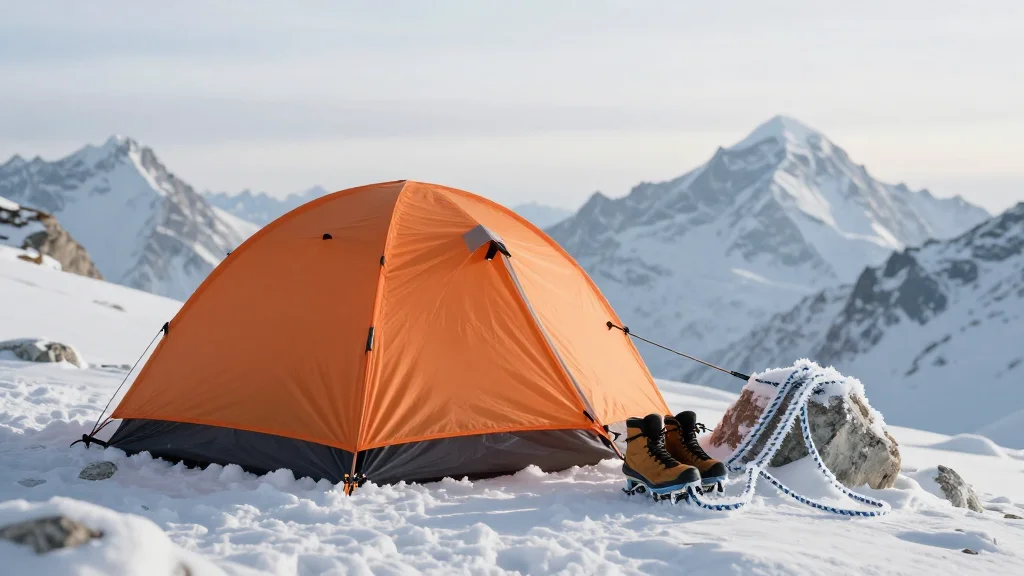
Irish Team Turns Back 400 M From Everest Summit Amid Severe Weather

Why It Matters
The incident highlights how extreme weather, amplified by climate change, is reshaping the risk calculus for Everest expeditions. As rope lines become buried under fresh snow and temperatures plunge, even seasoned climbers must prioritize safety over summit ambitions, prompting a reevaluation of traditional climbing timelines. For the broader outdoors community, the episode serves as a cautionary tale about the limits of human endurance at altitude and the importance of adaptive planning. It may also inspire a new generation of Irish adventurers, while prompting sponsors and national sport agencies to consider more comprehensive support structures for high‑risk endeavors.
Key Takeaways
- •Pádraig O’Hora, Adam Sweeney and Éanna McGowan halted 400 m below Everest’s summit at 8,450 m.
- •Team leader Jason Black confirmed all climbers are safe at Camp 4 and receiving extra oxygen.
- •Fixed ropes were buried under deep snow, making progress “painfully slow.”
- •The team may attempt a second summit push later the same day if weather permits.
- •The turn‑around reflects a growing safety‑first mindset amid increasingly volatile high‑altitude weather.
Pulse Analysis
Everest’s climbing season has entered a phase where weather predictability is eroding, forcing expeditions to adopt a more fluid approach to summit attempts. The Irish team’s decision to retreat, despite being within striking distance of the top, illustrates a pragmatic shift away from the historic ‘summit at all costs’ ethos that once dominated high‑altitude mountaineering. This cultural pivot is reinforced by the proliferation of real‑time satellite data and high‑resolution forecasting models, which now allow teams to make informed, split‑second judgments about safety.
Historically, Irish mountaineering achievements have been modest compared to nations with deep alpine traditions. O’Hora’s near‑summit, however, could catalyze increased investment in training, equipment, and logistical support for Irish climbers aiming for the world’s highest peaks. Sponsors may view the near‑success as a branding opportunity, while national sporting bodies could leverage the story to justify funding for elite adventure sports programs.
Looking ahead, the outcome of any subsequent push will likely influence how future expeditions schedule their summit windows. If the Irish team succeeds on a later attempt, it could validate the ‘wait‑and‑push’ strategy, encouraging other teams to adopt similar contingency plans. Conversely, a repeated abort would reinforce the argument for tighter weather windows and perhaps even prompt regulatory bodies to impose stricter safety protocols on commercial guiding operations on Everest.
Irish Team Turns Back 400 m From Everest Summit Amid Severe Weather
Comments
Want to join the conversation?
Loading comments...