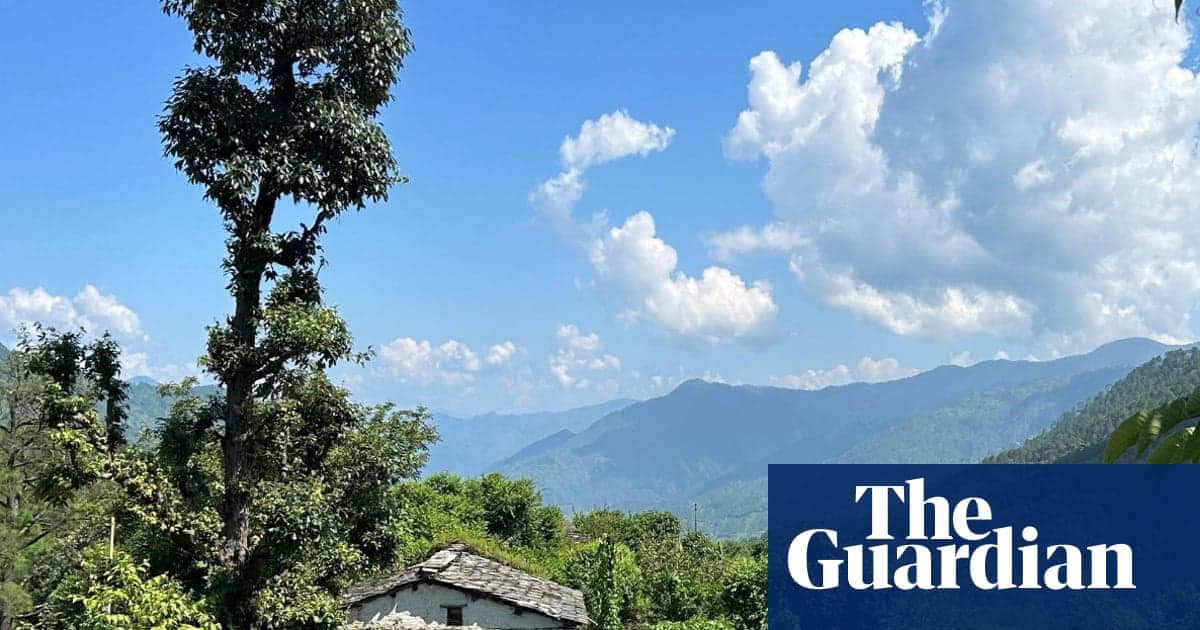
It Takes a Village – the Pioneering Tourism Project Breathing New Life Into India’s Mountain Communities
•March 12, 2026
0
Why It Matters
The initiative curbs rural‑to‑urban migration by creating sustainable livelihoods, and it demonstrates a scalable blueprint for eco‑tourism that aligns economic growth with conservation.
Key Takeaways
- •Village Ways operates in 30+ villages across India
- •7,000 guests hosted, benefiting ~5,000 locals
- •Income shared equally among cleaners, porters, guides
- •Model attracts government collaboration for rural tourism
- •Supports healthcare, women training, mobile clinics
Pulse Analysis
Community‑based tourism is emerging as a resilient alternative to mass‑market travel, especially in fragile mountain regions. Village Ways exemplifies this shift by converting remote Himalayan hamlets into curated hiking destinations, where guesthouses accommodate small groups and profits flow back to the entire village. This approach not only generates steady income for families but also revitalizes traditional crafts and agricultural practices, reducing the lure of city jobs that have long drained rural populations.
Environmental stewardship is another cornerstone of the Village Ways model. By routing visitors through protected corridors of the Binsar Wildlife Sanctuary, the program reinforces the sanctuary’s original goals of forest protection and wildlife preservation. Former hunters now serve as guides, sharing ecological knowledge and fostering a sense of pride in local biodiversity, from oak forests that regulate water to the sanctuary’s 200‑plus bird species. The low‑impact footprint—walking trails instead of roads—helps maintain habitat integrity while offering tourists authentic nature experiences.
The scalability of this framework is evident in its growing partnership with state governments and expansion into six Indian states. Leveraging community committees for decision‑making ensures transparency and equitable benefit distribution, while the charitable trust funds mobile clinics and women’s training, addressing health and gender gaps. As post‑COVID travel rebounds, Village Ways provides a replicable template for policymakers seeking to balance economic development, cultural preservation, and environmental conservation in rural tourism sectors.
It takes a village – the pioneering tourism project breathing new life into India’s mountain communities
0
Comments
Want to join the conversation?
Loading comments...