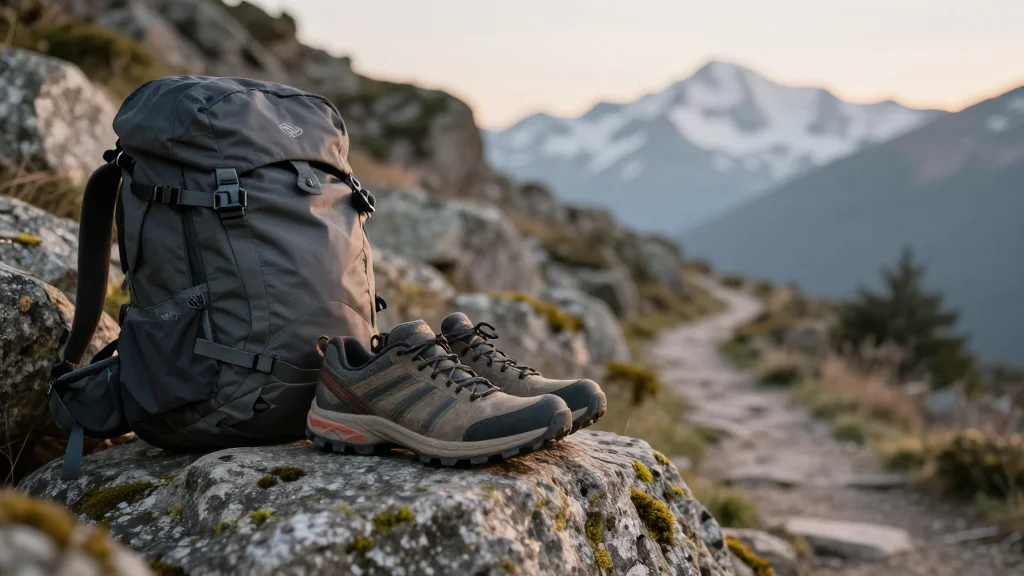
Jamieson Hatt Sets Record with 30‑Day Unsupported Fastest Known Time on Wisconsin’s Ice Age Trail

Why It Matters
Jamieson Hatt’s unsupported FKT demonstrates that extreme endurance can be achieved without any external aid, reinforcing a purist ethos that resonates with many outdoor enthusiasts. The record elevates the Ice Age Trail’s visibility, likely driving tourism and encouraging trail preservation efforts as more hikers seek to experience the route that now holds a historic benchmark. The achievement also pressures the broader FKT community to reconsider the balance between self‑supported and unsupported categories. As athletes chase ever‑longer distances, manufacturers of ultra‑light gear and high‑calorie nutrition will see new demand, potentially accelerating innovation in the outdoor equipment market.
Key Takeaways
- •Jamieson Hatt completed the 1,160‑mile Ice Age Trail in 30 days, 8 hrs, 59 min – the longest unsupported FKT on any trail
- •He carried a 70‑pound pack for the entire journey, with no resupplies or external support
- •Previous unsupported record capped at ~800 miles on the Arizona Trail
- •Hatt’s earlier unsupported Bruce Trail record was 550 miles in 12 days
- •The Ice Age Trail now gains heightened profile as a venue for future ultra‑endurance attempts
Pulse Analysis
Jamieson Hatt’s feat arrives at a moment when the outdoor industry is grappling with a paradox: the desire for ever‑greater personal challenges versus the push for sustainability and low‑impact recreation. By eschewing any external assistance, Hatt not only set a new benchmark but also underscored a philosophy that aligns with low‑impact principles—carrying everything you need reduces the trail’s carbon footprint and minimizes waste.
From a market perspective, Hatt’s record is likely to stimulate demand for ultra‑light, high‑energy gear. Companies that can deliver reliable nutrition packs and durable, weight‑saving equipment stand to benefit as more athletes emulate his unsupported approach. At the same time, trail managers may need to adapt policies to accommodate increased traffic on routes that were previously less frequented, balancing preservation with the economic boost that high‑profile attempts can bring.
Historically, unsupported FKTs have been rare, largely because the logistical burden is immense. Hatt’s success could democratize the concept, showing that with meticulous planning and the right equipment, the barrier to entry is lower than previously thought. This may lead to a surge in attempts on other National Scenic Trails, prompting a new era of ultra‑endurance challenges that prioritize self‑reliance over external support, reshaping both the culture and the commercial landscape of long‑distance hiking.
Jamieson Hatt Sets Record with 30‑Day Unsupported Fastest Known Time on Wisconsin’s Ice Age Trail
Comments
Want to join the conversation?
Loading comments...