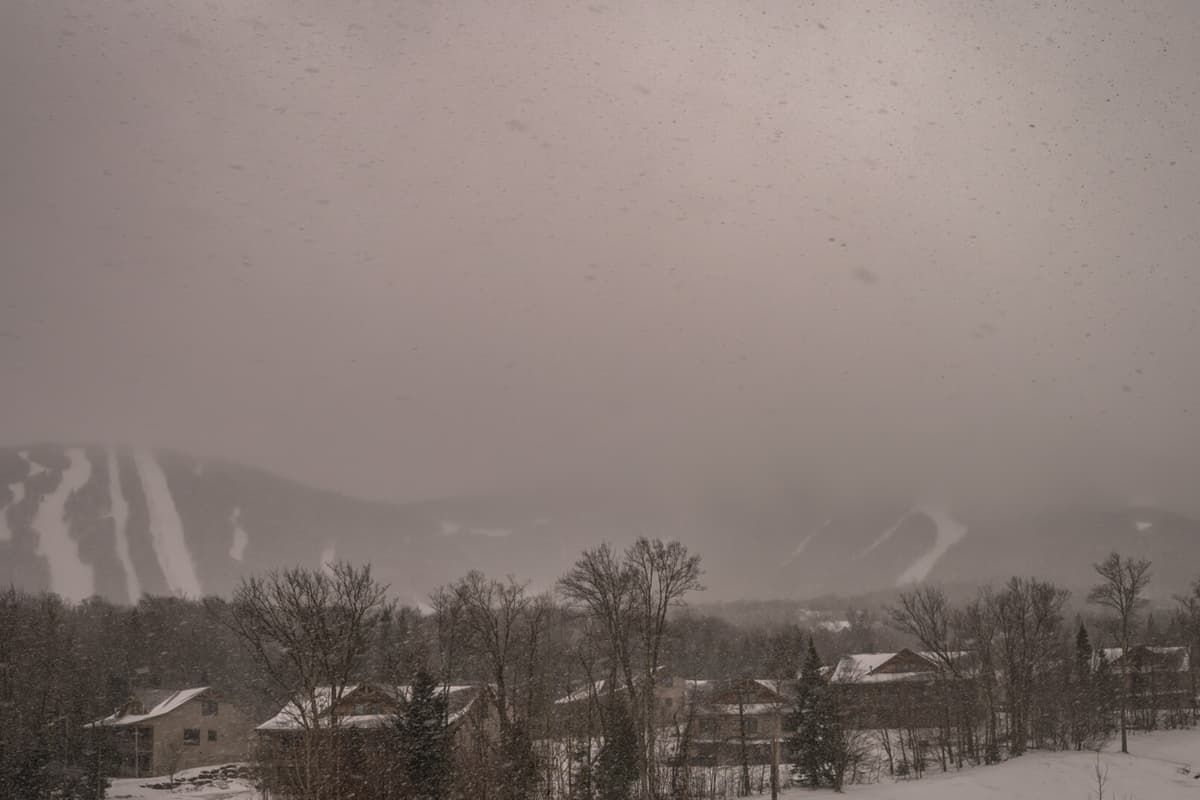
Jay Peak Eclipses 400 Inches of Snow: Here Are 10 Western Ski Resorts With Less
Why It Matters
Jay Peak’s record snowfall strengthens its competitive position in the Northeast ski market while western drought raises operational and water‑resource concerns for the broader industry.
Key Takeaways
- •Jay Peak hit 400 inches, exceeding its 372‑inch average
- •Western resorts average below 350 inches this season
- •Snow drought threatens water supplies and wildfire risk
- •Higher snowfall boosts Jay Peak's early‑season revenue
- •Base depth remains lower than Snowbird despite total snow
Pulse Analysis
Jay Peak’s 400‑inch snowfall milestone underscores how the Northeast can still deliver abundant powder despite a warming climate. While the resort benefited from a series of early‑season storms and a late‑April snow burst, the western mountains are experiencing a pronounced snow drought, as satellite snow‑water‑equivalent maps show reduced basin coverage across the Rockies and Sierra Nevada. This geographic split reflects shifting weather patterns that are reshaping where skiers can reliably find deep snow, and it forces operators to rethink resource allocation and marketing strategies.
From a business perspective, the deep snowpack at Jay Peak translates into higher lift ticket sales, extended season length, and increased ancillary revenue from lodging and dining. Early‑season snow also reduces grooming costs and improves safety, allowing the resort to attract out‑of‑state visitors seeking reliable conditions. Conversely, western resorts facing sub‑350‑inch totals are confronting reduced skier traffic, tighter margins, and heightened pressure to invest in snowmaking infrastructure. The drought’s ripple effects extend beyond tourism; diminished snowpack threatens regional water supplies and elevates wildfire risk, prompting local governments and ski operators to coordinate on water‑management and fire‑prevention initiatives.
Looking ahead, the industry must adapt to a more volatile snowfall landscape. Resorts like Jay Peak may leverage their snow advantage to capture market share, while western operators could diversify offerings—such as summer mountain activities—to offset winter shortfalls. Climate‑resilient planning, including expanded snowmaking, terrain redesign, and strategic pricing, will become essential. Stakeholders who proactively address these challenges will be better positioned to sustain profitability and protect the alpine ecosystems that underpin the ski economy.
Jay Peak Eclipses 400 Inches of Snow: Here Are 10 Western Ski Resorts With Less
Comments
Want to join the conversation?
Loading comments...