Jersey Approves 907‑Metre Predator Fence to Safeguard Seabirds

Why It Matters
The fence represents a tangible commitment to reversing seabird declines, a trend that has accelerated across the North Atlantic due to invasive mammals and habitat loss. By protecting puffins and razorbills, Jersey not only safeguards its natural heritage but also strengthens its appeal to outdoor enthusiasts, birdwatchers, and eco‑tourists whose visits support local economies. The project also signals a shift toward more proactive, infrastructure‑based conservation tactics that could be replicated on other islands facing similar predator challenges. Beyond Jersey, the decision could influence policy discussions in the broader UK and EU coastal regions, where balancing visual landscape values with biodiversity goals remains contentious. If the fence delivers measurable improvements in breeding success, it may encourage governments to consider comparable exclusion measures, reshaping how outdoor recreation and wildlife protection coexist.
Key Takeaways
- •Planning permission granted for a 907‑metre predator‑exclusion fence on Jersey
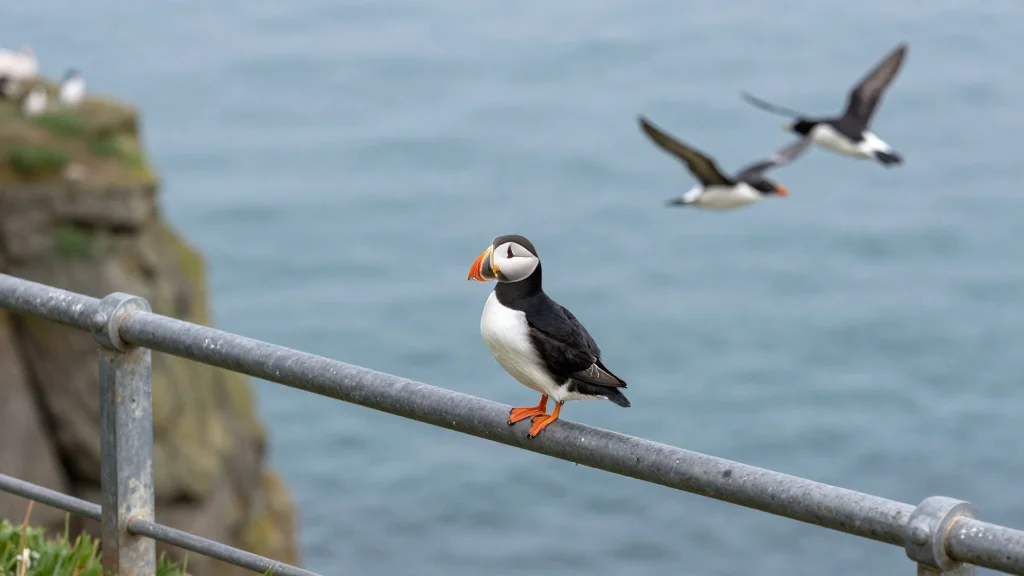
- •Fence aims to protect puffins, razorbills and other seabirds from invasive predators
- •Inspector Philip Staddon called the evidence "comprehensive and credible"
- •Deputy Steve Luce acknowledged visual impact but said benefits outweigh harms
- •Construction slated for later 2026 with a five‑year monitoring program
Pulse Analysis
Jersey’s fence approval underscores a growing willingness among small jurisdictions to invest in hard‑infrastructure for wildlife protection, a departure from the traditional reliance on habitat restoration alone. Historically, island conservation has leaned on predator eradication programs that are costly and logistically complex. By installing a physical barrier, Jersey sidesteps the need for large‑scale culling while still delivering a measurable reduction in predation pressure. This hybrid approach could become a model for other regions where full eradication is politically or socially untenable.
Economically, the fence may catalyze a niche tourism boom. Seabird colonies, especially puffins, are iconic draws for birdwatchers, and a protected sanctuary could see visitor numbers rise by double digits. However, the visual intrusion risked by local residents highlights the delicate balance between conservation and community acceptance. Effective stakeholder engagement and transparent monitoring will be crucial to maintaining public support.
Looking ahead, the success of Jersey’s fence will likely be judged on breeding metrics and predator activity data collected over the next few years. If the outcomes are positive, we may see a wave of similar projects across the British Isles and beyond, potentially reshaping coastal conservation funding priorities. Conversely, if the fence fails to deliver, it could reinforce skepticism about costly, static solutions in favor of more dynamic, ecosystem‑based management strategies.
Jersey Approves 907‑Metre Predator Fence to Safeguard Seabirds
Comments
Want to join the conversation?
Loading comments...