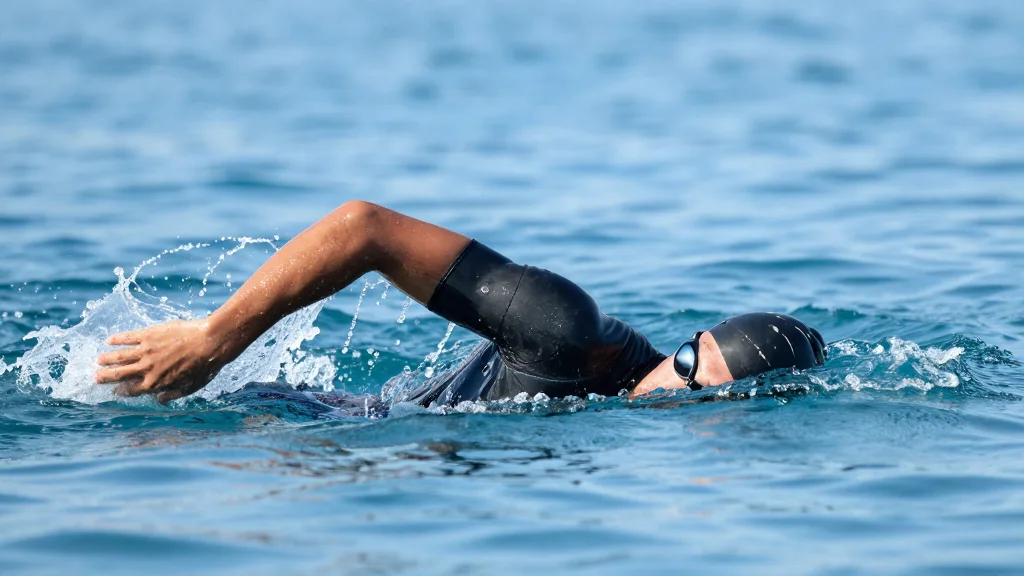
Jono Ridler Sets World Record with 1,367‑km Nonstop Swim Along New Zealand’s North Island

Why It Matters
Ridler’s achievement reshapes the narrative of extreme outdoor sport by pairing personal endurance with environmental advocacy, demonstrating how high‑profile adventure feats can mobilise mass public engagement. The surge of 66,000 petition signatures shows that a single athletic endeavor can translate into a measurable political pressure point, potentially influencing New Zealand’s fisheries policy and setting a precedent for future conservation‑focused expeditions. Beyond policy, the record swim highlights the growing appetite for sustainable adventure tourism and the role of athletes as ambassadors for ecological stewardship. As outdoor enthusiasts increasingly seek purpose‑driven challenges, Ridler’s model may inspire similar campaigns that blend physical feats with cause‑based messaging, expanding the impact of the outdoors sector beyond recreation into tangible environmental outcomes.
Key Takeaways
- •Jono Ridler completed a 1,367 km nonstop swim from North Cape to Wellington, setting a new world record for the longest unassisted staged swim
- •The 90‑day, 465‑hour effort was done in togs, goggles and a swim cap, with six‑hour swim/ six‑hour rest cycles
- •LiveOcean’s anti‑bottom‑trawl petition amassed over 66,000 signatures during the swim
- •Ministers of Conservation and Climate Change greeted Ridler at Parliament, underscoring governmental attention
- •Ridler aims to present the petition to the government by late April, seeking a ban on bottom trawling on seamounts
Pulse Analysis
Ridler’s record swim arrives at a crossroads where extreme sport, media spectacle and environmental lobbying intersect. Historically, endurance feats—think Sir Edmund Hillary’s Everest ascent or Sir Ranulph Fiennes’ polar crossings—have captured public imagination, but few have been leveraged so directly for policy change. By embedding a petition into the narrative, Ridler transforms the swim from a personal milestone into a grassroots campaign, effectively turning spectators into signatories.
The timing is strategic. New Zealand’s fisheries sector is under increasing scrutiny from both domestic NGOs and international bodies concerned about biodiversity loss. Ridler’s data point—66,000 signatures in three months—provides tangible evidence of public appetite for reform, which could pressure the Ministry for Primary Industries to accelerate its review of bottom‑trawl licences. Moreover, the high‑visibility finish in Wellington, attended by senior ministers, signals that the issue has moved beyond fringe activism into the political mainstream.
Looking ahead, the model could be replicated across other outdoor disciplines. Imagine a cross‑country mountain‑bike trek raising funds for trail preservation, or a high‑altitude climb spotlighting climate‑induced glacier retreat. Ridler’s success suggests that when athletes align their personal brand with a clear, actionable cause, they can generate both media coverage and policy leverage. The challenge will be sustaining momentum after the headline event; continued advocacy, data collection on trawl impacts, and coalition‑building will determine whether the swim translates into lasting regulatory change or remains a fleeting moment of public goodwill.
Jono Ridler Sets World Record with 1,367‑km Nonstop Swim Along New Zealand’s North Island
Comments
Want to join the conversation?
Loading comments...