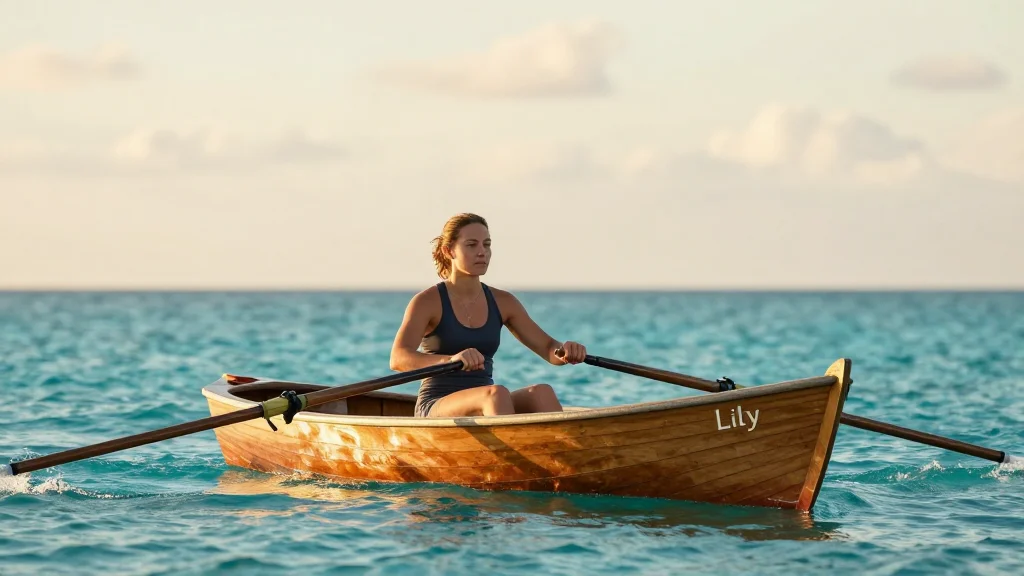
Kelsey Pfendler Sets Out to Break Solo Row Record From California to Hawaii

Why It Matters
Pfendler’s solo crossing represents a convergence of extreme athleticism, gender milestones, and environmental fundraising. By attempting a record that has stood for nearly a decade, she challenges the perception that solo ocean rowing is a male‑dominated arena, potentially encouraging more women to pursue high‑risk endurance sports. The fundraising component for the Whale Foundation also illustrates how adventure narratives can be leveraged to support conservation initiatives, creating a model where personal achievement directly benefits ecological stewardship. Moreover, the expedition’s real‑time social media presence offers a template for how outdoor athletes can engage broader audiences, turning niche pursuits into mainstream stories. This could reshape sponsorship strategies, prompting brands to back athletes who combine compelling storytelling with measurable impact on environmental causes.
Key Takeaways
- •Kelsey Pfendler departed Monterey on May 21 for a solo nonstop row to Oʻahu.
- •The 2,400‑mile journey aims to break Lia Ditton’s 86‑day record and make Pfendler the first American woman to row solo from California to Hawaii.
- •Pfendler previously completed the same route in 2024 as part of a four‑woman crew in 40 days, 22 hours.
- •The expedition raises funds for the Whale Foundation, supporting Grand Canyon river‑guiding communities.
- •Daily social‑media updates provide real‑time insight into the challenges of solo ocean rowing.
Pulse Analysis
Pfendler’s attempt arrives at a moment when the outdoors industry is increasingly focused on narrative‑driven experiences. Brands are shifting from product‑centric marketing to storytelling that aligns with consumer values around sustainability and personal challenge. By positioning her row as both a record‑breaking athletic feat and a fundraiser for a conservation nonprofit, Pfendler taps into this dual‑purpose narrative, offering sponsors a compelling platform that resonates with environmentally conscious audiences.
Historically, solo ocean rows have been dominated by a handful of repeat male athletes, creating a perception barrier for broader participation. Pfendler’s high‑visibility campaign, amplified through Instagram and other platforms, could democratize the sport by showcasing the accessibility of preparation pathways—her background as a raft guide and ER technician underscores that elite performance can emerge from diverse professional backgrounds. This may spur a new wave of entrants, prompting equipment manufacturers to develop lighter, more ergonomic rowing shells tailored for solo adventurers.
Looking ahead, the success—or even the attempt—of Pfendler’s crossing could influence funding models for outdoor expeditions. Traditional sponsorships often require a proven track record; however, Pfendler’s blend of prior group success, personal branding, and charitable alignment may encourage investors to back high‑risk, high‑visibility projects earlier in an athlete’s career. If she beats the record, the industry will likely see a surge in solo oceanic challenges, each paired with cause‑related fundraising, reinforcing the symbiotic relationship between adventure sport and environmental advocacy.
Kelsey Pfendler Sets Out to Break Solo Row Record from California to Hawaii
Comments
Want to join the conversation?
Loading comments...