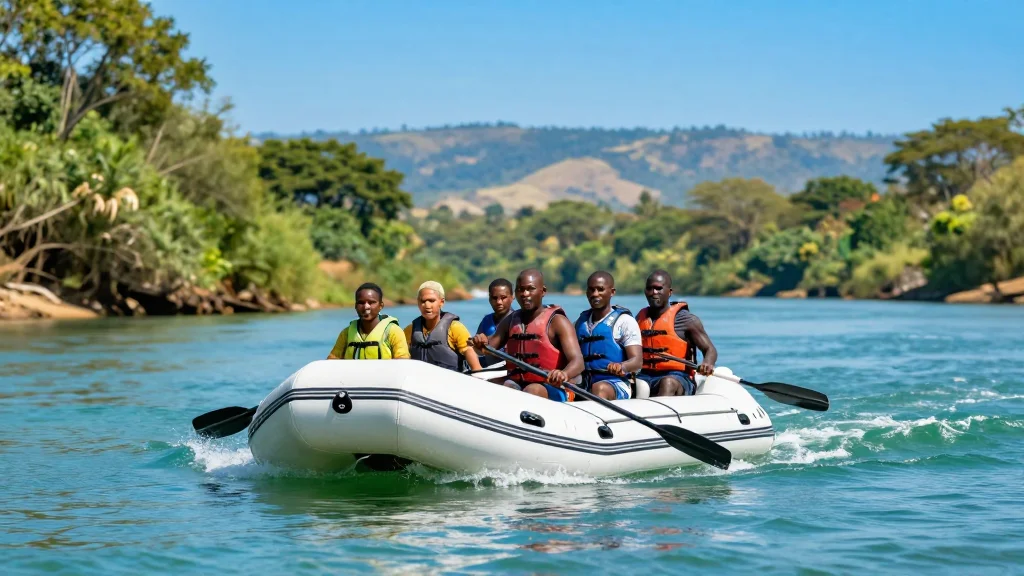
Kenya Preps for 2026 World Rafting Championships in Sagana

Why It Matters
Hosting the Africa Round of the 2026 World Rafting Championships signals Kenya’s ambition to become a premier destination for adventure tourism, a sector projected to grow rapidly as travelers seek experiential outings. By aligning the event with its Blue Economy strategy, Kenya hopes to diversify income sources, create jobs, and showcase sustainable use of its waterways. The tournament also offers a rare platform for African athletes to compete at the highest level without traveling abroad, potentially accelerating the development of a homegrown elite cadre in watersports. If successful, the championship could trigger a cascade of infrastructure investments—improved roads, upgraded emergency services, and enhanced river management—that benefit both sport and local communities. Moreover, the global media exposure may attract future international events, from kayaking marathons to eco‑tourism festivals, reinforcing Kenya’s reputation as a versatile outdoor destination.
Key Takeaways
- •Kenya will host the Africa Round of the 2026 World Rafting Championships in Sagana, July 5‑12.
- •The event is the final leg of a three‑part series, following rounds in France (April) and Italy (June).
- •KRF Secretary General William Kinuthia expects participants from 40 countries.
- •Preparations include river safety inspections, infrastructure upgrades, and training of technical officials.
- •The championship aligns with Kenya’s Blue Economy push, aiming to boost sports tourism and local employment.
Pulse Analysis
Kenya’s bid to host the World Rafting Championships reflects a broader shift in African nations leveraging niche sports to drive tourism and economic diversification. Historically, the continent’s outdoor events have centered on marathon running and safari experiences; water‑based competitions have been under‑represented. By securing a World Cup‑level event, Kenya not only fills that gap but also signals to international federations that African venues can meet rigorous safety and logistical standards.
The timing is strategic. Global adventure tourism is projected to exceed $1.5 trillion by 2030, with watersports accounting for a growing slice of that market. Kenya’s natural river systems, particularly the Sagana River, offer the technical challenges required for elite competition while remaining relatively untapped. If the July event runs smoothly, it could unlock a pipeline of similar events—white‑water kayaking, canyoning, and even eco‑marathons—creating a virtuous cycle of investment, skill development, and brand building for the nation.
However, the venture is not without risk. Funding constraints, climate variability, and the need for sustained maintenance of river infrastructure could undermine long‑term benefits. Success will hinge on coordinated public‑private partnerships, robust contingency planning for weather disruptions, and the ability to translate short‑term event hype into lasting tourism infrastructure. Should Kenya navigate these challenges, it could set a template for other African countries seeking to diversify their tourism portfolios beyond traditional wildlife safaris.
Kenya Preps for 2026 World Rafting Championships in Sagana
Comments
Want to join the conversation?
Loading comments...