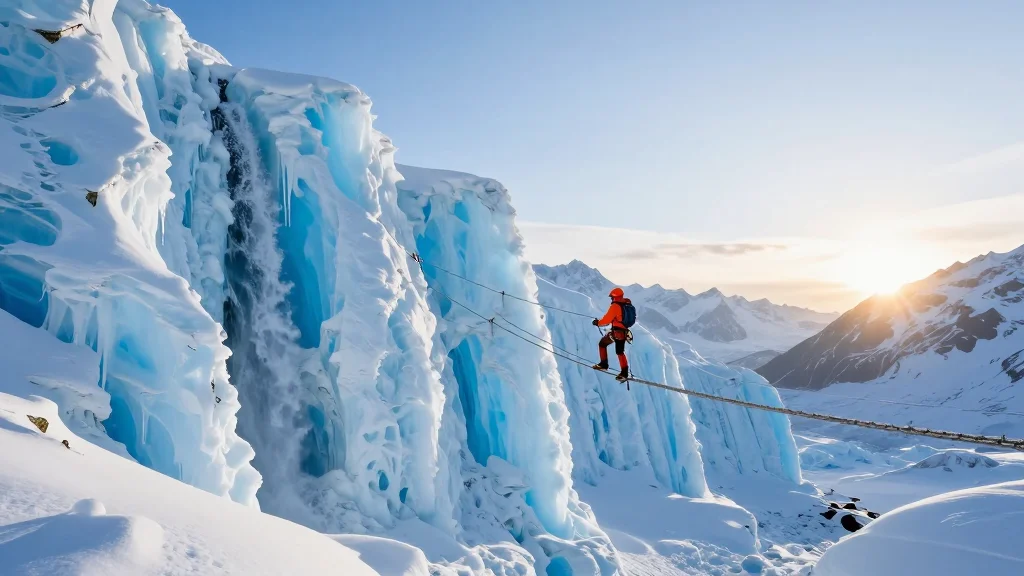
Khumbu Icefall Reopens After Week-Long Delay, Launching Everest Season

Why It Matters
The Khumbu Icefall is the gateway to Everest’s summit; its accessibility determines the timing and scale of the entire climbing season. A timely reopening enables thousands of dollars in tourism revenue for Nepal and provides employment for Sherpas and support staff. Conversely, any misstep in safety could trigger accidents that reverberate through the global mountaineering community, affecting the reputation of Everest as a managed, yet still perilous, adventure destination. Beyond immediate economic impacts, the icefall’s condition serves as a barometer for climate‑related changes in the Himalayas. Increased ice movement and serac instability may signal broader glacial dynamics, prompting future revisions to climbing protocols and safety standards across high‑altitude routes worldwide.
Key Takeaways
- •Khumbu Icefall reopened after a week‑long closure following safety inspections
- •Authorities used radar scans and additional fixed ropes to certify the route
- •Hundreds of climbers and support crews can now move toward base camp
- •Local economy expects a surge in tourism revenue and employment
- •Upcoming permit issuance will test the balance between safety and season momentum
Pulse Analysis
The rapid clearance of the Khumbu Icefall underscores a shift toward data‑driven decision making in high‑altitude mountaineering. In past seasons, route closures were often dictated by seasonal calendars rather than real‑time hazard assessments. By leveraging radar technology and on‑the‑ground expertise, Nepalese authorities are reducing uncertainty for expedition planners, potentially extending the viable climbing window and smoothing the flow of permits.
However, the reopening also highlights the fragile equilibrium between commercial pressures and safety imperatives. The Everest market has grown dramatically, with a surge in guided expeditions and a diversification of climber demographics. This growth fuels local economies but also amplifies the risk of overcrowding and rushed decision‑making. The current season will test whether the newly adopted safety protocols can keep pace with demand without compromising the mountain’s inherent dangers.
Looking forward, the icefall’s behavior may become a leading indicator for broader Himalayan glacial health. If increased ice movement persists, authorities may need to institutionalize more frequent monitoring and possibly redesign sections of the route. Such adaptations could reshape the economics of Everest climbing, influencing everything from permit pricing to the duration of the climbing season. Stakeholders—government, operators, and Sherpa communities—must therefore collaborate on a long‑term strategy that balances profitability with the mountain’s evolving physical realities.
Khumbu Icefall Reopens After Week-Long Delay, Launching Everest Season
Comments
Want to join the conversation?
Loading comments...