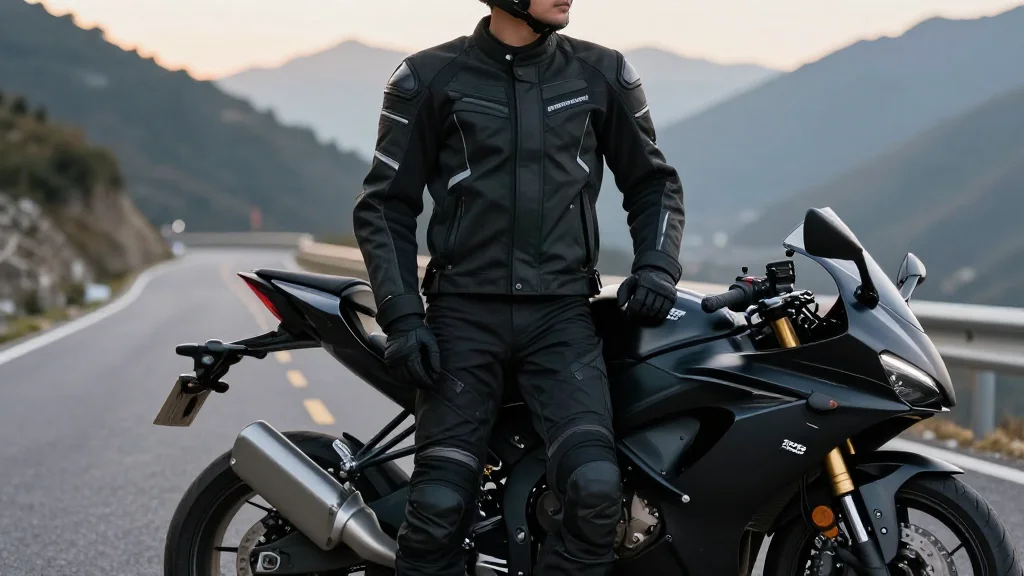
KLIM Unveils Redesigned Waterproof Touring Gear with 44% More Impact Coverage

Why It Matters
The upgraded Kodiak suite raises the bar for protective touring gear, a segment that has traditionally balanced safety against weight and comfort. By delivering 44% more impact coverage while retaining a breathable profile, KLIM addresses a long‑standing rider concern: how to stay protected without overheating on long rides. The product also signals a shift toward more modular weather solutions, such as the removable storm collar, which could influence how other manufacturers design rain‑ready gear. In the broader outdoors market, KLIM’s move underscores the convergence of high‑performance textile technology and adventure sports. As more consumers blend motorcycling with backcountry touring, the demand for apparel that can transition seamlessly between wet, cold, and hot conditions will likely accelerate, prompting further innovation across the sector.
Key Takeaways
- •KLIM launches 2026 Kodiak jacket ($1,199.99) and pants ($849.99) with Level 2 Rogue EXP armor
- •Armor provides 44% more impact area coverage while staying breathable
- •Gear built on 3‑layer GORE‑TEX Pro shell with 14‑port ventilation system
- •Fit follows a refined European standard with split‑sizing for compact and standard pads
- •Available in Dress Blues, Asphalt and Black; immediate global dealer shipment
Pulse Analysis
KLIM’s refreshed Kodiak line arrives at a pivotal moment for the adventure motorcycling niche, where riders increasingly expect gear that can double as both high‑performance protection and all‑weather apparel. Historically, touring kits have compromised on armor to keep weight low; KLIM’s integration of Level 2 Rogue EXP pads—promising 44% more coverage—suggests a market shift toward accepting a modest weight increase for a measurable safety gain. This mirrors trends in the broader outdoor apparel space, where brands like Patagonia and Arc’teryx have introduced hybrid jackets that blend technical insulation with robust abrasion resistance.
From a competitive standpoint, KLIM is positioning itself against legacy players such as Alpinestars, which recently rolled out its own CE AA‑rated armor suite, and Dainese, whose recent Pro‑Armor line emphasizes lightweight composites. KLIM’s advantage lies in its vertically integrated supply chain in Idaho, allowing tighter control over material sourcing—particularly the use of goat leather overlays and Cordura yarn—while keeping the product within a price bracket that remains attractive to serious enthusiasts. The company’s decision to retain a classic silhouette while adding modern performance features may also appeal to riders who value heritage aesthetics alongside cutting‑edge tech.
Looking ahead, the real test will be how the Kodiak performs in endurance scenarios. If field trials confirm the ventilation system’s ability to manage heat in desert conditions and the armor’s durability under prolonged abrasion, KLIM could set a new benchmark that forces competitors to elevate their own protection standards. Moreover, the upcoming limited‑edition “Adventure” variant hints at a modular product strategy, where riders can swap components based on terrain and climate. Such flexibility could become a differentiator in a market where personalization and adaptability are increasingly prized.
KLIM Unveils Redesigned Waterproof Touring Gear with 44% More Impact Coverage
Comments
Want to join the conversation?
Loading comments...