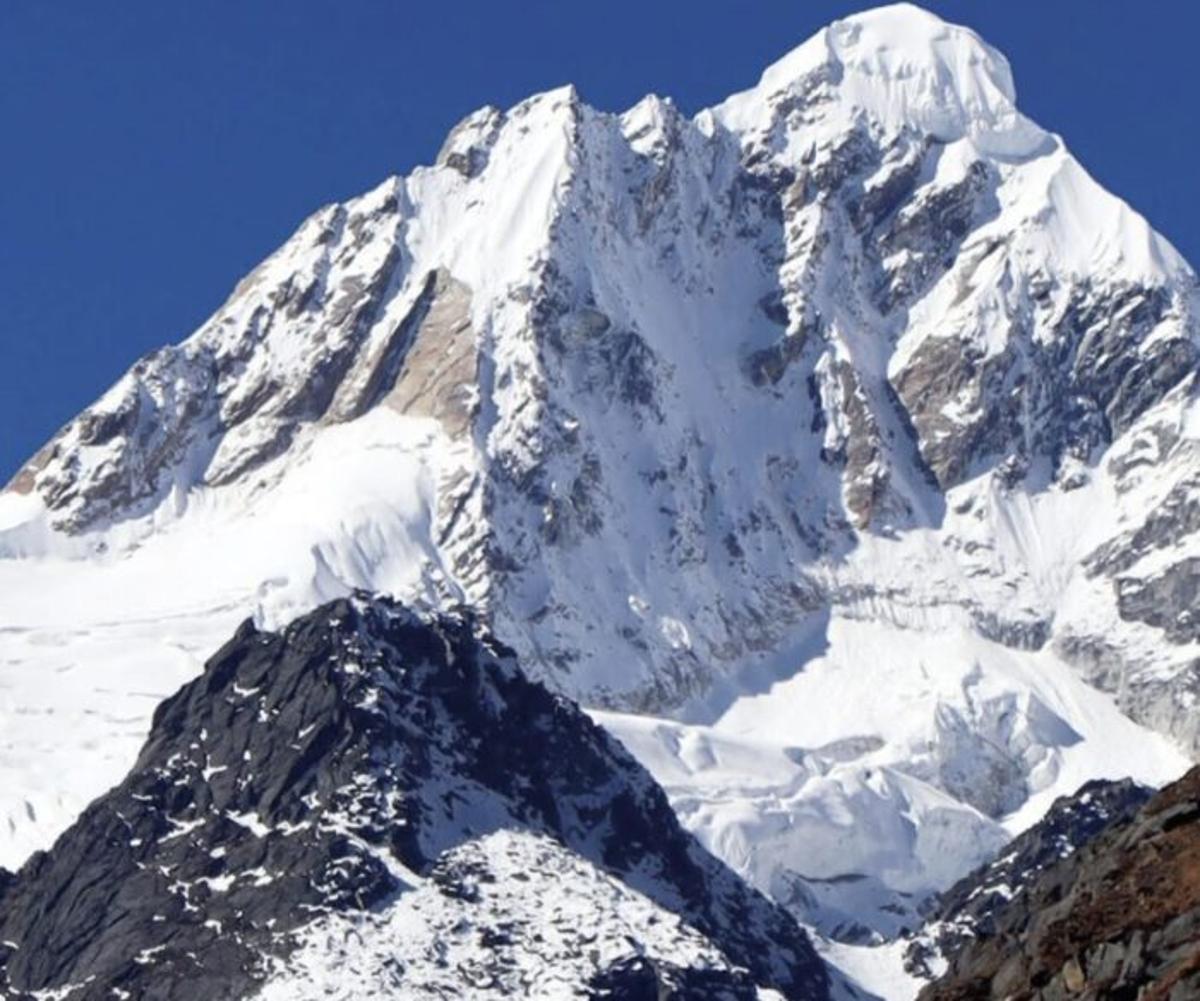
Koreans to Attempt Unclimbed Peak Near Kangchenjunga
Why It Matters
A successful first ascent would cement South Korea’s presence in high‑altitude mountaineering, showcase Nepal’s lesser‑known peaks, and strengthen tourism cooperation between the countries.
Key Takeaways
- •Korean Alpine Federation targets Sato Peak, altitude ~6,200 m.
- •Team will climb alpine style, no Sherpa support.
- •Expedition aims to boost Nepal‑Korea tourism ties.
- •Previous attempts in 2022‑23 left summit status uncertain.
- •Sato Peak lies in Janak Himal near Kangchenjunga.
Pulse Analysis
Sato Peak, perched at roughly 6,200 meters in the Janak Himal, has lingered in the shadow of the world’s 8,000‑meter giants. The mountain’s exact height and location have been disputed for decades, with early 1960s expeditions possibly misidentifying neighboring Sharphu summits. Recent attempts by Italian climbers in 2022 and a Japanese team in 2023 reached a fore‑summit but stopped short of confirming a true summit, leaving the Himalayan Database to label the peak “unclimbed?” This ambiguity makes any successful ascent both a cartographic correction and a historic first. Mapping agencies also rely on such climbs to refine satellite models of the region.
The Korean Alpine Federation’s seven‑person squad, led by veteran An Chi‑young, has chosen an alpine‑style strategy—carrying all gear, establishing minimal fixed lines, and forgoing Sherpa support. This minimalist ethic aligns with a growing trend among elite alpinists who prioritize self‑reliance and low environmental impact. For South Korea, a nation that has produced Piolet d’Or winners and Olympic‑level climbers, a first ascent would reinforce its reputation on the global high‑altitude stage and inspire a new generation of domestic mountaineers. The team’s preparation includes high‑altitude acclimatization climbs in the Annapurna circuit, sharpening technical proficiency.
Beyond the climbing accolade, the expedition serves diplomatic goals. Nepal’s tourism board and the Korean embassy view the venture as a platform to deepen bilateral tourism ties, promoting lesser‑known trekking corridors in eastern Nepal. A successful climb could attract adventure‑seeking travelers, diversify Nepal’s tourism portfolio beyond Everest, and generate economic benefits for remote communities near Taplejung. As climate change reshapes Himalayan access, such collaborations may become essential for sustainable mountain tourism. Long‑term, both governments are exploring joint training programs for guides, aiming to raise safety standards across the Himalaya.
Koreans to Attempt Unclimbed Peak Near Kangchenjunga
Comments
Want to join the conversation?
Loading comments...