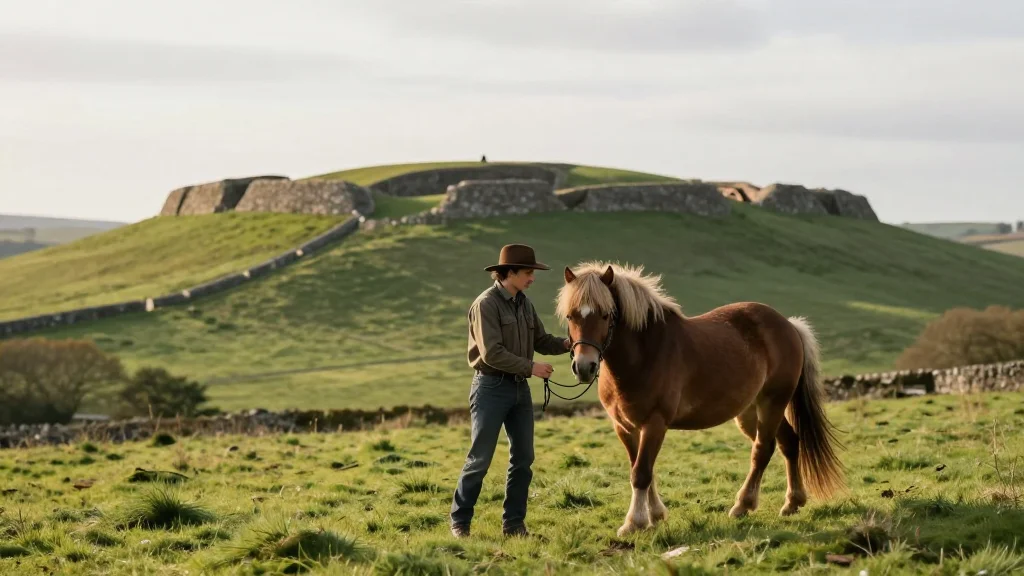
Land Agent Roger Sewill and Pony Scarlet Begin 200‑Mile Dorset Hill‑Fort Trek

Why It Matters
The trek underscores a growing trend of using endurance challenges to spotlight environmental and heritage issues. By physically traversing historic sites, Sewill creates a narrative that connects outdoor recreation with conservation funding, potentially inspiring similar initiatives nationwide. Moreover, the walk highlights the delicate balance between promoting rural tourism and protecting fragile archaeological landscapes, prompting dialogue among landowners, NGOs, and policymakers. If successful, the trek could serve as a template for leveraging personal adventure stories to drive community‑level conservation efforts, especially in regions where heritage sites are under‑documented and under‑funded. It also reinforces the role of pack animals like Dales ponies in low‑impact travel, showcasing sustainable alternatives to motorized tourism.
Key Takeaways
- •Roger Sewill and pony Scarlet start a 200‑mile trek across Dorset’s Iron Age hill forts.
- •The three‑week challenge supports Dorset Wildlife Trust’s nature‑recovery projects.
- •Sewill plans to cover 12‑30 miles daily, stopping in farmers’ fields each night.
- •The trek revisits 30 historic forts, including Maiden Castle and Hambledon Hill.
- •Previous 2024 walk raised awareness for rural mental‑health issues.
Pulse Analysis
Sewill’s trek arrives at a crossroads where outdoor adventure, heritage tourism, and conservation funding intersect. Historically, long‑distance walks have been used to raise awareness—think of the 2014 Great Walk for Climate or the 2020 Coast to Coast Challenge. What sets this effort apart is its explicit focus on archaeological sites, a niche that could attract a new demographic of heritage enthusiasts who value physical engagement with history.
From a market perspective, the trek could stimulate micro‑tourism in Dorset’s lesser‑known rural areas. Small‑scale accommodation providers, local farms, and heritage sites stand to benefit from increased footfall, provided that visitor management plans are in place to mitigate wear on fragile earthworks. The involvement of a Dales pony also highlights a low‑impact transport model that aligns with growing consumer demand for sustainable travel experiences.
Looking ahead, the success of this trek may encourage NGOs to partner with adventurers for cause‑driven campaigns. If Sewill’s post‑trek reporting demonstrates measurable fundraising and heightened public engagement, we could see a rise in similar initiatives across the UK, especially in counties with rich but under‑promoted archaeological landscapes. The key will be balancing exposure with preservation—a challenge that will shape the next wave of heritage‑focused outdoor events.
Land Agent Roger Sewill and Pony Scarlet Begin 200‑Mile Dorset Hill‑Fort Trek
Comments
Want to join the conversation?
Loading comments...