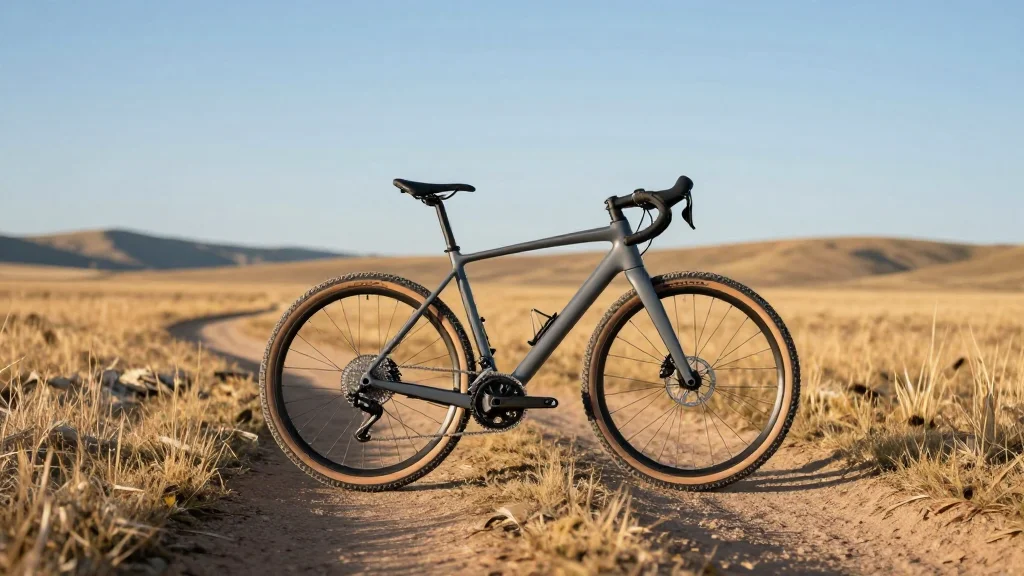
Logan County Launches 600‑Mile Gravel Adventure Field Guide for Colorado Cyclists

Why It Matters
The Gravel Adventure Field Guide expands Colorado’s outdoor tourism portfolio by spotlighting the Eastern Plains, a region traditionally eclipsed by the Rocky Mountains. By offering a curated, tech‑ready itinerary, Logan County taps into the burgeoning gravel‑cycling market, which has seen national participation grow by double‑digit percentages over the past five years. This diversification can generate new revenue streams for rural communities, support local businesses, and promote sustainable land use practices that balance recreation with conservation. Moreover, the guide’s blend of navigation tools and cultural storytelling creates a template for other jurisdictions aiming to attract experience‑seeking travelers. As cyclists increasingly prioritize authentic, low‑impact routes, regions that can package scenic, low‑traffic corridors with rich local narratives stand to gain a competitive edge in the outdoor recreation economy.
Key Takeaways
- •Logan County launched a 10‑route, 600‑mile Gravel Adventure Field Guide on May 5, 2026.
- •Guide highlights unpaved roads on the Eastern Plains and the South Platte River corridor.
- •Quotes from Marliee Johnson (Visit Logan County) and Juan Dela Roca (Gravel Adventure Field Guide).
- •Digital version includes GPS files compatible with Ride with GPS; print copies sold at GravelAdventureFieldGuide.com.
- •County seeks Colorado Water Conservation Board grant for a promotional video and will report impact in early 2027.
Pulse Analysis
Logan County’s guide launch arrives at a moment when gravel cycling is transitioning from a niche hobby to a mainstream outdoor pursuit. Nationally, gravel events have multiplied, and bike manufacturers are allocating dedicated product lines, indicating robust demand. By positioning the Eastern Plains as a low‑traffic alternative, Logan County differentiates itself from the saturated mountain market, potentially capturing cyclists who are price‑sensitive or seeking solitude. The guide’s integration of GPS data reflects a broader shift toward digital navigation, reducing barriers for out‑of‑state riders who may be unfamiliar with the terrain.
Historically, Colorado’s tourism narrative has been mountain‑centric, with the Rockies driving the majority of outdoor spending. Logan County’s strategy mirrors successful models in other states where rural areas have leveraged niche activities—such as Utah’s backcountry mountain‑bike parks—to stimulate local economies. If the guide drives even a modest increase in visitor days, the multiplier effect on lodging, food service, and retail could be significant for a county whose economic base is traditionally agricultural.
Looking ahead, the guide’s success will hinge on sustained marketing, infrastructure maintenance, and community buy‑in. The planned grant‑funded video could serve as a catalyst, but long‑term viability will require coordinated stewardship between the county, landowners, and conservation agencies to preserve the very quiet, unspoiled character that the guide promises. Should Logan County demonstrate measurable economic uplift, other plains‑state jurisdictions may replicate the model, reshaping the national gravel‑cycling map beyond mountainous terrain.
Logan County Launches 600‑Mile Gravel Adventure Field Guide for Colorado Cyclists
Comments
Want to join the conversation?
Loading comments...