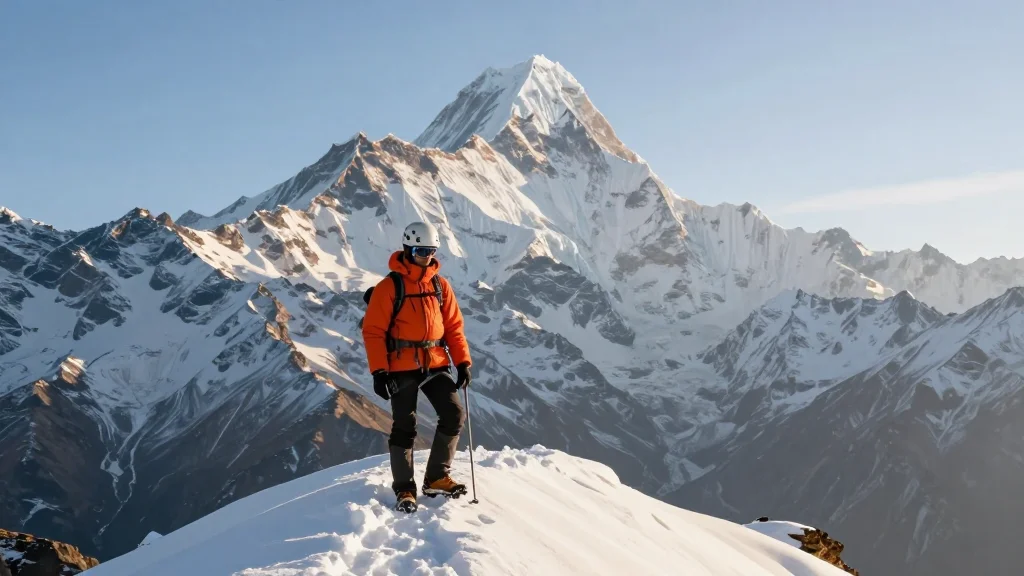
Makalu Sherpa Sets Record Ninth Makalu Summit, Eyes Everest for Triple Spring Sweep

Why It Matters
Lakpa Sherpa’s record ninth ascent of Makalu showcases the increasing capability of Nepali climbers to dominate the world’s highest peaks, reinforcing Nepal’s reputation as a hub for elite high‑altitude expeditions. His planned triple‑peak spring sweep could boost interest in guided climbs, attracting affluent adventure tourists and generating additional income for local economies that depend on trekking and mountaineering. At the same time, the concurrent rise in fatalities raises questions about the sustainability of rapid expedition turnover. Policymakers, expedition operators, and the climbing community must balance the drive for record‑setting climbs with the need for robust safety protocols, rescue capacity, and environmental stewardship in the fragile high‑altitude environment.
Key Takeaways
- •Lakpa Sherpa summited Makalu for a record ninth time on May 2 at 5:00 a.m.
- •The ascent was part of a Seven Summit Treks expedition and follows an April 18 Annapurna I summit.
- •Sherpa’s eight‑thousander tally includes nine Makalu, four Manaslu, three Lhotse, two Cho Oyu, and single climbs of Everest, Dhaulagiri, Kangchenjunga and Annapurna.
- •If he reaches Everest this spring, he will join a tiny group of climbers who have summited three eight‑thousanders in a single season.
- •The Himalayas have recorded five deaths this season across Everest and Makalu, highlighting safety concerns amid increasing commercial activity.
Pulse Analysis
Lakpa Sherpa’s campaign epitomizes a broader shift in high‑altitude mountaineering: Nepali climbers are moving from supporting roles to headline‑making athletes. Historically, the most celebrated eight‑thousander ascents were dominated by foreign expeditions, but the past decade has seen a surge in locally led climbs, driven by improved training, access to better equipment, and the growth of domestic guiding companies like Seven Summit Treks. Sherpa’s ninth Makalu ascent not only sets a statistical record but also signals that repeat ascents are becoming more routine, thanks to refined acclimatization strategies and logistical support.
The commercial dimension cannot be ignored. Nepal’s tourism ministry estimates that mountaineering contributes roughly $300 million annually to the national economy. High‑profile feats such as Sherpa’s attract media attention, which in turn fuels demand for guided climbs among wealthy adventurers. However, the concurrent rise in fatalities—five deaths this season alone—exposes a tension between economic incentives and safety. Rescue teams are often stretched thin, and the narrow pre‑monsoon window leaves little margin for error. Policymakers may need to tighten permit quotas or enforce stricter safety standards to prevent a potential backlash that could jeopardize the sector’s growth.
Looking ahead, Sherpa’s attempt on Everest will serve as a litmus test for the sustainability of aggressive spring campaigns. Success could cement a new benchmark for Nepali climbers, encouraging a wave of repeat‑summit ambitions. Failure, especially if linked to safety lapses, could trigger calls for reform. Either outcome will shape the narrative of Nepal’s high‑altitude tourism for years to come.
Makalu Sherpa Sets Record Ninth Makalu Summit, Eyes Everest for Triple Spring Sweep
Comments
Want to join the conversation?
Loading comments...