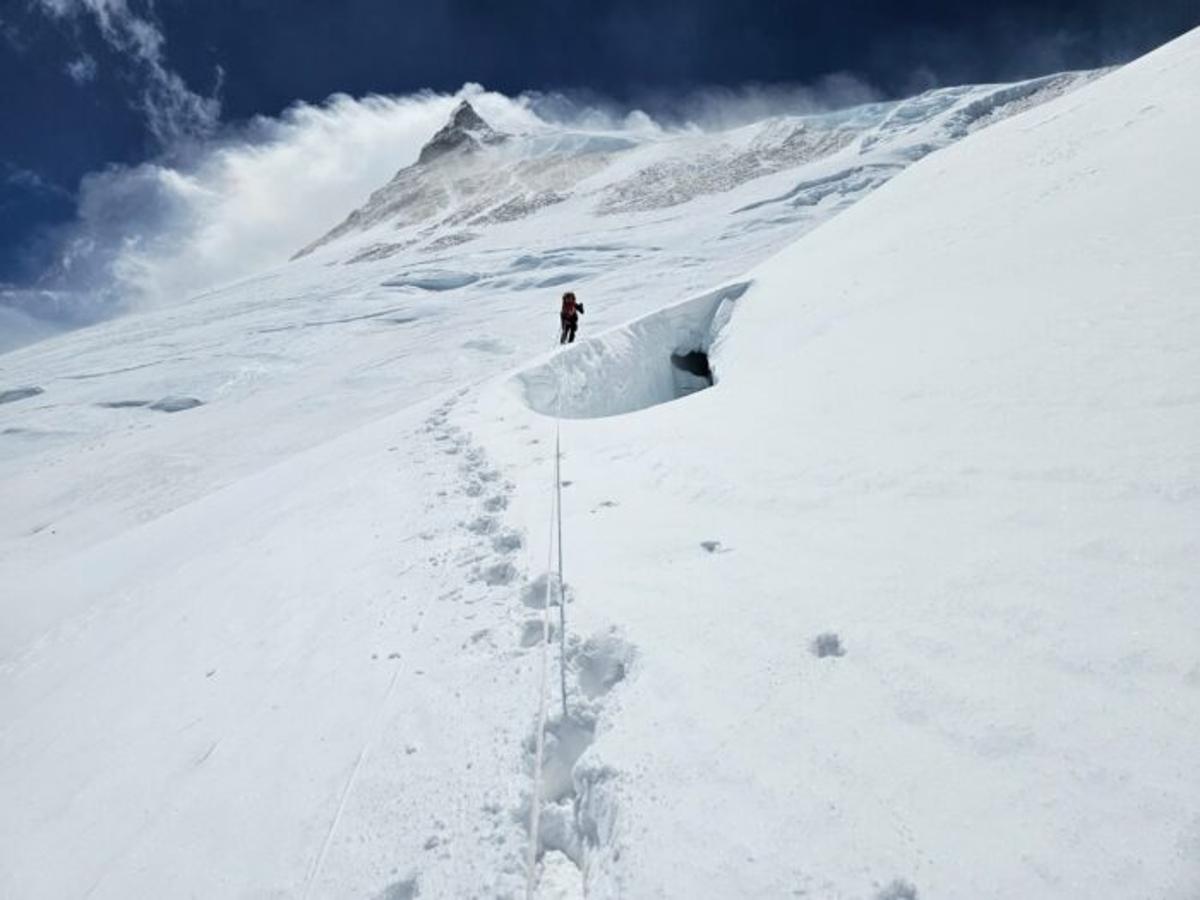
Manaslu: To Turn Back the Clock on an 8,000m Peak, Go in the Off-Season
Companies Mentioned
Why It Matters
The climb shows high‑altitude peaks can be summited safely during low‑traffic windows, offering a sustainable, low‑impact model that could reshape commercial expedition economics.
Key Takeaways
- •Moroz summited Manaslu solo, no oxygen, no Sherpa, April 28
- •Only two permits issued for Manaslu this spring, highlighting low traffic
- •Climbers carried all gear to 7,500 m, bivied without a tent
- •Dry, windswept conditions forced dry‑tooling on frozen rock near summit
- •Off‑season ascent proved 8,000 m peaks can be climbed in wilderness style
Pulse Analysis
Off‑season climbing on 8,000‑meter peaks has long been a niche pursuit, but the early‑spring Manaslu ascent underscores its growing appeal. Nepal issued only two permits for the season, a stark contrast to the dozens granted during the post‑monsoon rush. This scarcity reduces crowding, lowers the environmental footprint, and opens a narrow weather window when the mountain is dry, windswept, and largely free of fixed ropes. For adventure‑seeking climbers, the trade‑off is a more technical route that demands self‑reliance and precise timing, reshaping how permit authorities and local economies view seasonal demand.
The technical demands of Moroz and Ablovacky's climb were amplified by their decision to forgo supplemental oxygen and Sherpa assistance. Carrying all gear—including tents, sleeping bags, and down suits—up to 7,500 m required meticulous load management and stamina, while the need to bivouac in the open at 7,450 m tested their cold‑weather survival skills. Dry‑tooling on frozen rock near the summit and navigating avalanche‑prone slopes without fixed lines highlighted the elite skill set required for such expeditions. Their success reinforces the viability of "alpine‑style" ascents on 8,000‑meter peaks, a model traditionally reserved for lower‑altitude objectives.
For the broader mountaineering industry, this ascent signals a potential shift toward sustainable, low‑impact tourism. Guiding companies may begin to market off‑season packages that emphasize self‑sufficiency, reduced crowding, and authentic wilderness experiences. Meanwhile, local communities stand to benefit from a steadier, year‑round flow of climbers rather than a seasonal surge, potentially stabilizing income while preserving the mountain’s pristine character. As climate patterns evolve, the strategic use of narrow weather windows could become a cornerstone of future high‑altitude expedition planning.
Manaslu: To Turn Back the Clock on an 8,000m Peak, Go in the Off-Season
Comments
Want to join the conversation?
Loading comments...