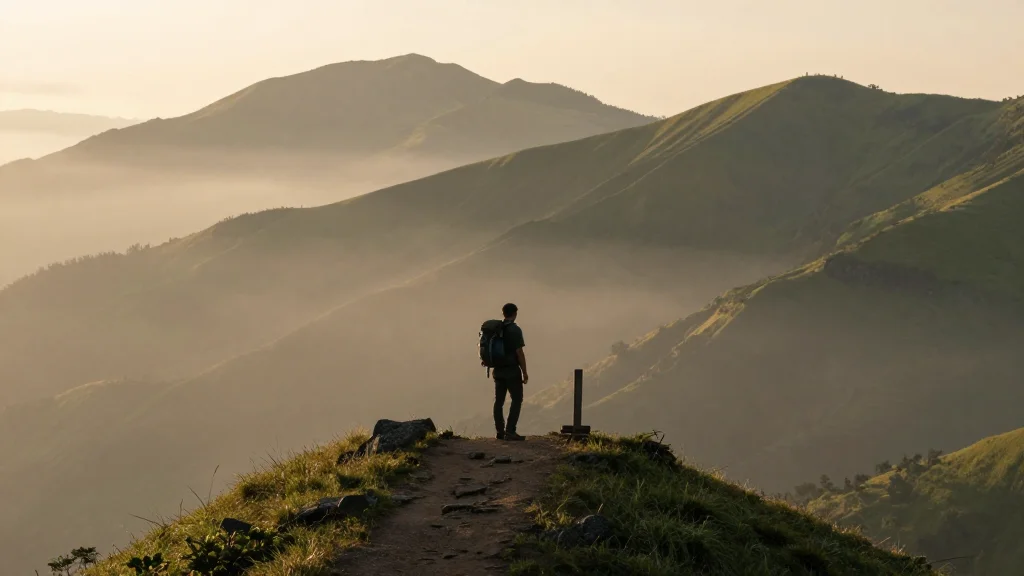
Manav Shekhawat Completes 2,000 Km Epic Sahyadri Trail in 70 Days

Why It Matters
Manav Shekhawat’s 2,000 km trek shines a spotlight on India’s untapped trail network, a resource that could diversify the country’s outdoor tourism beyond the Himalayas. By documenting and publicising the Sahyadris, the project creates economic opportunities for rural communities, encourages sustainable land use, and provides a model for citizen‑led conservation. As climate change pressures traditional trekking seasons, the Sahyadris’ longer, monsoon‑driven window offers a resilient alternative for adventure seekers. The initiative also underscores a growing demand for reliable trail data in emerging markets. Accurate mapping reduces safety risks, attracts investment in infrastructure, and positions India to compete with global trekking destinations. If successful, EST could inspire similar projects across the Western Ghats, fostering a nationwide network of accessible, well‑maintained trails.
Key Takeaways
- •Manvendra “Manav” Singh Shekhawat completed a 2,000 km trek across the Sahyadris in 70 days.
- •The Epic Sahyadri Trail (EST) aims to map and revive forgotten forest routes called *raanvaata*.
- •Manav has logged over 14,000 km of walking across India, Nepal and Indonesia.
- •Sahyadri trekking season runs from June to February, offering a longer window than the Himalayas.
- •EST will be released on HikeX with GPS data, elevation profiles and a planned mobile app.
Pulse Analysis
Manav’s accomplishment arrives at a crossroads for India’s outdoor industry. Historically, the country’s adventure narrative has been dominated by the Himalayas, leaving the Western Ghats under‑promoted despite their biodiversity and proximity to major metros. By delivering a concrete, data‑rich trail network, EST could shift the market’s focus, prompting travel operators to design multi‑day itineraries that tap into the growing middle‑class appetite for domestic adventure.
From a competitive standpoint, the project pits grassroots activism against a traditionally top‑down tourism model. State agencies have often been slow to invest in trail infrastructure, citing budget constraints and bureaucratic hurdles. Manav’s community‑first approach—leveraging social media, open‑source mapping tools and local partnerships—demonstrates a scalable alternative that could pressure governments to allocate resources more efficiently. If the mobile app gains traction, it may also set a new benchmark for safety standards, encouraging insurers and emergency services to engage with the sector.
Looking ahead, the success of EST could catalyse a cascade of similar initiatives across the Western Ghats and other mountain ranges. As more trails become charted, India could position itself as a premier, year‑round trekking destination, attracting international enthusiasts and boosting eco‑tourism revenues. The key will be balancing increased footfall with conservation, ensuring that the very act of mapping does not lead to overuse. Manav’s next steps—partnering with state tourism boards and rolling out the HikeX app—will be critical in translating a singular trek into a sustainable, nationwide trail ecosystem.
Manav Shekhawat Completes 2,000 km Epic Sahyadri Trail in 70 Days
Comments
Want to join the conversation?
Loading comments...