Metal Detectorists Found an Ancient Hoard That Led to a Mysterious Structure
Why It Matters
The discovery reshapes understanding of Late Bronze Age ritual architecture in the Balkans, indicating sophisticated non‑military communal spaces and broader cultural interactions. It also underscores the growing role of hobbyist metal detectorists in uncovering significant archaeological sites.
Key Takeaways
- •Detectorists uncovered a 6th‑century BCE hoard of buttons and belts.
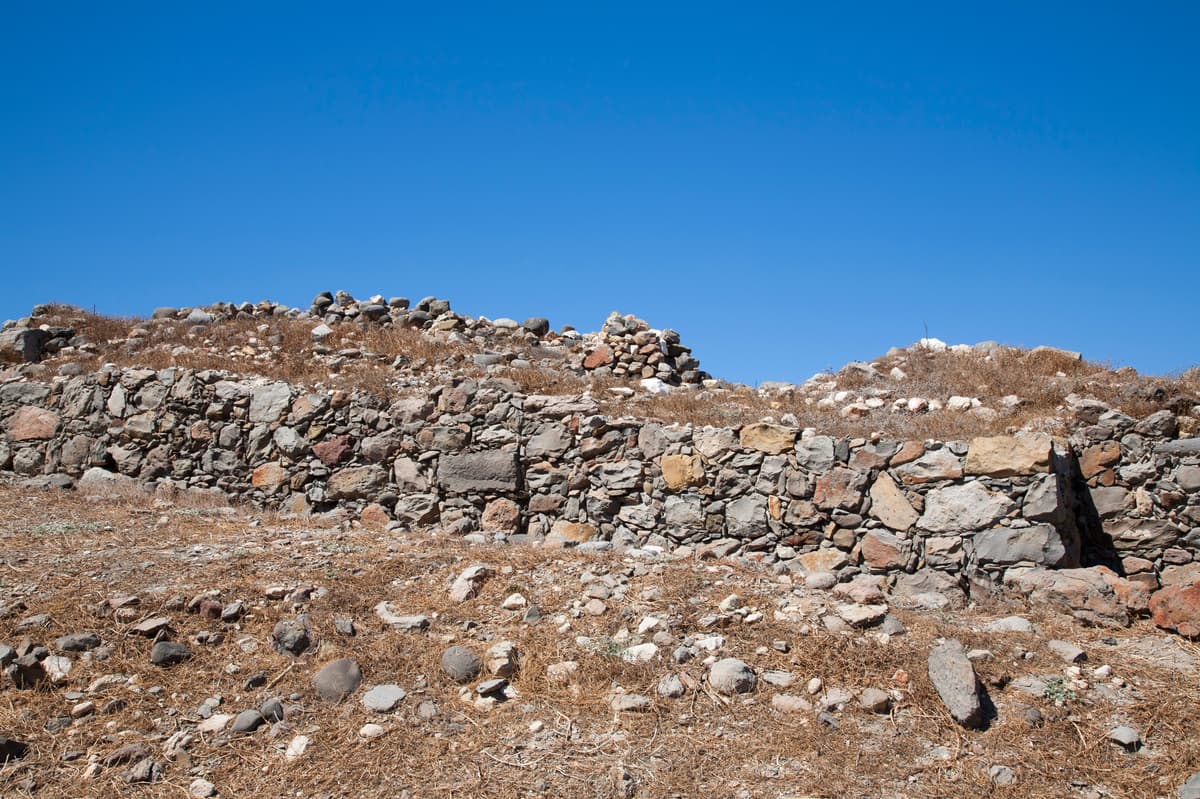
- •Excavations revealed a 207‑foot L‑shaped limestone wall lacking fortifications.
- •Radiocarbon dates place site activity between 13th and 9th BCE.
- •Burnt core contained charcoal, pottery, and metal, sealed by the wall.
- •Artifacts suggest cultural links beyond central Bosnian plateaus.
Pulse Analysis
The partnership between amateur metal detectorists and professional archaeologists is redefining how Balkan prehistory is explored. While detectorists often focus on personal treasure hunting, their finds can trigger systematic scientific investigations, as seen at Begića Glavica. The initial hoard of small metal buttons and belt ornaments provided a tangible clue that the plateau held deeper cultural layers, prompting a multidisciplinary team to conduct stratigraphic digs, radiocarbon dating, and material analyses. This collaborative model not only accelerates site discovery but also ensures that artifacts are recorded within their proper archaeological context.
The L‑shaped limestone wall at Begića Glavica challenges conventional assumptions about hilltop fortifications in the Late Bronze Age. At only ten feet tall and extending 207 feet, the structure appears designed to seal a central burnt area rather than repel attackers. Such a configuration suggests a ritualistic function—perhaps demarcating sacred space or preserving the memory of communal feasting events. Comparable non‑defensive stone arrangements are rare in the region, making this site a unique case study for scholars investigating the evolution of ceremonial architecture and collective memory in early Iron Age societies.
Beyond its architectural intrigue, the site’s material culture points to extensive cultural networks. The metal buttons, belt buckles, and simple sheets display stylistic traits linked to distant Adriatic and Danubian groups, implying trade or exchange routes that traversed the central Bosnian plateaus. The presence of imported pottery styles within the burnt core further supports this view. As archaeologists plan additional trenches, they aim to uncover more evidence of ritual behavior and external influences, potentially rewriting narratives about socioeconomic complexity in the Balkans during the 13th‑9th centuries BCE.
Metal Detectorists Found an Ancient Hoard That Led to a Mysterious Structure
Comments
Want to join the conversation?
Loading comments...