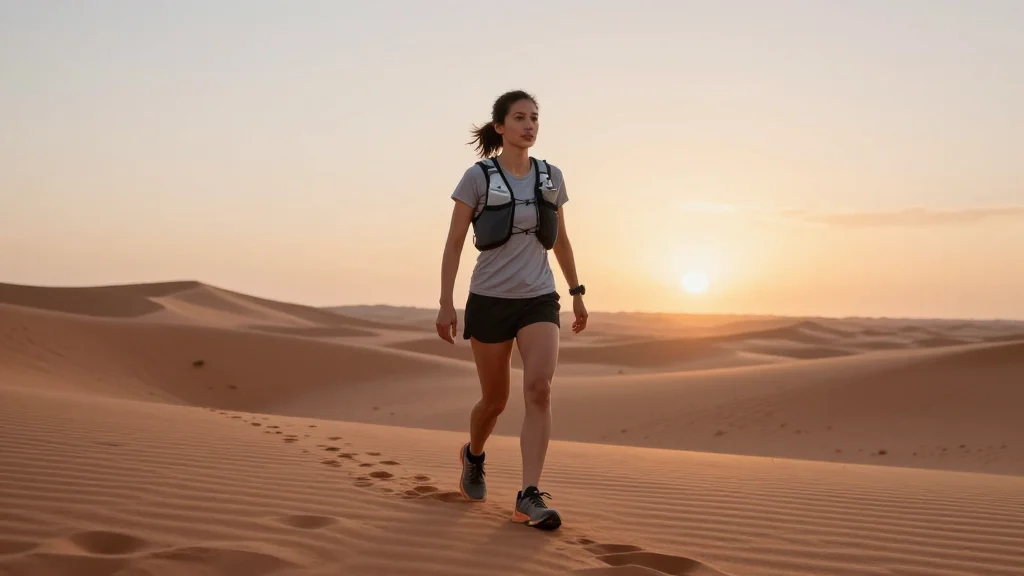
Mexican Ultrarunner Tania Carmona Prepares for 400‑km La Cocodona 250 Extreme Race

Why It Matters
Carmona’s participation in La Cocodona 250 underscores the expanding reach of ultrarunning beyond traditional strongholds in North America and Europe, positioning Mexico as a breeding ground for world‑class endurance athletes. Her high‑profile attempt brings attention to the logistical and physiological challenges of multi‑day races, potentially attracting sponsors, media coverage, and increased participation in similar events across Latin America. Moreover, her narrative of reusing proven gear and a disciplined block‑running approach offers a template for aspiring ultrarunners seeking cost‑effective preparation methods. The race also highlights broader climate‑adaptation themes in sport, as athletes must navigate extreme heat and cold within a single competition. Success stories like Carmona’s can inform training protocols for heat acclimation and cold‑weather endurance, contributing to safer race designs and better athlete support systems in the growing ultramarathon market.
Key Takeaways
- •Tania Carmona, first Mexican to finish the Five Deserts, is preparing for the 400‑km La Cocodona 250.
- •The race spans five days, with daytime highs above 40 °C and nighttime lows below 0 °C.
- •Carmona will run in 5‑6 hour blocks with 45‑minute rests, repeating the pattern over the entire distance.
- •She will wear the same shirt used in most of her previous desert races, emphasizing equipment continuity.
- •Live updates will be shared on the race’s YouTube channel and Carmona’s social media accounts.
Pulse Analysis
Carmona’s upcoming La Cocodona 250 effort arrives at a pivotal moment for endurance sport in Mexico. Historically, the country’s ultrarunning scene has been fragmented, with athletes often training in isolation or relying on overseas events for exposure. Carmona’s high‑visibility campaign, anchored by a clear narrative of continuity—reusing gear, applying desert‑derived tactics—creates a relatable blueprint that could democratize elite preparation for a broader base of runners.
From a market perspective, the race’s extreme temperature swing offers a natural laboratory for product testing. Outdoor apparel and nutrition brands will likely monitor her performance to validate claims about thermal regulation and energy delivery under dual stressors. If Carmona succeeds, sponsors may see a compelling case for investing in Mexican athletes, potentially catalyzing a wave of localized sponsorships that have traditionally been dominated by North American and European firms.
Looking ahead, the La Cocodona 250 could serve as a catalyst for a new class of multi‑day races in Latin America, encouraging race organizers to design events that blend desert, mountain, and climate challenges. Such diversification would not only attract international elite fields but also stimulate tourism and regional economic activity. Carmona’s story, therefore, is more than a personal quest; it is a bellwether for the commercialization and professionalization of ultrarunning across the continent.
Mexican ultrarunner Tania Carmona prepares for 400‑km La Cocodona 250 extreme race
Comments
Want to join the conversation?
Loading comments...