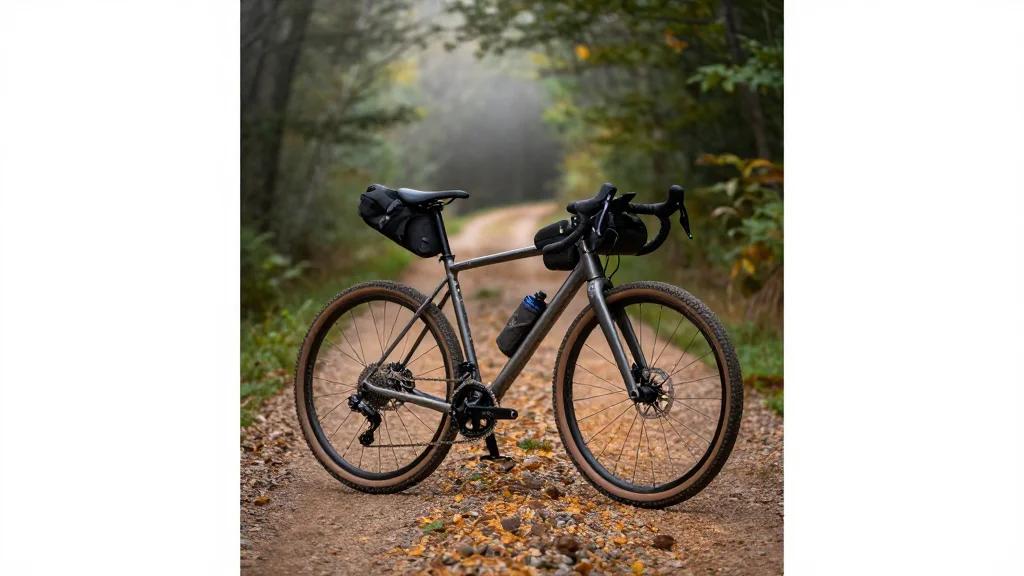
Mon Forest Gravel & Bikepacking Network Links 12 Towns Across West Virginia

Why It Matters
The launch of the Mon Forest Gravel & Bikepacking network underscores a growing national trend toward gravel and bikepacking tourism, a segment that has surged in popularity as cyclists seek low‑traffic, scenic routes. By formalizing and promoting a cohesive trail system, West Virginia can capture a share of this market, diversifying its tourism portfolio beyond traditional attractions like hiking and white‑water rafting. Moreover, the initiative demonstrates how collaborative regional planning—bringing together multiple towns, a partnership organization, and state tourism agencies—can create infrastructure that benefits both visitors and residents. The economic infusion from increased cyclist traffic could help sustain small businesses, create seasonal jobs, and fund ongoing trail maintenance, establishing a virtuous cycle of investment and growth.
Key Takeaways
- •Mon Forest Gravel & Bikepacking network launched May 7, 2026
- •More than 60 curated routes spanning 12 towns in eight counties
- •Routes available via monforesttowns.org and Ride With GPS
- •Project positioned as one of the largest East‑Coast gravel networks
- •Anticipated boost to rural tourism and local economies
Pulse Analysis
Gravel riding has evolved from a niche pastime into a mainstream outdoor activity, driven by a desire for adventure off the beaten path and a backlash against crowded road cycling. The Mon Forest network taps into this momentum, offering a ready‑made, well‑marked system that can attract cyclists who might otherwise travel to more established hubs in Colorado or Utah. By leveraging existing forest gravel roads, the partnership minimizes capital outlay while maximizing impact, a model that could be replicated in other regions with underutilized rural roadways.
Historically, West Virginia’s tourism strategy has centered on its Appalachian heritage, outdoor festivals, and water recreation. The new network adds a modern, active‑travel dimension that aligns with younger, experience‑seeking demographics. If the projected visitor influx materializes, the state could see a measurable uptick in ancillary spending—fuel, food, lodging—that supports small‑town economies long after the cyclists have left the trail.
Looking ahead, the network’s success will hinge on sustained maintenance, effective marketing, and community buy‑in. As usage grows, wear on gravel surfaces and environmental concerns may prompt discussions about funding mechanisms, such as trail user fees or public‑private partnerships. The Mon Forest initiative thus serves as both a catalyst for economic revitalization and a test case for balancing recreation with conservation in the Appalachian region.
Mon Forest Gravel & Bikepacking Network Links 12 Towns Across West Virginia
Comments
Want to join the conversation?
Loading comments...