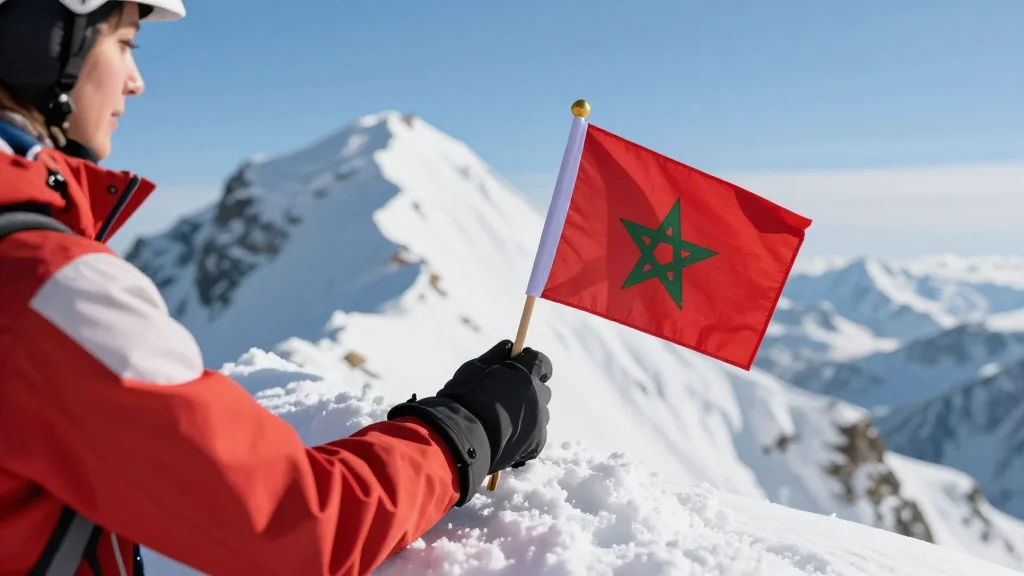
Moroccan Climber Nawal Sfendla Plants Flag on Everest, First From Her Nation

Why It Matters
Sfendla’s summit marks a watershed moment for Morocco’s representation in extreme sports, demonstrating that athletes from non‑traditional climbing nations can compete at the highest levels. The achievement also provides a powerful narrative for gender equity in sport, showing that Moroccan women can excel in physically demanding, high‑visibility arenas. By raising the flag on Everest, Sfendla has created a rallying point for national pride and a catalyst for investment in outdoor infrastructure, training, and youth development programs. The broader outdoor industry stands to benefit as well. Increased media attention on Moroccan mountaineering can attract tourism to the Atlas Mountains and other domestic climbing sites, encouraging foreign operators to partner with local guides. This could diversify Morocco’s tourism portfolio beyond its historic cultural attractions, generating economic opportunities in remote regions.
Key Takeaways
- •Nawal Sfendla became the first Moroccan to summit Mount Everest (8,848 m).
- •She raised the Moroccan flag at the summit, sparking nationwide celebration.
- •Sfendla’s climbing résumé includes Kilimanjaro, Aconcagua, El Brus, Denali and Manaslu.
- •Her achievement is expected to boost youth participation and female representation in Moroccan adventure sports.
- •Moroccan authorities are considering new funding and training programs to nurture high‑altitude talent.
Pulse Analysis
Sfendla’s Everest ascent arrives at a time when the global outdoor market is expanding beyond traditional strongholds. Brands are increasingly looking for authentic stories from emerging regions to diversify their narratives, and Morocco now offers a compelling case study. The country’s relatively untapped high‑altitude terrain, combined with a youthful population eager for new challenges, creates a fertile environment for adventure tourism operators and equipment manufacturers.
Historically, the Seven Summits have been dominated by climbers from Europe, North America and East Asia. Sfendla’s success disrupts that pattern, suggesting that with targeted investment—such as high‑altitude training facilities, sponsorship pipelines, and international partnerships—North‑African nations can become new hubs for elite mountaineering. This could prompt a reallocation of sponsorship dollars toward athletes from under‑represented markets, reshaping the competitive landscape for outdoor brands.
Looking forward, the key question is whether Morocco can translate this singular triumph into a sustainable ecosystem. If government agencies and private sponsors follow through with structured programs, we may see a pipeline of Moroccan climbers tackling other 8000‑meter peaks, which would reinforce the country’s brand as a destination for serious alpinists. Conversely, without institutional support, the momentum could dissipate, leaving Sfendla’s achievement as an isolated anecdote. The next few years will reveal whether this historic flag‑raising becomes the foundation of a broader movement or remains a singular milestone.
Moroccan Climber Nawal Sfendla Plants Flag on Everest, First From Her Nation
Comments
Want to join the conversation?
Loading comments...