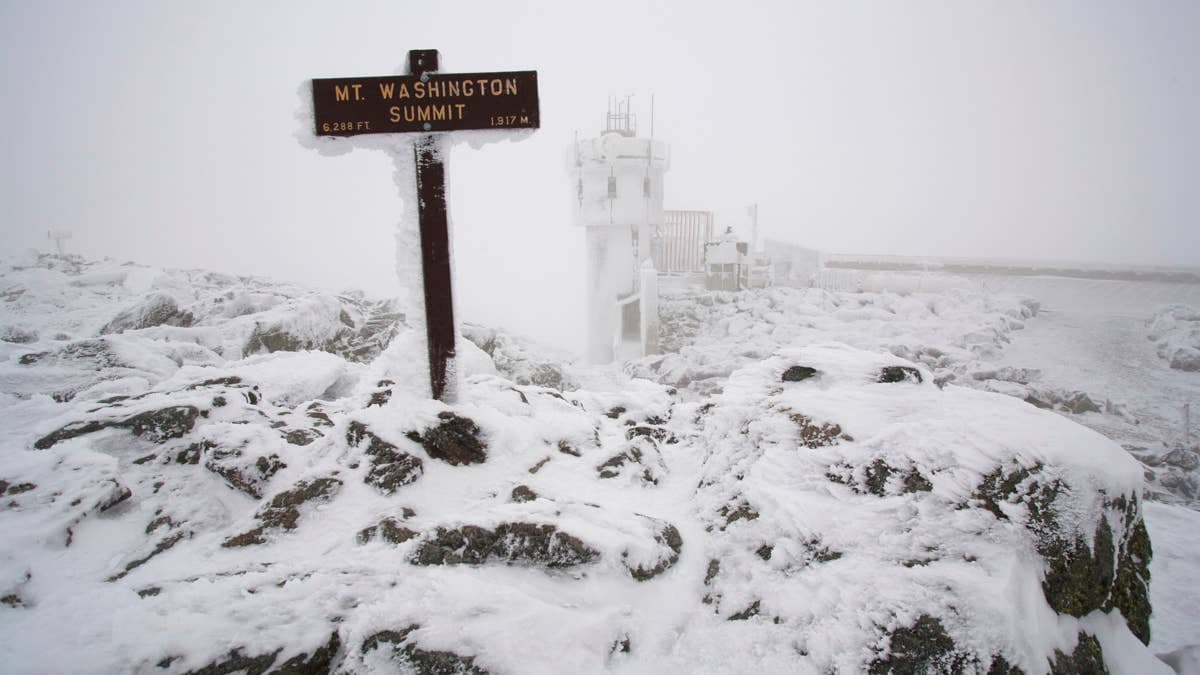
Mount Washington Could Join the World’s Most Elite List of Natural Wonders
Why It Matters
UNESCO recognition could drive significant tourism revenue and federal investment, while also raising stewardship challenges for a fragile alpine environment.
Key Takeaways
- •Mount Washington Commission voted 9‑1 for UNESCO tentative list
- •Senator Jeanne Shaheen publicly supports the World Heritage bid
- •Designation could increase tourism and infrastructure funding
- •Critics fear visitor overload may strain the mountain’s ecosystem
- •UNESCO process may take years and needs federal approval
Pulse Analysis
UNESCO’s World Heritage List is reserved for places that exhibit outstanding natural or cultural value, and only a handful of American landscapes have earned the label, including Yellowstone, Olympic and the Great Smoky Mountains. Mount Washington, rising to roughly 6,000 feet and famed for extreme weather, is now being positioned for the tentative list—a prerequisite step that signals a formal intent to meet UNESCO’s rigorous criteria. The move reflects a broader regional strategy to showcase New England’s unique alpine environment on a global stage, leveraging the prestige that accompanies the designation.
Proponents argue that UNESCO status could transform Mount Washington into a year‑round magnet for hikers, skiers and sightseers, injecting millions of dollars into the local economy. Increased visitation would justify upgrades to the historic cog railway, the auto road and visitor centers, while unlocking federal grants earmarked for heritage conservation. For New Hampshire’s tourism‑dependent towns, the prospect of higher hotel occupancy, restaurant sales and outdoor‑gear rentals is especially enticing, as the state seeks to diversify revenue beyond its traditional summer‑season peaks.
Yet the enthusiasm is tempered by legitimate concerns over carrying capacity and ecological preservation. Mount Washington’s fragile alpine tundra, already stressed by climate change, could suffer from amplified foot traffic and vehicle emissions if visitor numbers surge. Conservationists warn that without a robust management plan, the mountain’s iconic weather‑recording stations and historic structures may be jeopardized. Moreover, the UNESCO nomination must clear a multi‑layered approval process involving the State Historic Preservation Office, the National Park Service and ultimately Congress, making the timeline uncertain.
Mount Washington Could Join the World’s Most Elite List of Natural Wonders
Comments
Want to join the conversation?
Loading comments...