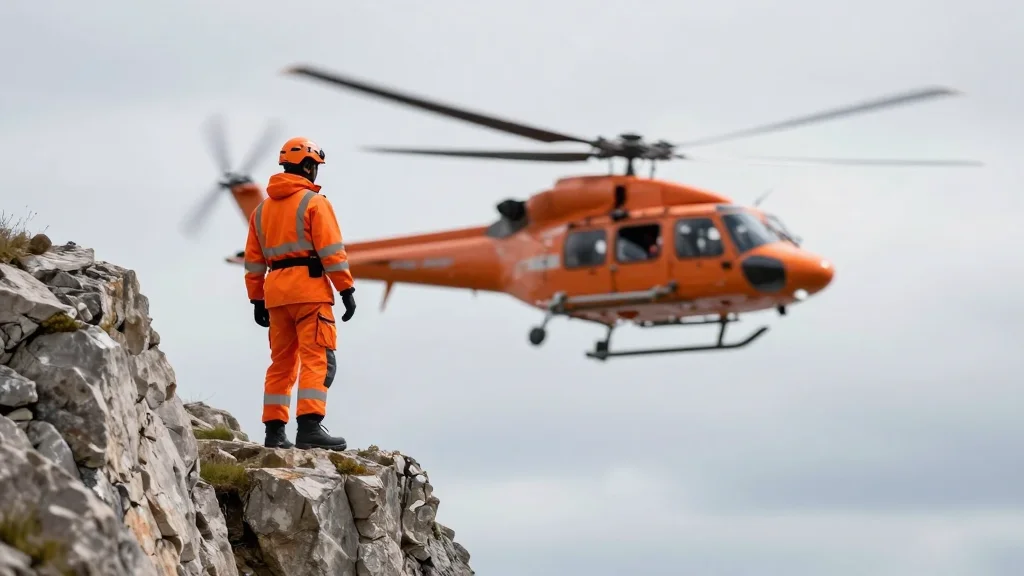
Multi‑Agency Rescue Saves 60‑Year‑Old After 50‑Metre Fall at Raven Crag

Why It Matters
The Raven Crag rescue illustrates the growing pressure on volunteer rescue organizations as outdoor participation surges. It also brings safety infrastructure at popular climbing sites into focus, prompting policymakers to consider investments in signage, trail maintenance, and public education. The incident may catalyze broader discussions about how to balance open access with risk mitigation in protected natural areas. For the outdoor industry, the event underscores the importance of responsible tourism and the role of local authorities in safeguarding visitors. Improved safety measures could protect vulnerable demographics, such as older hikers, while preserving the appeal of iconic locations like the Lake District.
Key Takeaways
- •60‑year‑old woman fell 50 m at Raven Crag on April 19, 2026
- •Rescue involved Keswick MRT, Coastguard Rescue 895 and a helicopter winch
- •Operation lasted 3 hours 30 minutes; 15 MRT members participated
- •Spokesperson praised Coastguard: "Many thanks to R895 for their assistance. Some impressive flying."
- •Incident spurs calls for better signage and trail maintenance at popular crags
Pulse Analysis
The Raven Crag incident arrives at a moment when the UK’s outdoor sector is experiencing unprecedented growth. Post‑COVID, national park visitation has risen by roughly 20% year‑over‑year, stretching the capacity of volunteer rescue outfits that traditionally operate on limited budgets. This rescue, the 46th for Keswick MRT this year, signals a tipping point: the demand for professionalized, well‑funded rescue services is becoming a public safety imperative.
Historically, mountain rescue in the UK has relied on a patchwork of local charities, but recent high‑profile rescues have prompted a policy shift toward greater state involvement. The successful coordination between Keswick MRT, Coastguard 895 and air‑ambulance crews demonstrates the benefits of integrated response frameworks, yet the resource intensity of a three‑hour operation highlights the need for preventive strategies. Investing in trail engineering, real‑time hazard alerts, and visitor education could reduce the frequency of such costly rescues.
Looking forward, the Lake District National Park Authority may need to adopt a more proactive stance, leveraging data from incidents like this to prioritize risk mitigation. For outdoor retailers and tour operators, the story reinforces the market for safety gear and guided experiences that emphasize risk awareness. Ultimately, the Raven Crag rescue is a microcosm of the broader challenge: ensuring that the surge in outdoor recreation does not outpace the safety infrastructure that protects participants.
Multi‑Agency Rescue Saves 60‑Year‑Old After 50‑Metre Fall at Raven Crag
Comments
Want to join the conversation?
Loading comments...