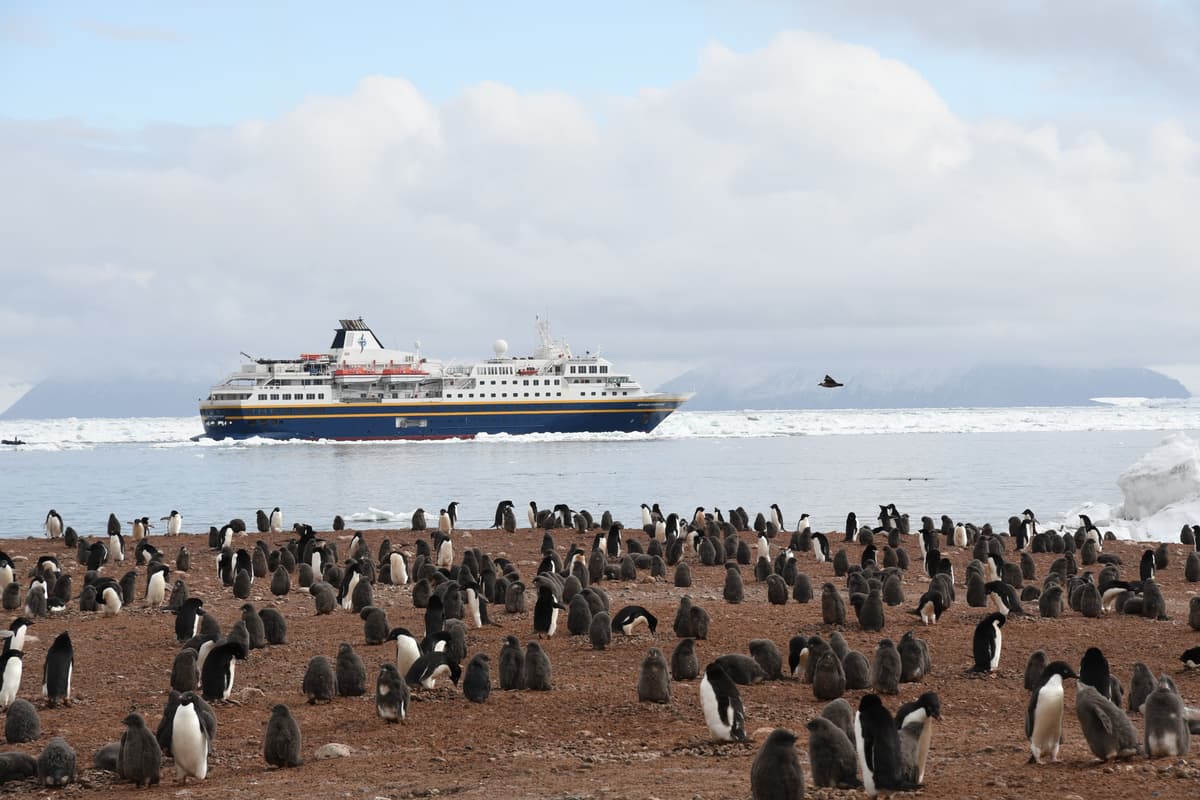
My Journey to See All 19 Penguin Species in the Wild, From Antarctica to Tristan Da Cunha to New Zealand's Subantarctic Islands
Why It Matters
The story underscores how premium expedition tourism fuels both economic growth for cruise operators and conservation awareness for endangered penguin populations.
Key Takeaways
- •Expedition cruises now target all 19 penguin species for niche travelers
- •Yellow‑eyed penguin nests total just 143, making sightings ultra‑rare
- •Heritage Expeditions offers the most comprehensive Subantarctic itinerary
- •Trip costs range $6,000–$30,000, reflecting high demand and logistics
- •Penguin tourism drives funding for remote island conservation programs
Pulse Analysis
The surge in high‑end wildlife expeditions reflects a broader shift in luxury travel, where affluent travelers seek authentic, off‑the‑beaten‑path experiences. Sub‑Antarctic islands such as the Snares, Auckland and Campbell groups, as well as Tristan da Cunha, have become coveted destinations because they host the full complement of penguin species. Operators like Heritage Expeditions, Ponant and Aurora Expeditions are capitalising on this demand, curating itineraries that blend birding, marine wildlife and dramatic landscapes, often at price points between $6,000 and $30,000 per passenger. This premium pricing covers the complex logistics of remote landings, specialist guides, and stringent environmental protocols.
Beyond the allure for travelers, penguin‑focused voyages play a pivotal role in conservation. Species such as the critically endangered yellow‑eyed penguin, with only about 143 known nests, rely on protected breeding grounds that benefit from tourism‑generated funding and heightened public awareness. Expedition ships adhere to strict biosecurity measures to prevent invasive species, while on‑board naturalists educate guests on the ecological pressures facing each colony—from climate change to over‑fishing. The resulting stewardship model creates a feedback loop: informed tourists become advocates, and the revenue supports research and habitat protection.
For the cruise industry, the penguin niche offers a high‑margin growth avenue distinct from the crowded Antarctic Peninsula market. By diversifying itineraries to include the Subantarctic archipelagos and offering specialised bird‑watching programs, operators can differentiate their brand and command premium rates. As climate‑driven shifts alter penguin distribution, demand for real‑time, science‑backed experiences is likely to rise, prompting further investment in smaller, more agile vessels capable of accessing fragile shorelines. Companies that blend luxury, sustainability and expert wildlife interpretation are poised to capture the next wave of eco‑conscious travelers.
My Journey to See All 19 Penguin Species in the Wild, From Antarctica to Tristan da Cunha to New Zealand's Subantarctic Islands
Comments
Want to join the conversation?
Loading comments...