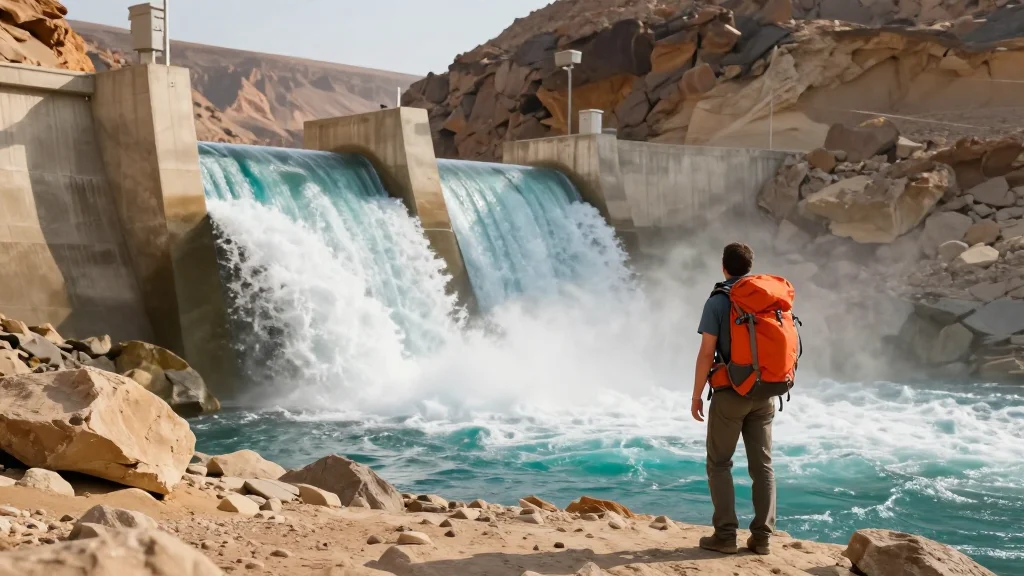
Namibia Wildlife Resorts Delays Fish River Hikes as Water Levels Surge Past 111% Capacity

Why It Matters
The delay of the Fish River trek signals how climate‑induced hydrological extremes are beginning to disrupt Namibia’s niche tourism market, which contributes significantly to rural employment and foreign exchange earnings. A prolonged suspension could force operators to diversify offerings or invest in flood‑resilient infrastructure, reshaping the business model of wilderness tourism in the region. Moreover, the incident serves as a real‑time case study for policymakers on the importance of integrating climate risk assessments into water resource management. The coordination between NamWater and NWR demonstrates a proactive approach, but repeated events may demand more robust early‑warning systems and adaptive tourism strategies to protect both visitors and the industry’s economic viability.
Key Takeaways
- •Namibia Wildlife Resorts postpones Fish River hikes after Naute Dam exceeds 111% capacity.
- •NamWater released water at 218 cm³ per second to bring dam level down to 105%.
- •The 85‑km Fish River canyon trek is open May‑September and requires self‑sufficient hikers.
- •Extreme rainfall in the catchment area caused rapid inflow, highlighting climate volatility.
- •NWR offers full refunds or re‑booking for the next season while monitoring river conditions.
Pulse Analysis
The Fish River postponement is a micro‑cosm of a broader shift in adventure tourism across arid regions. Historically, Namibia’s rugged landscapes have been marketed as reliably dry, a selling point for multi‑day treks that promise solitude and predictable conditions. The recent dam overflow challenges that narrative, forcing operators to reckon with a new risk calculus that includes flash‑flood potential and infrastructure strain.
From a market perspective, the immediate impact is a revenue gap for NWR and ancillary service providers—guides, transport firms, and local craft markets—that rely on the seasonal influx of trekkers. However, the longer‑term implication may be a catalyst for diversification. Operators could develop alternative routes less vulnerable to river swell, invest in portable water‑filtration stations, or bundle hikes with climate‑education components that appeal to eco‑conscious travelers.
Regulators and water managers also face a policy dilemma. The Naute Dam’s capacity breach underscores the need for dynamic dam‑operation protocols that balance water security, flood mitigation, and tourism interests. Collaborative frameworks, perhaps modeled on South Africa’s integrated water resource management plans, could provide real‑time data sharing between tourism operators and hydrological agencies. Such coordination would enable quicker decision‑making, reducing uncertainty for both guests and businesses.
In the coming months, the key metric to watch will be the dam’s water level trajectory and the frequency of similar rainfall events. If the trend of extreme precipitation continues, Namibia may need to re‑brand parts of its adventure portfolio, emphasizing resilience and safety over sheer wilderness allure. The Fish River case thus offers a preview of how climate adaptation will shape the future of outdoor recreation in the region.
Namibia Wildlife Resorts Delays Fish River Hikes as Water Levels Surge Past 111% Capacity
Comments
Want to join the conversation?
Loading comments...