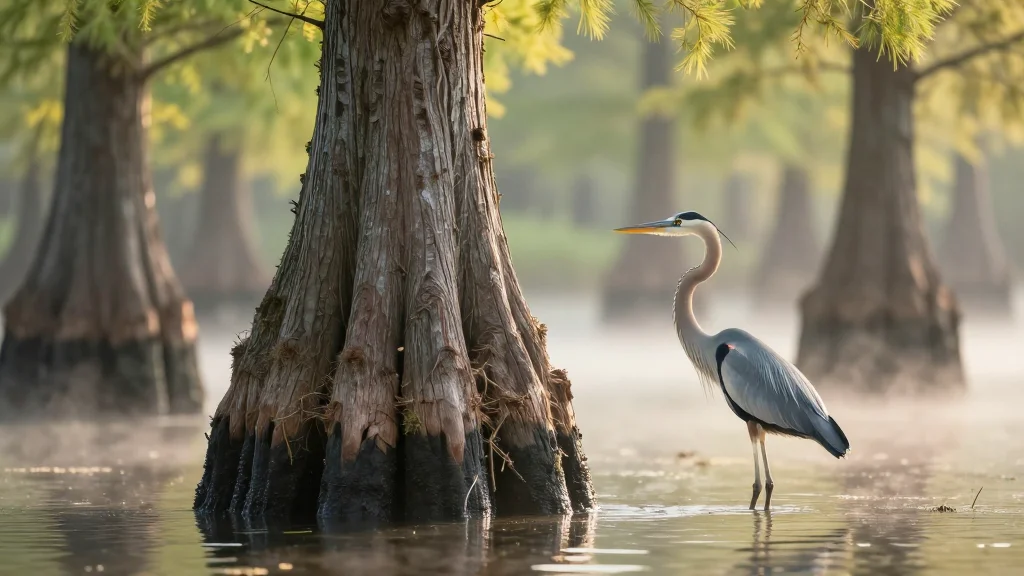
National Geographic Spotlights Big Cypress as Florida’s Wild Hidden Gem

Why It Matters
Big Cypress National Preserve sits at the intersection of adventure tourism and conservation. By highlighting its uncrowded trails and rich biodiversity, the National Geographic feature can drive a new wave of eco‑focused travelers who contribute to local economies while supporting habitat protection. The preserve’s status as the first national preserve underscores its historic role in shaping U.S. land‑management policy, and increased public awareness may bolster political backing against development pressures that threaten the ecosystem. Moreover, the article reinforces a growing consumer preference for authentic, off‑the‑beaten‑path experiences. As outdoor enthusiasts seek destinations that offer both solitude and wildlife encounters, Big Cypress could become a benchmark for how protected areas balance access with stewardship, influencing how other parks market themselves in the era of sustainable travel.
Key Takeaways
- •National Geographic features Big Cypress as Florida’s wild hidden gem.
- •The preserve spans 729,000 acres—roughly the size of Rhode Island.
- •Over 200 bird species and the endangered Florida panther call the area home.
- •Visitors can explore without crowds; the Loop Road offers a 24‑mile scenic drive.
- •Conservation focus aims to counter development threats while promoting low‑impact tourism.
Pulse Analysis
The National Geographic spotlight arrives at a pivotal moment for outdoor recreation. Post‑pandemic travel trends show a surge in demand for destinations that combine natural immersion with low visitor density. Big Cypress, with its expansive acreage and proximity to urban centers, is uniquely positioned to capture this market. However, the influx of attention also raises the risk of overtourism, a challenge that many protected areas are grappling with. The preserve’s management strategy—emphasizing education, strict wildlife interaction guidelines, and partnerships with vetted tour operators—mirrors best practices seen in places like Yellowstone’s backcountry permits and Alaska’s wilderness lodges.
Historically, national preserves were created to allow limited use while preserving ecological integrity. Big Cypress, the inaugural preserve, set a precedent that continues to influence federal land policy. Its current branding as a “hidden gem” could revitalize that legacy, attracting funding and political support for additional protective measures. The narrative also aligns with a broader shift in the outdoor industry toward sustainability certifications and carbon‑neutral travel packages, suggesting that future operators may bundle Big Cypress trips with conservation contributions.
Looking forward, the key will be monitoring visitor numbers against ecological indicators. If the preserve can maintain its low‑impact ethos while accommodating a modest rise in tourism, it could serve as a template for other under‑utilized public lands. Conversely, unchecked growth could strain wildlife habitats and erode the very solitude that makes Big Cypress appealing. Stakeholders—from the U.S. National Park Service to local businesses—must therefore coordinate on capacity limits, visitor education and revenue reinvestment to ensure the preserve remains both a wilderness refuge and a viable tourism asset.
National Geographic Spotlights Big Cypress as Florida’s Wild Hidden Gem
Comments
Want to join the conversation?
Loading comments...