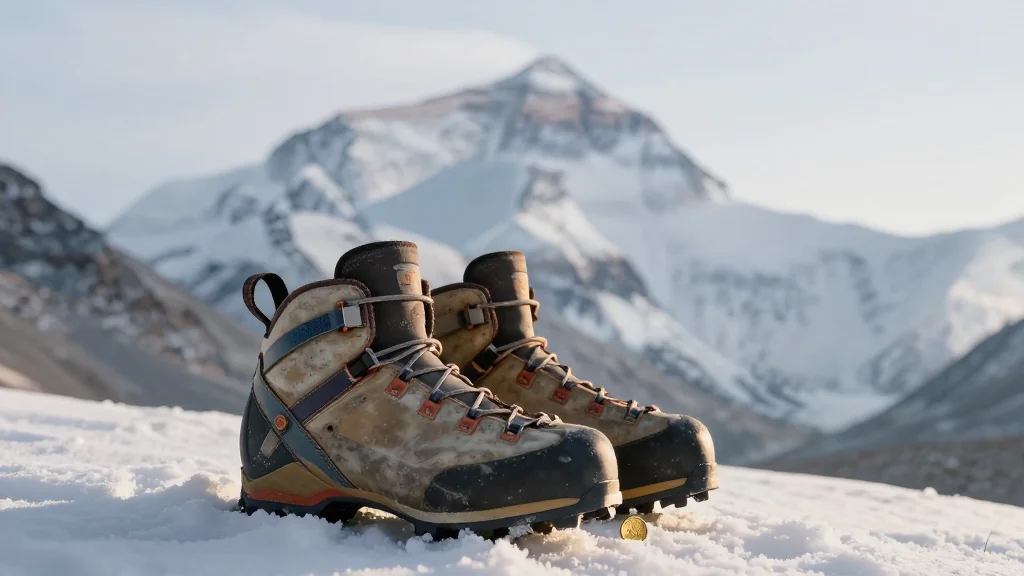
Nepal Issues 1,050 Spring 2026 Climbing Permits, Collects $7.8 Million in Royalties

Why It Matters
The $7.84 million royalty haul underscores how vital high‑altitude climbing is to Nepal’s economy, providing a significant share of tourism revenue in a country where foreign exchange earnings are limited. The concentration of income on Everest also exposes fiscal risk; any disruption—whether from weather, geopolitical tensions, or regulatory changes—could sharply affect national coffers. Moreover, the growing participation of women and the modest rise in climbs on lesser‑known peaks suggest a diversification of the market, which could spread economic benefits to remote communities and reduce environmental pressure on the most trafficked routes. At the same time, the sheer volume of permits—1,050 for a single season—raises concerns about trail degradation, waste management, and rescue capacity. Policymakers will need to reconcile the lure of higher royalties with the imperative to protect fragile alpine ecosystems and ensure climber safety, especially as climate change alters weather patterns and glacier stability across the Himalayas.
Key Takeaways
- •1,050 climbing permits issued for spring 2026 across 29 Himalayan peaks
- •Royalty revenue reached approximately $7.84 million (Rs 1.16 billion)
- •Everest accounted for 464 climbers and $6.79 million (87% of royalties)
- •Climbers represented 78 countries; China led with 139 participants
- •Women comprised 256 of the 1,050 climbers, just under 25% of the total
Pulse Analysis
The spring 2026 permit surge cements Nepal’s position as the world’s premier high‑altitude climbing hub, but it also spotlights structural vulnerabilities. Everest’s outsized share of royalties—87%—means that the nation’s tourism revenue is heavily tethered to a single mountain. Any future restrictions, such as tighter quota limits or higher permit fees, could dramatically reshape the fiscal landscape. Conversely, the modest rise in climbs on peaks like Makalu II hints at a nascent market for alternative experiences, which could be cultivated through targeted marketing and infrastructure investment.
From a competitive standpoint, Nepal faces growing pressure from neighboring countries like Pakistan and China, which are expanding their own permit frameworks for peaks such as K2 and Shishapangma. To retain its edge, Nepal must balance accessibility with sustainability. Implementing stricter waste protocols, expanding high‑altitude medical facilities, and leveraging technology for real‑time monitoring could enhance safety and environmental stewardship, thereby preserving the brand that draws climbers worldwide.
Looking ahead, the autumn 2026 window offers an opportunity to test policy adjustments without jeopardizing the peak season’s cash flow. If the government can successfully pilot a tiered royalty system that rewards climbs on less‑congested peaks, it may diversify income streams while alleviating pressure on Everest. Such a strategy would also align with broader global trends toward responsible adventure tourism, positioning Nepal as a leader not just in mountaineering volume but in sustainable mountain tourism.
Nepal Issues 1,050 Spring 2026 Climbing Permits, Collects $7.8 Million in Royalties
Comments
Want to join the conversation?
Loading comments...