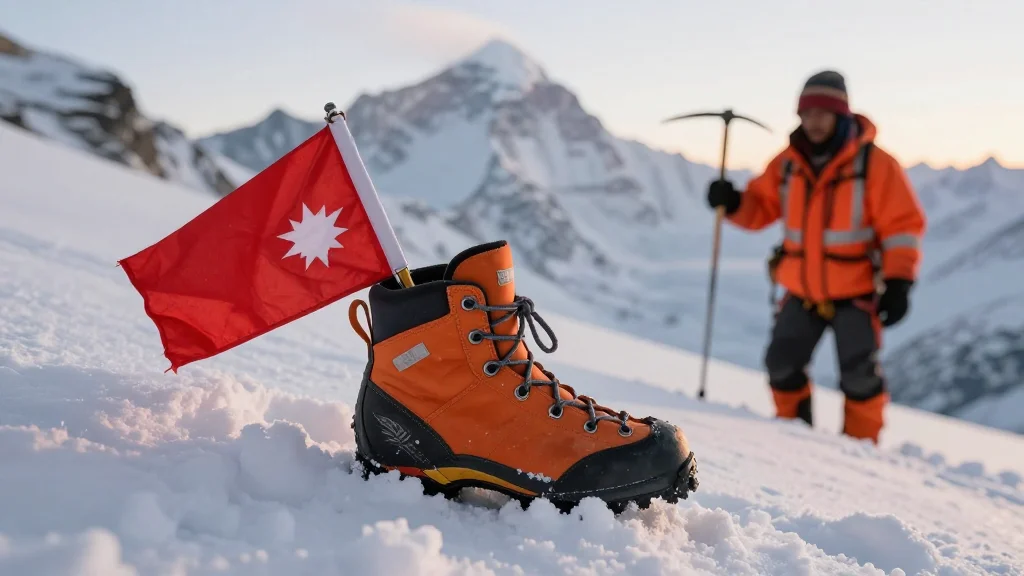
Nepali Guide Hillary Dawa Sherpa Rescued After Six Days Missing Near Everest Base Camp

Why It Matters
The rescue of Hillary Dawa Sherpa spotlights the inherent dangers of high‑altitude mountaineering and the critical role of local rescue teams. As Everest sees record numbers of climbers each season, the capacity to locate and evacuate missing individuals becomes a public safety priority. The incident also raises awareness about the physiological stresses of extreme cold and low oxygen, prompting a reassessment of equipment standards and emergency preparedness for both guides and paying clients. Furthermore, the event underscores the human dimension of the climbing industry: Sherpa guides, who form the backbone of Everest expeditions, face disproportionate risk. Their safety and well‑being directly affect the sustainability of the tourism economy that depends on their expertise. Improved rescue infrastructure and health monitoring could reduce fatalities and enhance the overall reputation of Nepal as a responsible adventure destination.
Key Takeaways
- •Hillary Dawa Sherpa rescued after six days missing near Everest Base Camp on June 4
- •Rescue carried out by Sagarmatha Pollution Control Committee and a helicopter evacuation to Kathmandu
- •Guide suffered frostbite, dehydration, and cold injuries but is conscious and receiving treatment
- •Family had begun death‑rite prayers before the rescue; wife Damu Sherpa expressed relief
- •Incident raises concerns about oxygen supply, weather forecasting, and rescue readiness on Everest
Pulse Analysis
The successful retrieval of Hillary Dawa Sherpa is a rare positive outcome in a season that has seen several high‑profile incidents on Everest. Historically, the mountain’s rescue infrastructure has lagged behind the surge in commercial expeditions, leading to criticism from the international climbing community. This case demonstrates that a coordinated effort between the SPCC, private expedition operators, and medical facilities can save lives, but it also reveals systemic gaps.
First, the reliance on a single rescue team—SPCC—highlights a bottleneck. While the committee excels at route setting and waste management, its emergency response capacity is stretched thin during peak climbing windows. Scaling up dedicated high‑altitude rescue units, equipped with specialized helicopters and medical staff trained for hypoxia and frostbite, would mitigate the risk of prolonged exposure.
Second, the incident underscores the need for stricter regulations on oxygen logistics. Hillary Dawa’s disappearance coincided with a period of low oxygen availability, a factor that has contributed to multiple fatalities in recent years. Mandating redundant oxygen supplies for guides and climbers could reduce the likelihood of similar emergencies.
Finally, the emotional narrative—family prayers, a partner’s tribute, and the guide’s nickname “Hillary”—humanizes the often‑abstract statistics of mountaineering risk. Media coverage that captures these personal stories can drive policy change by putting pressure on tour operators and the Nepalese government to prioritize safety over profit. If the lessons from this rescue translate into concrete reforms, the industry may see a decline in preventable deaths and an increase in sustainable, responsible adventure tourism.
Overall, the episode serves as both a cautionary tale and a proof of concept: with adequate resources, coordination, and policy, even the most remote and hostile environments can become safer for those who brave them.
Nepali Guide Hillary Dawa Sherpa Rescued After Six Days Missing Near Everest Base Camp
Comments
Want to join the conversation?
Loading comments...