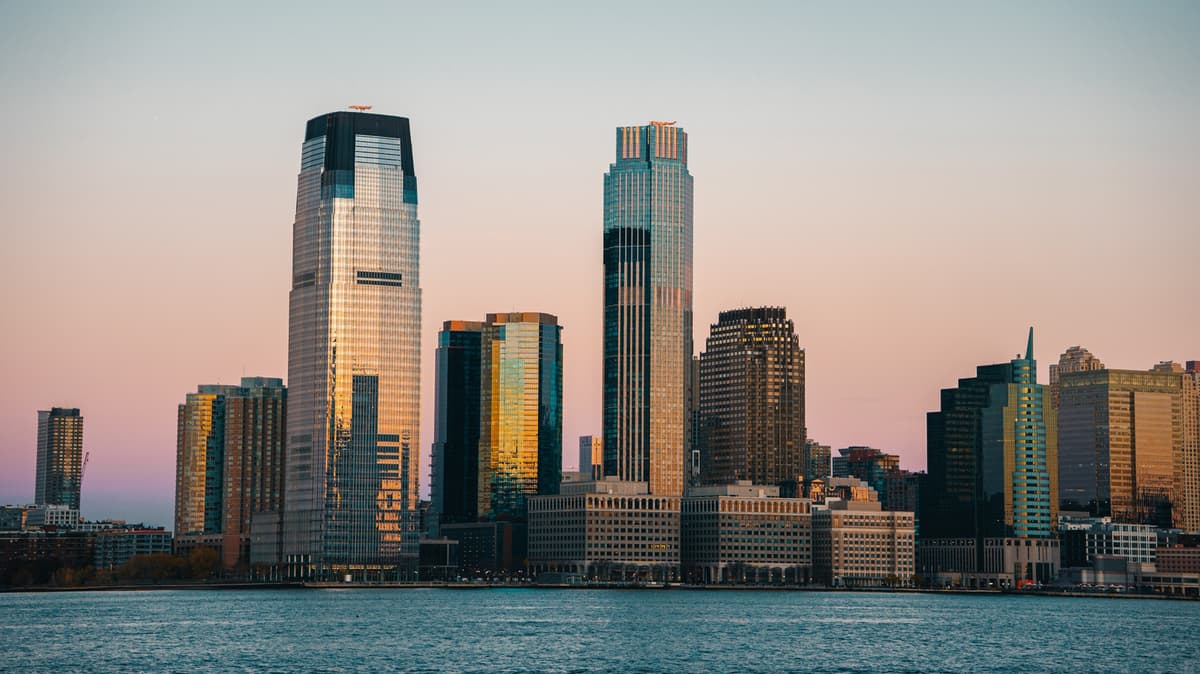
New Jersey's Oldest City Has A Waterfront Walkway, Abundant Urban Parks, And Water Fun
Companies Mentioned
Why It Matters
The waterfront redevelopment showcases how strategic urban planning can drive real‑estate value, tourism and economic diversification, positioning Jersey City as a model for post‑industrial revitalization.
Key Takeaways
- •18.5‑mile Hudson Waterfront Walkway links nine municipalities
- •Over 300,000 residents enjoy abundant parks and river recreation
- •Jersey City ranked 2nd most walkable U.S. city in 2025 study
- •Liberty State Park offers direct ferry access to Ellis Island
- •Diverse culinary scene spans Indian, Italian, French, and upscale waterfront dining
Pulse Analysis
Jersey City’s waterfront renaissance illustrates a broader trend of converting underutilized industrial zones into high‑value mixed‑use districts. By pairing iconic skyline developments like the Goldman Sachs Tower with public amenities—an 18.5‑mile promenade, Liberty State Park and Newport Green Park—the city has attracted both residential demand and corporate investment. Real‑estate values have risen sharply, and the area now serves as a financial extension of Manhattan, reinforcing the "Wall Street West" narrative that draws investors seeking proximity without Manhattan’s premium costs.
Walkability and green space are central to Jersey City’s appeal. The 2025 FitFlop ranking, which placed the city second nationally, reflects a compact urban fabric where major neighborhoods sit within a two‑mile radius of each other. Pedestrian‑friendly streets, bike‑friendly pathways, and seamless transit connections via PATH and the Hudson‑Bergen Light Rail reduce reliance on cars, boost public‑health outcomes, and enhance tourism. Visitors can easily transition from a morning jog along the waterfront to a ferry ride to Ellis Island, creating a seamless experience that fuels local businesses.
Cultural diversity fuels Jersey City’s economic engine. India Square, the city’s Indian culinary hub, sits alongside acclaimed Italian pizzerias like Razza and French‑inspired bakeries such as Choc O Pain. Upscale waterfront venues like Battello and ONDO cater to high‑spending diners, while venues like Loew’s Jersey Theatre and vibrant street murals draw arts patrons. This blend of food, culture and recreation not only enriches quality of life but also supports a thriving hospitality sector, positioning Jersey City for continued growth as a destination for both residents and investors.
New Jersey's Oldest City Has A Waterfront Walkway, Abundant Urban Parks, And Water Fun
Comments
Want to join the conversation?
Loading comments...