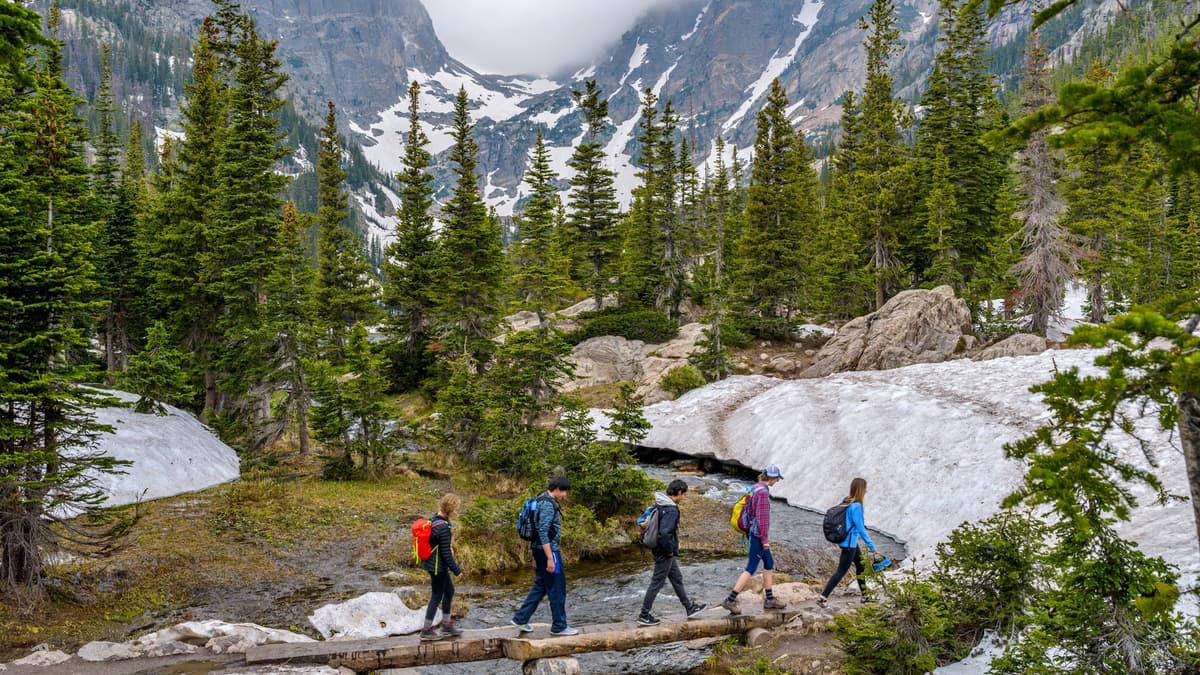
New Research in Rocky Mountain National Park Shows Most People Are Unprepared in the Wild
Why It Matters
The gap between perceived and actual preparedness raises safety risks and strains park rescue resources, underscoring the need for better education and standards for single‑day backcountry users.
Key Takeaways
- •Only 25% of trail runners deemed wilderness prepared.
- •Day hikers’ preparedness drops to 16% by study criteria.
- •88% of participants overestimate their readiness, creating safety risk.
- •Trail runners more likely to lack water treatment, increasing dehydration risk.
- •One in four runners wander off‑trail, raising navigation concerns.
Pulse Analysis
The new research from Boston University’s Center for Climate and Health shines a light on a persistent blind spot in outdoor recreation: the mismatch between self‑confidence and actual gear readiness. By surveying over 650 visitors to Rocky Mountain National Park, the authors applied a rigorous checklist of 13 essential items, water, navigation tools, and first‑aid provisions. The findings are stark—just 25% of trail runners and 16% of day hikers satisfied the criteria, yet an overwhelming 88% felt adequately prepared. This disconnect mirrors broader trends in adventure sports where optimism often eclipses safety planning.
For park managers and rescue teams, the data translate into tangible operational challenges. Rocky Mountain National Park averages 229 search‑and‑rescue incidents annually, and the study’s revelation that 13% of runners and 6% of hikers experienced near‑misses suggests that many emergencies could be averted with better preparation. The higher incidence of off‑trail navigation errors among runners (over 25%) points to a need for targeted education on route planning and the use of GPS or altimeter devices, especially at elevations above 10,000 feet where altitude sickness becomes a real threat.
Industry stakeholders can leverage these insights to promote a more robust safety culture. Outdoor retailers might bundle essential gear kits that meet the study’s seven‑item threshold, while app developers could integrate checklist reminders and real‑time altitude monitoring. Moreover, park authorities could require a brief safety briefing at trailheads, emphasizing water treatment, emergency shelters, and realistic self‑assessment. By aligning perception with preparedness, the outdoor community can reduce rescue calls, protect visitor health, and sustain the allure of wilderness adventures for years to come.
New Research in Rocky Mountain National Park Shows Most People Are Unprepared in the Wild
Comments
Want to join the conversation?
Loading comments...