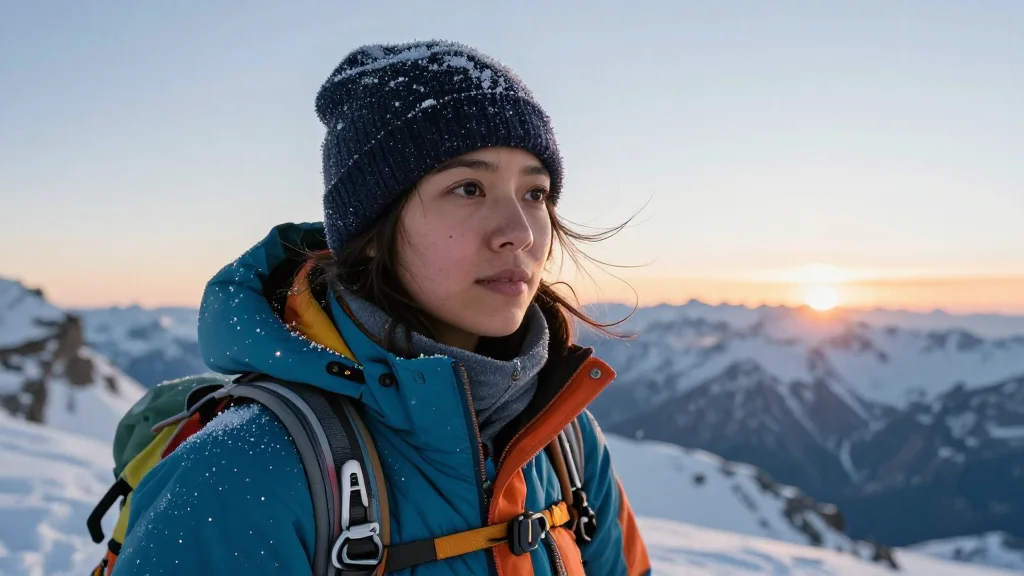
Nicole Santiago Becomes First Puerto Rican Woman to Summit Everest

Why It Matters
Nicole Santiago’s summit shatters a long‑standing visibility gap in high‑altitude mountaineering, offering a powerful example that elite adventure sports are attainable for under‑represented communities. Her story can inspire increased participation among Puerto Rican and Latina youth, prompting outdoor brands and nonprofits to invest in targeted outreach, training, and sponsorship programs. Moreover, the media attention surrounding her bedazzled gear and emotional family response humanizes the sport, potentially broadening its appeal beyond traditional audiences. The climb also highlights systemic barriers—such as funding, time off work, and access to expert guides—that many aspiring climbers face. By publicly navigating these challenges, Santiago provides a roadmap for future athletes and underscores the importance of building supportive ecosystems that can democratize access to extreme outdoor pursuits.
Key Takeaways
- •Nicole Santiago reached Everest’s summit on May 20, 2026 at 2 a.m., becoming the first Puerto Rican woman to do so.
- •She spent a year training, fundraising and securing sponsors before the expedition.
- •Santiago’s gear, including a bedazzled oxygen mask, was intentionally glittered to represent women and cultural pride.
- •She suffered frostbite on the front of her feet during the climb, underscoring the physical risks.
- •Her achievement is expected to boost representation and inspire outreach programs for Puerto Rican and Latina outdoor enthusiasts.
Pulse Analysis
Santiago’s historic ascent arrives at a pivotal moment for the outdoor industry, which is grappling with a credibility gap regarding diversity and inclusion. While participation metrics show incremental growth among minority groups, the upper echelons of adventure—especially high‑altitude mountaineering—remain overwhelmingly homogeneous. Santiago’s visibility, amplified by mainstream media, provides a rare data point that could shift corporate marketing strategies. Brands that have traditionally focused on generic outdoor narratives may now see value in aligning with culturally resonant stories, leading to more authentic sponsorships and product lines that reflect diverse aesthetics, such as her jewel‑encrusted gear.
From a market perspective, the narrative also underscores a latent demand for localized support structures. Santiago relied on a Nepali guide and an international expedition framework, a model that is financially and logistically prohibitive for many. If outdoor companies and NGOs channel resources into community‑based training hubs in Puerto Rico and similar regions, they can cultivate a pipeline of talent that feeds into elite competitions and expeditions. This could create a virtuous cycle: increased representation fuels consumer interest, which drives investment in grassroots programs, further diversifying the sport.
Looking forward, the true impact of Santiago’s climb will be measured by the actions it spurs. Will outdoor retailers develop mentorship scholarships? Will climbing gyms in Puerto Rico see a surge in enrollment? Will media outlets continue to spotlight similar achievements, normalizing the presence of women of color on the world’s most demanding peaks? The answers will determine whether this moment remains a singular headline or becomes a catalyst for lasting change in the outdoors ecosystem.
Nicole Santiago Becomes First Puerto Rican Woman to Summit Everest
Comments
Want to join the conversation?
Loading comments...