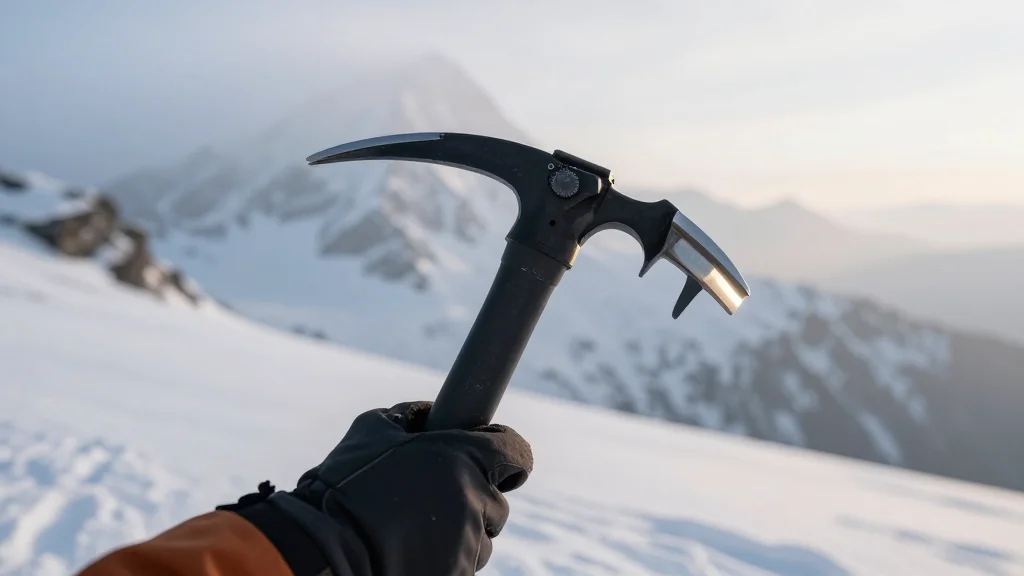
Nims Purja Sets 13‑Hour Oxygen‑Free Everest‑Lhotse Traverse Record

Why It Matters
Purja’s record redefines what is considered achievable on the world’s highest peaks, setting a new performance standard for elite climbers and commercial guides alike. By completing the traverse without oxygen or sleep, he demonstrates that extreme speed can coexist with client‑focused expeditions, potentially reshaping client expectations and prompting operators to invest in more rigorous training and acclimatization programs. The achievement also spotlights safety debates within the mountaineering community. As more expeditions market ultra‑fast, oxygen‑free climbs, regulators and local authorities may need to revisit permit criteria, emergency response protocols, and guide certification standards to ensure that the pursuit of speed does not compromise the well‑being of climbers or Sherpa support staff.
Key Takeaways
- •Nims Purja completed an oxygen‑free Everest‑Lhotse traverse in 13 hrs 42 min
- •The ascent was performed while leading a client expedition
- •Purja posted on Instagram: “No oxygen. No sleep. No limits,” and “The pain was the prize.”
- •The record challenges existing commercial guiding models and may pressure operators to offer faster, oxygen‑free climbs
- •Safety and regulatory debates are expected to intensify as speed‑focused expeditions grow
Pulse Analysis
Purja’s latest record arrives at a crossroads for high‑altitude tourism. Historically, the Everest market has been dominated by week‑long, oxygen‑supported climbs that prioritize safety over speed. Over the past decade, however, a niche of elite climbers has emerged, leveraging advances in lightweight gear, high‑altitude nutrition, and refined acclimatization schedules to shave days off summit attempts. Purja’s 13‑hour, oxygen‑free traverse compresses a feat that once required multiple days into a single, relentless push, effectively resetting the performance ceiling.
From a market perspective, the record could catalyze a shift toward premium, ultra‑fast expeditions. Operators that can guarantee a sub‑24‑hour, oxygen‑free summit for paying clients may command higher fees, attracting affluent adventurers seeking the ultimate bragging right. Yet this upside is counterbalanced by heightened liability. Guides must now manage not only the physiological limits of elite climbers but also the safety of less‑experienced clients in an environment where any lapse can be fatal. Insurance premiums for such expeditions are likely to rise, and regulators may impose stricter permit caps or mandatory oxygen‑use clauses to mitigate risk.
Looking ahead, the industry will grapple with two divergent paths: one that embraces the Purja model, investing in elite training programs and marketing ultra‑fast climbs, and another that doubles down on traditional, oxygen‑supported itineraries emphasizing safety and broader accessibility. The tension between these approaches will shape policy, guide certification, and the very narrative of what it means to climb the world’s highest peaks. Purja’s record is not just a personal triumph; it is a bellwether for the evolving economics and ethics of high‑altitude adventure tourism.
Nims Purja Sets 13‑Hour Oxygen‑Free Everest‑Lhotse Traverse Record
Comments
Want to join the conversation?
Loading comments...