Norovirus Outbreak Sickens Dozens on California’s Pacific Crest Trail

Why It Matters
The outbreak underscores how quickly communicable diseases can spread in backcountry environments, where limited medical infrastructure and shared resources amplify risk. For the outdoor recreation industry, the incident highlights the need for robust health‑safety protocols, especially as trail usage rebounds post‑pandemic. Beyond immediate health concerns, the event may influence policy discussions around funding for sanitation upgrades on federal and state trails. If similar outbreaks recur, agencies could face pressure to invest in portable hygiene stations, regular water‑quality testing, and real‑time health alerts, reshaping how long‑distance trail networks are managed.
Key Takeaways
- •Approximately 24 hikers reported norovirus symptoms on the Pacific Crest Trail’s Wrightwood segment.
- •Seven to twelve cases have been medically confirmed since May 8.
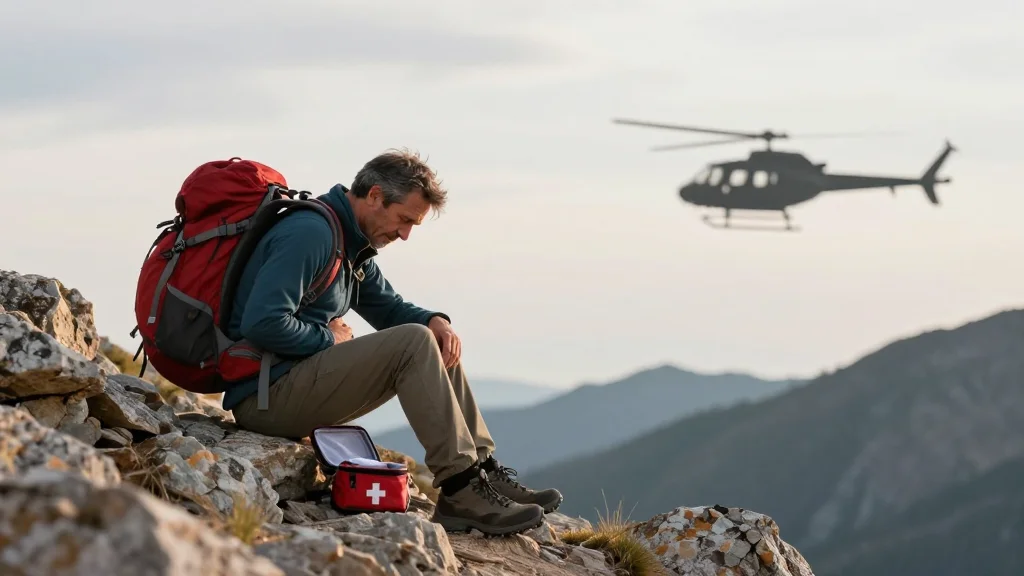
- •73‑year‑old Ron Hals was airlifted after severe dehydration.
- •PCTA is coordinating with San Bernardino County Public Health and issuing daily health bulletins.
- •Officials urge hand hygiene, sealed water, and self‑isolation for symptomatic hikers.
Pulse Analysis
The Pacific Crest Trail’s norovirus episode is a reminder that outdoor recreation is not immune to public‑health crises. Historically, trail managers have focused on wildlife‑related hazards—bear encounters, wildfires, and weather extremes—while communicable disease has received less attention. This shift mirrors broader trends in outdoor tourism, where increased foot traffic and longer trip durations create new vectors for pathogen transmission.
From a market perspective, the incident could accelerate investment in low‑cost sanitation solutions. Companies that produce portable hand‑washing kits, UV‑purifying water bottles, and biodegradable disinfectant wipes stand to benefit from heightened demand. Moreover, the episode may prompt federal agencies like the U.S. Forest Service to revisit guidelines for trail‑head facilities, potentially unlocking grant funding for hygiene infrastructure.
Looking ahead, the PCTA’s rapid communication strategy—leveraging Instagram, daily bulletins, and community forums—sets a precedent for real‑time health monitoring on remote trails. If the association can demonstrate that proactive messaging reduces secondary infections, it could become a model for other long‑distance routes such as the Appalachian Trail and the Continental Divide Trail, where similar risks loom. The key will be balancing the spirit of wilderness adventure with pragmatic health safeguards, ensuring that the trail remains a safe haven for hikers of all ages.
Norovirus Outbreak Sickens Dozens on California’s Pacific Crest Trail
Comments
Want to join the conversation?
Loading comments...