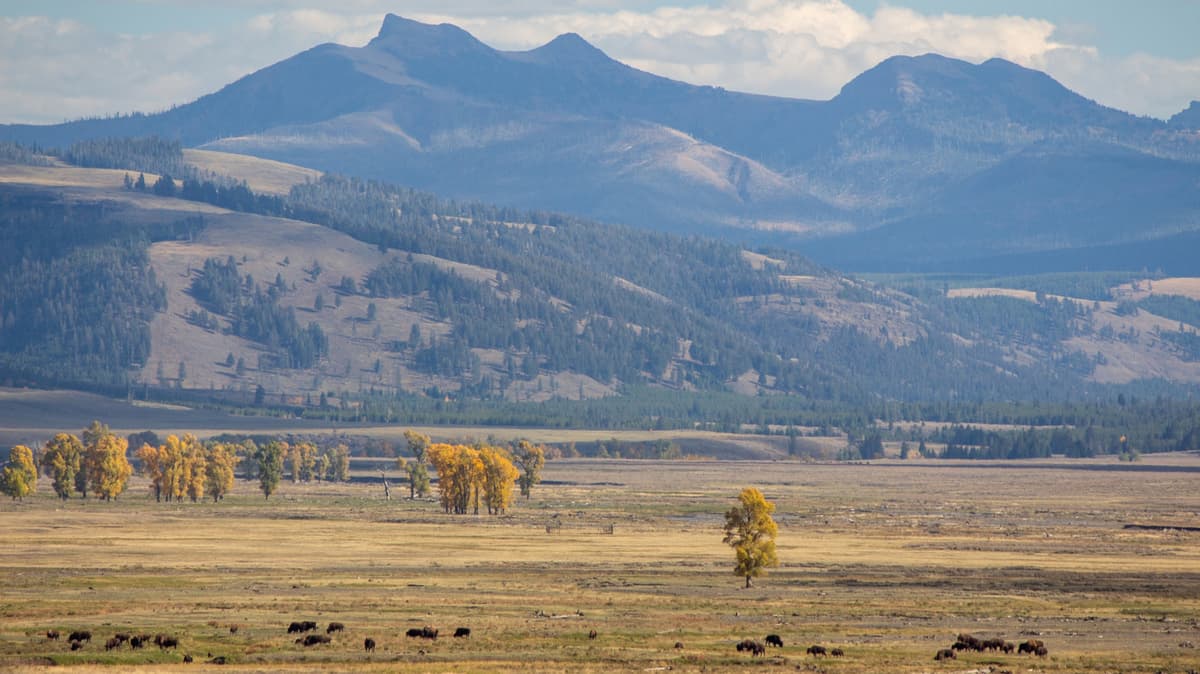
Not Yosemite, Not Great Smoky Mountains: This Popular National Park Has The Most Campsites
Why It Matters
Yellowstone’s extensive campsite inventory eases reservation pressure for a park that draws millions, supporting tourism revenue while highlighting the need for careful wildlife and resource management.
Key Takeaways
- •Yellowstone offers 2,000+ campsites across 11 campgrounds.
- •Private campgrounds start at $38/night; primitive sites as low as $20.
- •Mammoth Campground is the only year‑round, first‑come, first‑serve site.
- •Reservations required for most sites; open season varies by campground.
- •Wildlife sightings common; keep safe distance from bison and elk.
Pulse Analysis
Camping demand in America’s most visited parks often outstrips supply, forcing travelers to plan months ahead. Yellowstone stands out by providing the largest campsite footprint, a strategic advantage that distributes visitor traffic across its diverse landscapes. The park’s mix of primitive and amenity‑rich campgrounds caters to budget hikers and families seeking comfort, while its pricing tiers—from $20 for basic sites to $38 for serviced locations—reflect the varying operational costs of federal versus private management.
The reservation system is a critical component of Yellowstone’s visitor experience. Most campgrounds require bookings months in advance, aligning with the park’s seasonal closures that typically run from September or October through May or June. Mammoth Campground, however, offers a rare first‑come, first‑serve model year‑round, attracting backpackers and wildlife enthusiasts during the off‑season. Its $25 nightly fee and proximity to Mammoth Hot Springs make it a strategic base for exploring lesser‑known trails like the Beaver Ponds Loop, while also presenting unique challenges in managing human‑wildlife interactions.
For the tourism industry, Yellowstone’s expansive campsite capacity translates into steady revenue streams and a buffer against the overcrowding seen in parks like Yosemite and Great Smoky Mountains. Yet the sheer volume of campers intensifies pressures on wildlife, prompting stricter distance guidelines and educational outreach. Prospective visitors should secure reservations early, budget for amenity fees, and adhere to safety protocols to ensure both a memorable adventure and the preservation of Yellowstone’s iconic ecosystems.
Not Yosemite, Not Great Smoky Mountains: This Popular National Park Has The Most Campsites
Comments
Want to join the conversation?
Loading comments...