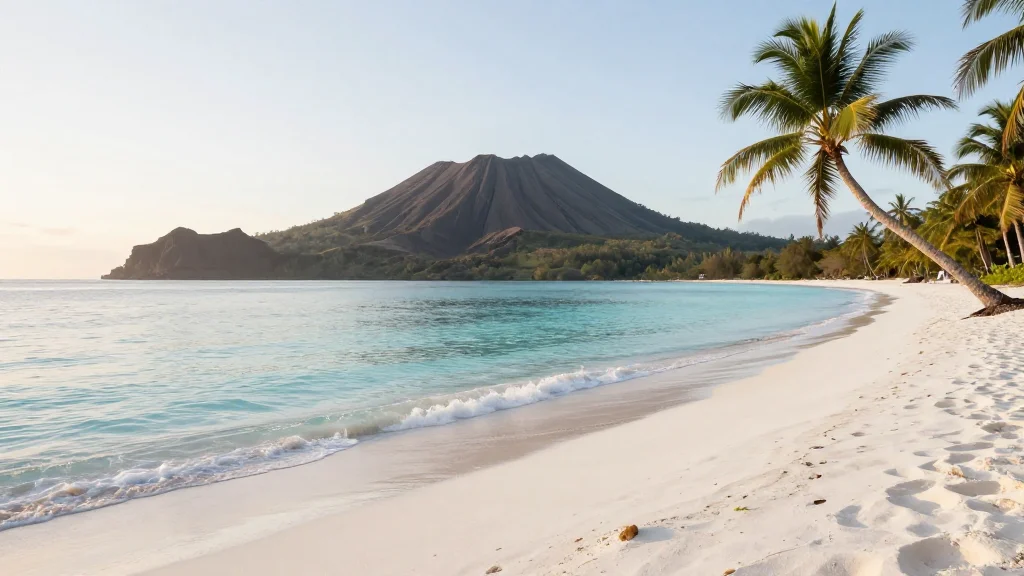
NYT Names Camiguin Island a Must‑Visit Spot for 2026, Boosting Philippine Adventure Tourism

Companies Mentioned
New York Times
Why It Matters
Camiguin’s NYT recognition elevates the Philippines’ profile in the competitive adventure‑travel sector, offering a new revenue stream for a region historically dependent on agriculture and small‑scale fishing. The island’s impending infrastructure upgrades could set a precedent for how emerging destinations balance accessibility with environmental stewardship. If managed well, Camiguin could become a model for sustainable tourism that other off‑grid locales emulate. Conversely, unchecked visitor growth risks degrading fragile ecosystems, eroding cultural practices and diminishing the very off‑grid experience that attracted travelers. The island’s experience will inform national policy on tourism development, potentially shaping future regulations on visitor caps, waste management and community benefit sharing across the archipelago.
Key Takeaways
- •Camiguin is the sole Philippine entry in the New York Times' "52 Places to Go in 2026"
- •A 64‑km coastal highway widening project is near completion, improving island connectivity
- •Direct flights from Cebu take about 1 hour; ferries from Cagayan de Oro take ~2 hours
- •Key attractions include Mount Hibok‑Hibok, Sunken Cemetery, White Island sandbar, Katibawasan and Tuasan Falls
- •Local festivals—San Juan sa Hibok‑Hibok and Lanzones—are expected to draw increased international attention
Pulse Analysis
The New York Times endorsement acts as a catalyst that can accelerate Camiguin’s transition from a niche, off‑grid hideaway to a mainstream adventure destination. Historically, such media accolades have delivered a measurable lift in visitor numbers, as seen with destinations like Iceland after its "12 Places to Visit" feature. However, Camiguin’s scale is markedly smaller, meaning the margin for error in managing tourist impact is tighter. The island’s ongoing highway project illustrates a classic development paradox: infrastructure is needed to support growth, yet it can also erode the very isolation that defines the visitor experience.
From a market perspective, Camiguin is poised to capture a segment of travelers disillusioned with overtouristed hotspots. Its volcanic landscapes, marine attractions and community‑based experiences align with the rising demand for authentic, low‑impact travel. Yet, the lack of concrete sustainability metrics—such as visitor caps, reef protection plans, or carbon‑offset programs—creates uncertainty. Stakeholders who can demonstrate rigorous environmental stewardship will likely command premium pricing and attract eco‑conscious tourists.
Looking forward, the island’s ability to harness the NYT spotlight will depend on coordinated action among government agencies, local businesses and conservation groups. If Camiguin can successfully integrate infrastructure upgrades with robust sustainability frameworks, it could set a benchmark for other emerging destinations in Southeast Asia. Failure to do so, however, could result in a classic case of over‑tourism, where the very qualities that earned the NYT praise become compromised, diminishing long‑term economic and ecological value.
NYT Names Camiguin Island a Must‑Visit Spot for 2026, Boosting Philippine Adventure Tourism
Comments
Want to join the conversation?
Loading comments...