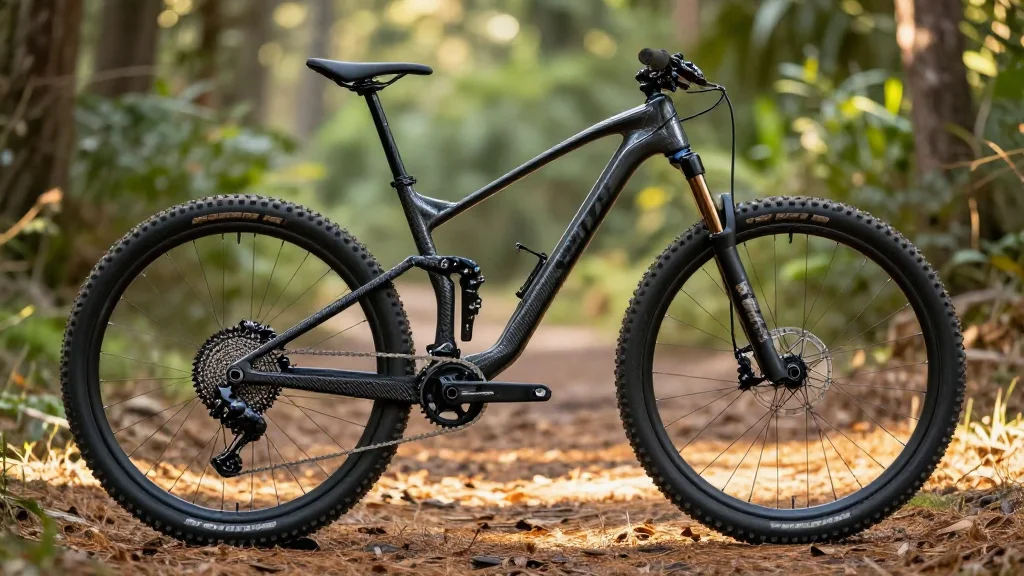
Orbea Launches Updated Oiz XC Bike at 1.7 Kg, Prioritizing Stiffness Over 32‑Inch Wheels

Companies Mentioned
Why It Matters
The Oiz’s launch arrives at a pivotal moment for cross‑country cycling, where manufacturers are balancing the lure of larger wheel diameters against the timeless virtues of low weight and precise handling. By delivering a sub‑1.8 kg carbon frame and refusing to adopt 32‑inch wheels, Orbea signals that a segment of the market still values the traditional XC formula—lightness, stiffness, and responsive geometry. For outdoor athletes, the bike offers a tangible performance edge on technical terrain, where every gram and degree of stiffness can translate into seconds saved on race day. Moreover, the use of forged‑aluminum linkages and advanced carbon compaction reflects a broader industry trend toward hybrid material solutions that cut weight without sacrificing durability. As the outdoor gear market continues to innovate, Orbea’s approach may influence competitors to revisit material choices and question the universal shift to larger wheels, keeping the performance debate alive for years to come.
Key Takeaways
- •Updated Oiz frame weight: 1,700 g (medium size)
- •Forged‑aluminum linkage is 30 % lighter than previous version
- •Geometry changes: chainstay -2 mm, steeper seat tube, head angle slackened 0.2°
- •120 mm rear travel, compatible with 130 mm fork
- •Orbea retains 29‑inch wheels despite industry move toward 32‑inch
Pulse Analysis
Orbea’s refreshed Oiz arrives as the XC segment grapples with a bifurcation: the push for larger wheels versus the enduring premium on weight and stiffness. The company’s decision to stay with 29‑inch wheels is a calculated risk that leverages its reputation for engineering precision. While brands like Scott are capitalizing on the 32‑inch trend—citing improved traction on rough terrain—Orbea bets that elite racers will still favor the nimble feel of a lighter bike on technical courses. This stance could carve out a niche for riders who prioritize acceleration and handling over the marginal rollover benefits of larger wheels.
From a materials perspective, the shift to a forged‑aluminum linkage marks a subtle but meaningful evolution. Aluminum offers high strength‑to‑weight ratios and, when strategically cut, can deliver significant weight savings without the brittleness concerns of carbon in high‑stress areas. By pairing this with refined carbon compaction, Orbea demonstrates a hybrid approach that may become a template for future high‑performance frames. Competitors will likely monitor the Oiz’s market reception closely; if sales validate the weight‑first philosophy, we could see a resurgence of mixed‑material designs across the industry.
Looking ahead, the Oiz’s success will hinge on how well it performs in real‑world race conditions and whether its geometry tweaks translate into measurable time gains. Should the bike dominate early-season XC events, it could reinforce the argument that, for now, the 29‑inch wheel remains the optimal choice for elite competition. Conversely, if the 32‑inch wave continues to gain momentum, Orbea may need to revisit its wheel strategy in the next model cycle. Either outcome will shape the next chapter of XC bike development, making the Oiz a bellwether for the sport’s evolving performance priorities.
Orbea Launches Updated Oiz XC Bike at 1.7 kg, Prioritizing Stiffness Over 32‑Inch Wheels
Comments
Want to join the conversation?
Loading comments...