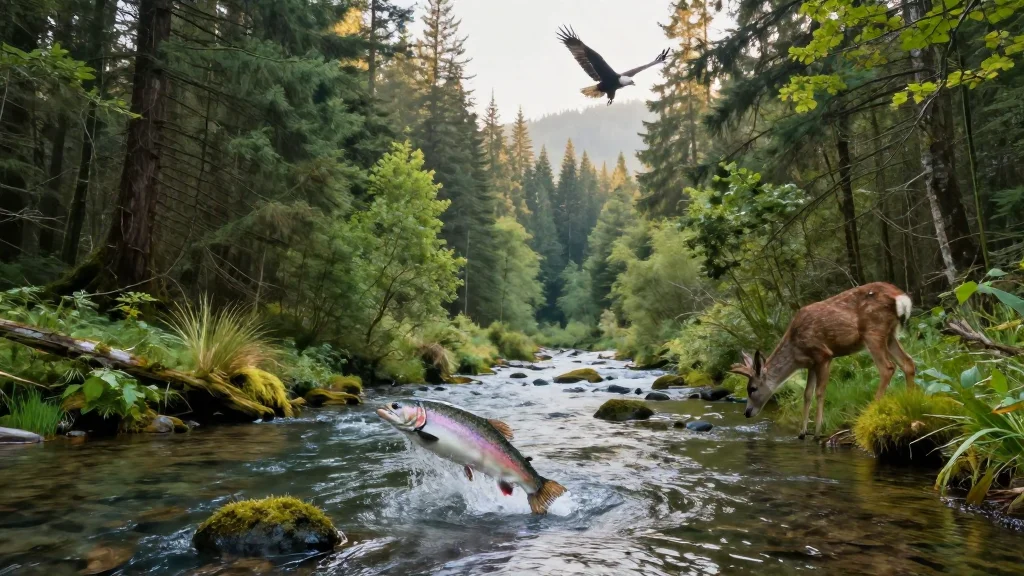
Oregon's Wildlife Action Plan Approved, New Lodging Tax Funds Conservation

Why It Matters
Securing a dedicated revenue stream for wildlife conservation addresses a chronic funding gap that has limited Oregon's ability to protect its diverse ecosystems. By linking tourism dollars directly to habitat preservation, the state aligns economic incentives with ecological outcomes, potentially creating a sustainable model for other regions. The plan also signals a shift toward proactive climate adaptation, moving beyond reactive measures to embed resilience into species recovery strategies. Successful implementation could preserve critical fisheries, maintain hunting and bird‑watching opportunities, and safeguard the cultural values tied to Oregon's natural landscapes.
Key Takeaways
- •Oregon's 2026 State Wildlife Action Plan approved by U.S. Fish and Wildlife Service
- •Plan targets over 300 at‑risk species across the state
- •House Bill 4134 adds 1.25% to transient lodging tax, earmarked for conservation starting Jan 1 2027
- •Funding shift expands beyond hunting/fishing licenses to include tourism revenue
- •Plan emphasizes climate adaptation, tribal collaboration, and habitat restoration projects
Pulse Analysis
Oregon's dual approach—formalizing a science‑driven action plan while creating a dedicated tax‑based funding stream—represents a rare alignment of policy, finance, and stakeholder consensus in the outdoor sector. Historically, wildlife agencies have relied heavily on license fees, which fluctuate with hunter and angler participation. By tapping into the broader tourism market, Oregon diversifies its revenue base and reduces vulnerability to demographic shifts in traditional outdoor sports.
The timing is strategic. As climate impacts intensify, species such as salmon face compounded threats from warming streams and altered precipitation patterns. The plan's emphasis on pre‑emptive habitat improvements could mitigate future declines, preserving both ecological function and the economic engine of sport fishing. Moreover, the collaborative framework with tribes and private landowners may accelerate on‑the‑ground actions that federal programs alone cannot achieve.
If Oregon can demonstrate measurable gains—e.g., increased salmon runs or stabilized eagle populations—within the first budget cycle, it could set a precedent for other western states grappling with similar biodiversity crises. The model leverages visitor spending to fund conservation, turning recreation into a direct investment in the landscapes that attract tourists. However, success hinges on transparent allocation, robust monitoring, and maintaining public support for the modest tax increase. The next few years will test whether this integrated strategy can deliver the promised ecological and economic dividends.
Oregon's Wildlife Action Plan Approved, New Lodging Tax Funds Conservation
Comments
Want to join the conversation?
Loading comments...