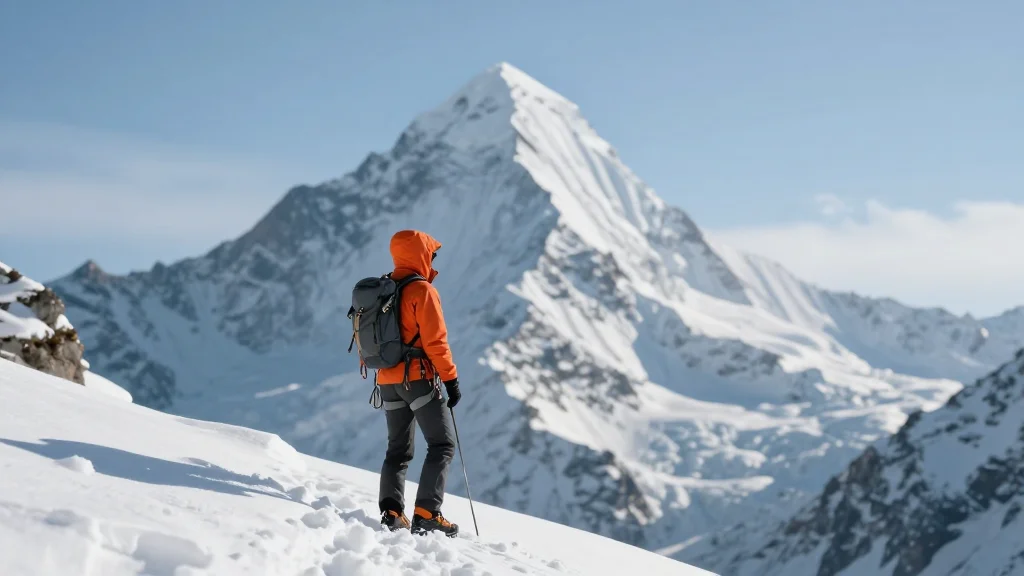
Over 270 Climbers Summit Everest in One Day, Setting New Record

Why It Matters
The unprecedented number of summits on Everest signals a seismic shift in high‑altitude tourism, with Nepal capitalising on a surge of permits and international interest. This growth fuels local economies—Sherpa guides, porters, and hospitality providers see record earnings—but it also strains the fragile mountain environment and amplifies safety risks. The record day forces policymakers, expedition operators, and conservation groups to confront how to balance commercial expansion with sustainable practices, potentially reshaping permit policies and rescue infrastructure for years to come. Moreover, the achievement highlights a broader trend of increasingly commercialized extreme sports, where record‑chasing crowds converge on iconic peaks. As more climbers—some inexperienced—join guided expeditions, the industry must grapple with ensuring that the allure of a summit does not eclipse the imperative of responsible mountaineering.
Key Takeaways
- •Over 270 climbers reached Everest's summit in a single day, breaking the previous record of 354.
- •Ideal weather and a cleared route after rope‑fixing work enabled the massive traffic flow.
- •Kami Rita Sherpa logged her 32nd summit, extending her world‑record tally.
- •One climber, Marcelo Segovia, summited without supplemental oxygen or Sherpa assistance.
- •Rescue teams reported a 50‑metre crevasse fall, underscoring heightened safety concerns.
Pulse Analysis
The record‑breaking summit day is both a triumph and a warning sign for Nepal's mountaineering sector. Historically, Everest’s climbing season has been limited by weather windows and logistical bottlenecks; this season’s unprecedented permit issuance reflects a strategic push by the Nepalese government to monetize the mountain’s global brand. While the influx of climbers injects cash into remote economies, it also accelerates wear on fixed ropes, waste accumulation, and the strain on emergency services.
From a market perspective, the surge may attract more commercial operators seeking to bundle Everest experiences with luxury trekking packages, potentially driving prices up for permits and Sherpa services. However, the incident involving Upasana Gurung illustrates that higher traffic correlates with increased accident probability, especially on the descent where fatigue is greatest. Stakeholders will likely debate whether to impose stricter caps on daily summit attempts or to invest in advanced monitoring technologies—such as satellite‑based crowd tracking—to pre‑empt dangerous congestion.
Looking ahead, the next few days will test Nepal’s capacity to manage the tail end of the season’s weather window. If conditions remain stable, we could see another wave of summits, further inflating the season’s total. Conversely, a sudden storm could force a rapid shutdown, leaving many teams stranded at high altitude and prompting costly rescues. The balance between economic ambition and safety stewardship will define the next chapter of Everest’s evolving narrative.
Over 270 Climbers Summit Everest in One Day, Setting New Record
Comments
Want to join the conversation?
Loading comments...