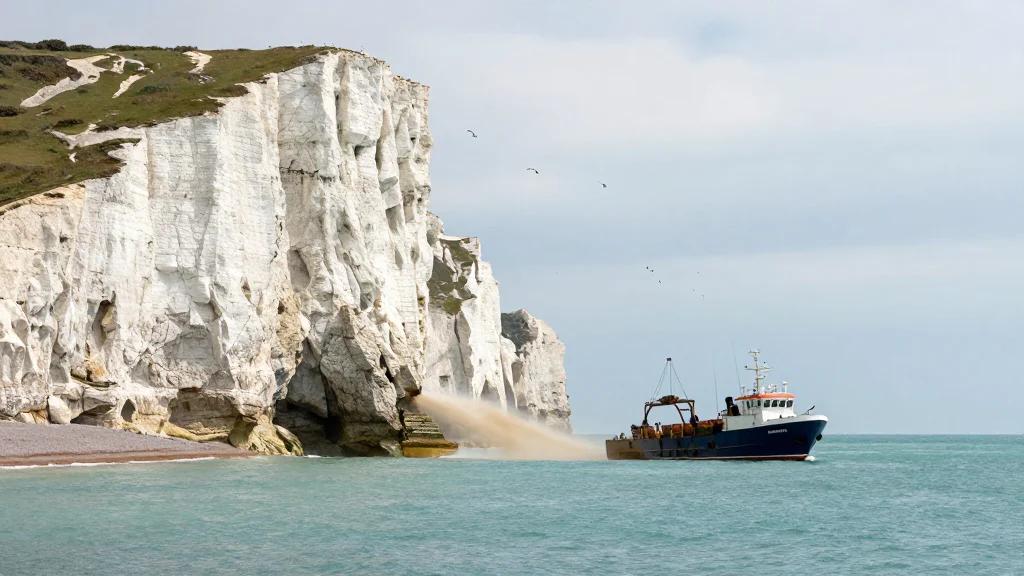
Over 6,000 Oppose Brighton Marina Sediment Dump in Beachy Head Marine Zone

Why It Matters
The dispute underscores a growing tension between commercial maritime operations and marine conservation in the UK. As coastal economies rely on both tourism and shipping, decisions about sediment disposal can affect biodiversity, local livelihoods, and the reputation of protected areas. A decisive ruling by the MMO could also shape how public consultations are weighted in environmental licensing, potentially empowering community groups to influence policy on a national scale.
Key Takeaways
- •Over 6,000 public objections recorded in the consultation
- •Premier Marinas seeks a one‑year interim dredging licence
- •MMO will publish all responses on a public register
- •The zone hosts rare short‑snouted seahorses and sensitive habitats
- •Potential impact on coastal recreation and future licensing precedents
Pulse Analysis
The Brighton Marina case illustrates how localized environmental issues can quickly become flashpoints for broader policy debates. Historically, UK ports have relied on dredging to maintain navigable waterways, but increasing public awareness of marine ecosystems has shifted the calculus. The MMO's upcoming decision will test the robustness of the current licensing framework, which emphasizes scientific assessment but also must accommodate community sentiment.
If the licence is approved, Premier Marinas may argue that the regulated disposal mitigates ecological risk, setting a benchmark for other ports seeking similar approvals. However, a rejection would signal that public opposition can translate into tangible regulatory outcomes, encouraging NGOs to mobilise more aggressively in future consultations. The outcome will likely influence how coastal developers approach environmental impact assessments, potentially prompting earlier engagement with stakeholders to avoid costly delays.
In the longer term, the case could catalyse a re‑evaluation of sediment management strategies, such as exploring on‑shore treatment or alternative disposal methods. As climate change intensifies coastal erosion and sea‑level rise, the pressure on marine zones will increase, making the balance struck here a reference point for policymakers navigating the intersection of economic activity and marine stewardship.
Over 6,000 Oppose Brighton Marina Sediment Dump in Beachy Head Marine Zone
Comments
Want to join the conversation?
Loading comments...