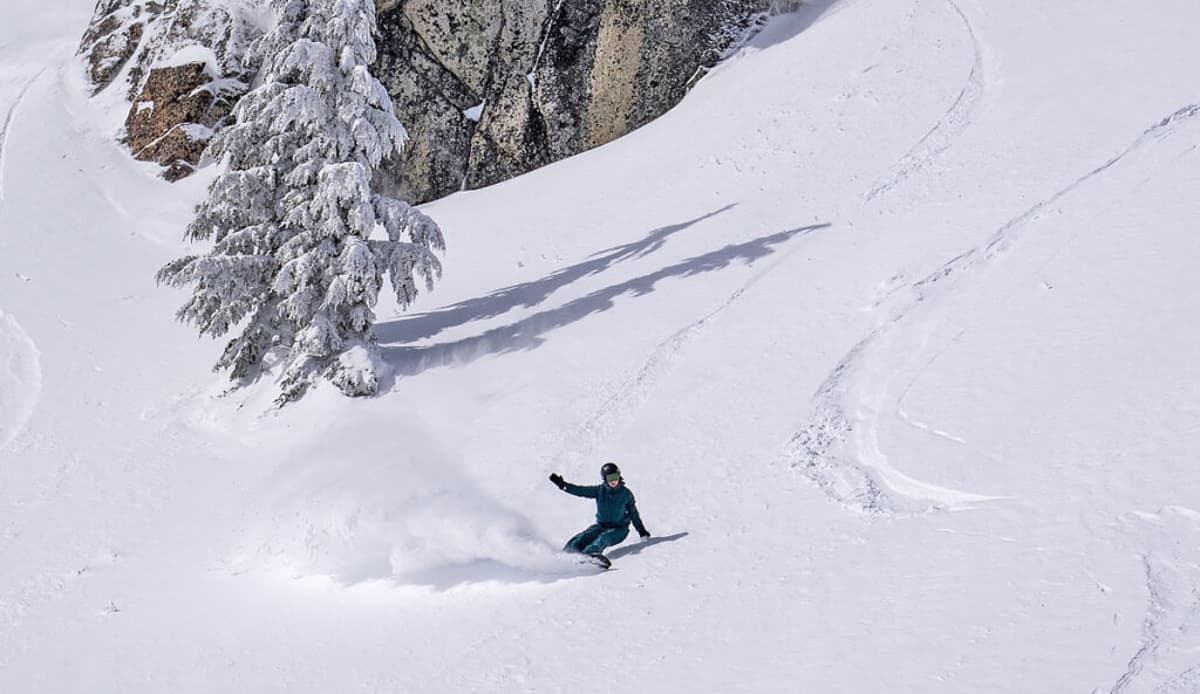
Palisades Tahoe Will Push Out Closing Date Thanks to April Storms
Why It Matters
Extending the ski season boosts local tourism revenue and highlights how volatile weather can reshape operating windows, affecting the regional winter‑sports economy.
Key Takeaways
- •11 inches of new snow pushes Palisades Tahoe season into May
- •April snowfall reached 81 inches, far exceeding typical totals
- •Resort remains open alongside Mammoth Mountain, the only California ski spots
- •No fixed closing date; operations depend on weather conditions
Pulse Analysis
The unexpected April snowstorm that dumped 11 inches on Palisades Tahoe underscores how quickly weather patterns can reverse in the Sierra Nevada. After a dry, warm March that prompted an early April closure forecast, a series of low‑pressure systems delivered a cumulative 81 inches of snowfall in April alone, raising elevations above 7,000 feet to fresh powder conditions. This late‑season precipitation not only revitalized the mountain’s terrain but also illustrates the growing volatility that ski areas must monitor as climate change reshapes seasonal norms.
For the Lake Tahoe region, extending the ski season translates directly into additional revenue for hotels, restaurants, and ancillary services that rely on winter tourism. Each extra week of lift operation can generate tens of thousands of dollars in ticket sales, while lift‑ticket holders spend on lodging, dining, and equipment rentals, bolstering the local economy during a period that would otherwise see a downturn. The resort’s decision to stay open also preserves seasonal jobs, providing staff with continued wages and reducing the typical post‑season layoffs that affect many mountain communities.
Palisades Tahoe’s flexible closing strategy mirrors a broader industry trend where resorts are leveraging real‑time weather data to adjust operating windows. By keeping lifts running as long as conditions are safe, resorts can capture late‑season demand and improve profitability without compromising safety. However, reliance on unpredictable snowfall also raises operational challenges, such as staffing, snowmaking costs, and liability considerations. As climate patterns continue to evolve, ski operators that can swiftly adapt their calendars may gain a competitive edge in a shrinking winter sports market.
Palisades Tahoe Will Push Out Closing Date Thanks to April Storms
Comments
Want to join the conversation?
Loading comments...