
Why It Matters
The rescue underscores the delicate balance between adventurous outdoor pursuits and public safety. Paragliding, while popular for its freedom and low environmental impact, carries unique hazards that require robust emergency frameworks. This incident demonstrates how coordinated efforts between police, mountain rescue, and the public can swiftly resolve potentially life‑threatening situations, reinforcing the need for clear communication channels and community awareness in outdoor recreation. Moreover, the episode may prompt regional authorities and sport clubs to revisit safety guidelines, invest in better tracking technology, and educate participants on risk mitigation. As outdoor activities rebound post‑pandemic, ensuring that rescue services are prepared for aerial incidents will be critical to sustaining public confidence in adventure sports.
Key Takeaways
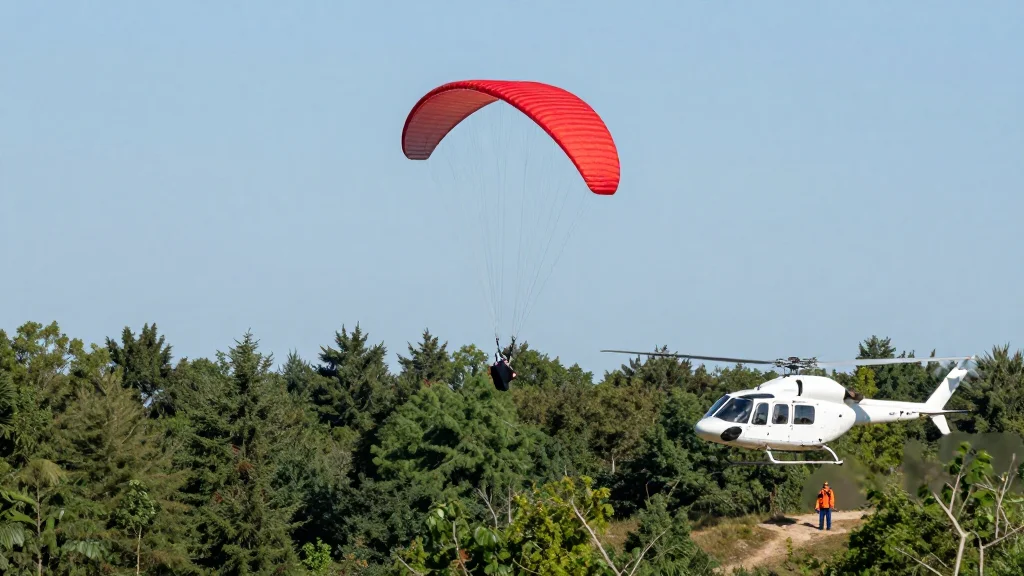
- •Paraglider in difficulty over Crich Lane Woods near Belper on April 24 was located safe after a coordinated police and mountain rescue search.
- •Police statement confirmed the pilot identified themselves following a public appeal.
- •Authorities requested CCTV and dash‑cam footage to aid the investigation but warned against unsupervised public searches.
- •The incident highlights safety challenges in paragliding, especially in wooded terrain with variable wind conditions.
- •Officials plan to review protocols and improve public guidance for future aerial‑sport emergencies.
Pulse Analysis
The Belper paraglider rescue illustrates a growing trend: as outdoor adventure sports regain momentum, local emergency services are increasingly called upon to manage specialized incidents. Historically, mountain rescue teams have focused on hikers and climbers, but the rise of aerial sports like paragliding and paramotoring expands their operational scope. This diversification demands additional training, equipment, and inter‑agency coordination, which Derbyshire Constabulary demonstrated effectively.
From a risk‑management perspective, the incident reinforces the value of community reporting mechanisms. The rapid identification of the pilot by a member of the public shows how digital platforms and local networks can augment official response capabilities. However, the police spokesperson's caution against amateur searches highlights a persistent tension: encouraging public vigilance without compromising professional operations. Future policy may need to formalize volunteer involvement, perhaps through certified citizen responder programs, to harness goodwill while preserving operational integrity.
Looking ahead, the episode could catalyze stricter safety standards for paragliding clubs in the UK, such as mandatory GPS trackers or real‑time flight monitoring. As the outdoor sector continues to grow, regulators and sport associations will likely collaborate with emergency services to develop comprehensive safety frameworks that protect participants and streamline rescue efforts. The Belper case serves as both a cautionary tale and a blueprint for effective, community‑supported emergency response in the evolving landscape of outdoor recreation.
Paraglider Rescued After Difficulty Over Belper Woods
Comments
Want to join the conversation?
Loading comments...