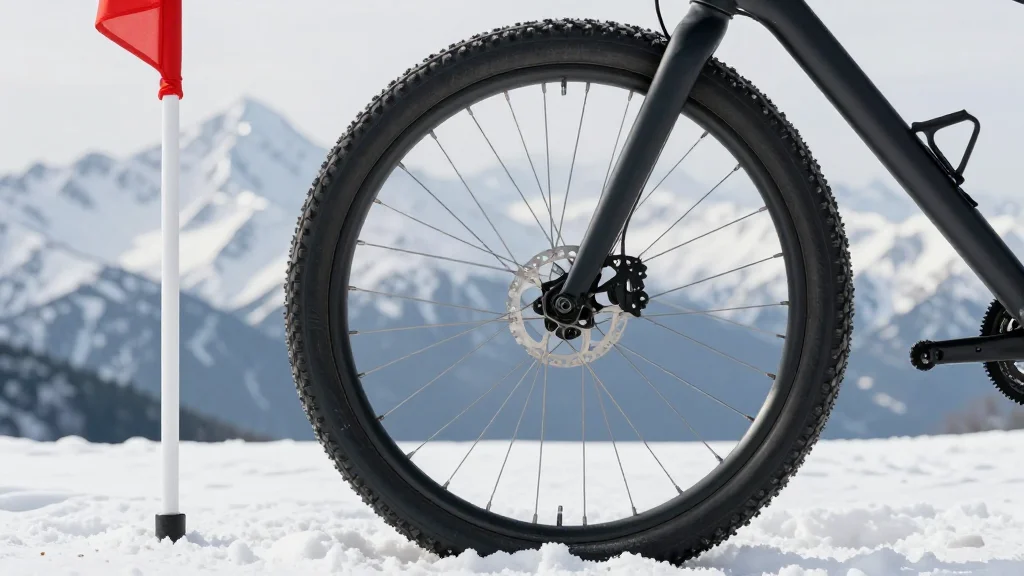
Paralysed Ex‑Serviceman Hand‑Cycles 435‑Mile Trek to Everest Base Camp

Why It Matters
Thorn's hand‑cycle ascent spotlights the growing intersection of adaptive sport and extreme adventure, proving that high‑altitude expeditions are no longer the exclusive domain of able‑bodied climbers. By raising significant funds for spinal‑cord research, the trek also illustrates how personal challenges can translate into public health benefits, encouraging donors to support medical breakthroughs tied to compelling human‑interest stories. Moreover, the expedition may catalyse new product development in hand‑cycle engineering, prompting manufacturers to design gear capable of withstanding harsh mountain conditions, thereby expanding accessibility for disabled athletes worldwide. The broader cultural impact lies in reshaping narratives around disability. Thorn’s remarks about re‑examining his own biases and the praise from peers underscore a shift toward viewing disability as a facet of identity rather than a limitation. As media coverage of such feats grows, public perception is likely to evolve, fostering greater inclusion in outdoor recreation, tourism, and related industries.
Key Takeaways
- •Ollie Thorn hand‑cycled 435 miles to Everest Base Camp, the first known ascent by hand‑cycle.
- •The expedition raised about £35,000 (≈ $44,500) for Wings for Life spinal‑cord research.
- •Thorn powered the bike with his shoulders, chest and arms, navigating altitudes up to 5,200 m.
- •Quotes from Thorn and Perry Redgrave highlight personal insight and the importance of adaptive sport.
- •The trek may spur innovation in hand‑cycle technology and broaden adaptive adventure tourism.
Pulse Analysis
Thorn’s achievement arrives at a moment when adaptive outdoor pursuits are gaining commercial traction. Companies like Trek and Specialized have already introduced hand‑cycle models for urban use, but few have been engineered for extreme altitude. Thorn’s success provides a real‑world test case that could accelerate R&D investment, especially as sponsors seek authentic stories that align with corporate social responsibility goals. Historically, milestones such as the first wheelchair‑bound climber on Kilimanjaro opened doors for equipment manufacturers; Thorn’s Everest Base Camp hand‑cycle could have a similar ripple effect, prompting a niche market for ultra‑light, durable frames and oxygen‑efficient gearing.
From a fundraising perspective, the expedition demonstrates the power of narrative‑driven philanthropy. By tying a personal, high‑risk adventure to a specific medical cause, Thorn tapped into donor empathy in a way that traditional campaigns often miss. This model may inspire other athletes to embed charitable components into their expeditions, creating a virtuous cycle of visibility and funding for research. As media outlets increasingly spotlight adaptive achievements, we can expect a rise in sponsorships that blend brand exposure with social impact, reshaping the economics of extreme sports.
Looking ahead, the key question is scalability. Can the hand‑cycle model be replicated for other high‑altitude routes, or is Thorn’s success an outlier driven by his military training and personal resources? If manufacturers respond with more affordable, expedition‑grade hand‑cycles, we could see a democratization of high‑altitude adventure for disabled athletes, expanding the market and reinforcing the narrative that disability does not preclude extraordinary feats.
Paralysed Ex‑Serviceman Hand‑Cycles 435‑Mile Trek to Everest Base Camp
Comments
Want to join the conversation?
Loading comments...