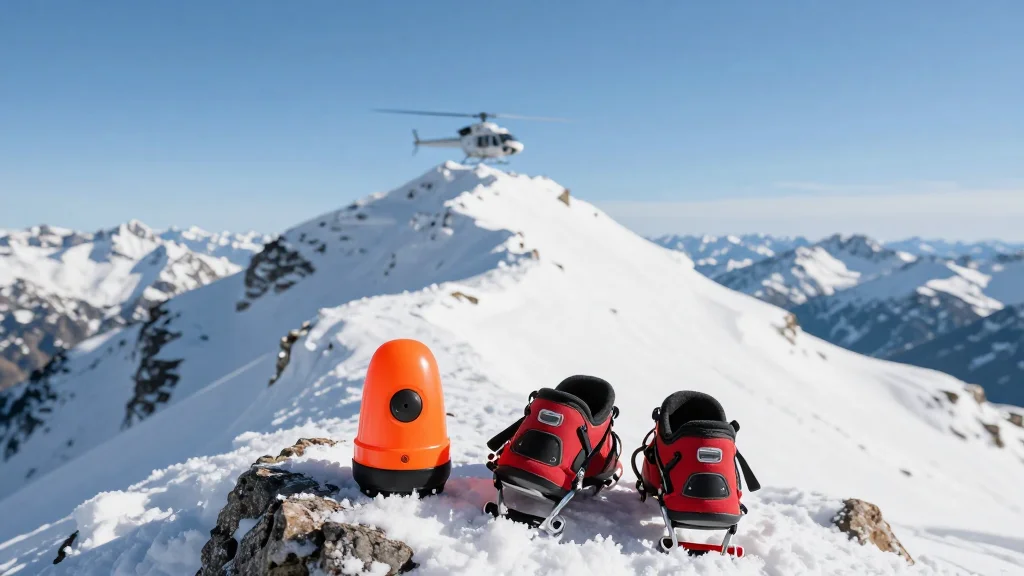
Parks Canada Issues Spring Safety Warning as Rocky Mountain Trails Remain Icy

Why It Matters
The advisory underscores a growing tension between the booming spring tourism market and the persistent winter hazards that linger in high‑altitude terrain. As more outdoor enthusiasts seek early‑season hikes to avoid summer crowds, the risk of accidents rises, placing strain on rescue resources and highlighting the need for better public education on backcountry safety. Failure to heed these warnings could lead to increased fatalities, higher rescue costs, and potential restrictions on trail access, affecting both local economies and the broader outdoor recreation industry. Moreover, the situation reflects climate variability that is altering traditional seasonal patterns. While lower elevations warm rapidly, higher slopes retain snow longer, creating a mismatch between visitor expectations and on‑ground realities. This disconnect may drive policy changes, such as stricter permit requirements or mandatory safety briefings for high‑risk trails, reshaping how the Rockies are experienced in the coming years.
Key Takeaways
- •Parks Canada issued a spring safety advisory for Rocky Mountain trails on Wednesday.
- •Four rescues were reported in April, including a helicopter sling rescue and a snowmobile extraction.
- •Visitor safety specialist Brian Morgan warned of lingering snow and avalanche hazards above valley bottoms.
- •Popular summer trails like Lake Agnes, Big Beehive, and Plain of Six Glaciers remain unsafe without proper gear.
- •The agency will increase patrols and issue daily snowpack updates throughout the high‑risk period.
Pulse Analysis
The recent string of rescues in Banff highlights a classic case of demand outpacing preparedness. Spring sees a surge in hikers eager to capitalize on milder weather, yet the high‑altitude environment has not transitioned to summer conditions. This mismatch creates a perfect storm for accidents, especially among visitors who lack winter backcountry experience. Parks Canada’s advisory is a reactive measure, but proactive strategies—such as mandatory safety briefings at trailheads or a tiered permit system for high‑risk routes—could mitigate risk more effectively.
Historically, avalanche fatalities in the Canadian Rockies have peaked during early and late season windows when snowpack is unstable. The current near‑record snowpack amplifies that risk, suggesting that the 2026 season could see a higher-than-average incident rate if visitor behavior does not adjust. Operators in the tourism sector may need to recalibrate marketing messages, emphasizing safety over sheer access, to protect both their clientele and brand reputation.
Looking forward, the integration of real‑time snowpack monitoring with mobile alerts could bridge the information gap that currently leaves hikers unaware of evolving conditions. Partnerships between Parks Canada, local guide services, and technology firms could deliver location‑specific warnings, reducing reliance on generic advisories. If such innovations are adopted, the Rockies could set a new standard for balancing outdoor recreation growth with safety in a changing climate.
Parks Canada Issues Spring Safety Warning as Rocky Mountain Trails Remain Icy
Comments
Want to join the conversation?
Loading comments...